

More news on this day
Fresh analysis of online reviews and recent travel commentary is reshaping how visitors see some of the United States’ most iconic attractions, suggesting that time-pressed travelers may be better off skipping several headline sights in favor of nearby experiences that feel more authentic and less congested.
Get the latest news straight to your inbox!
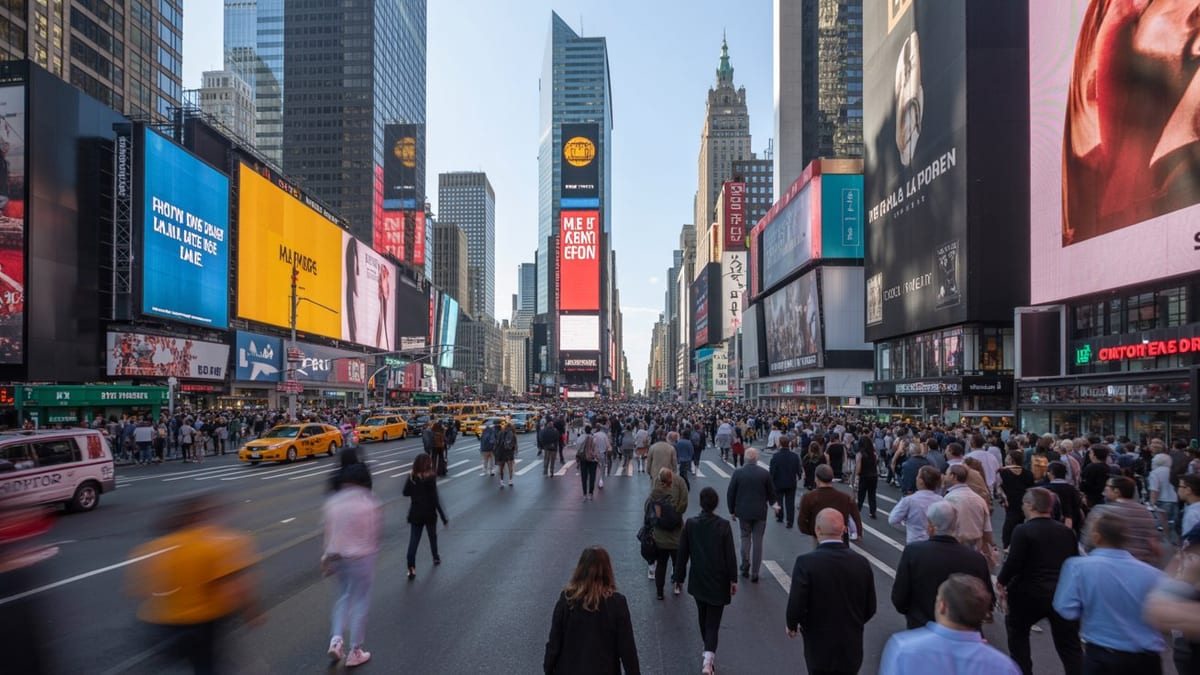
Image by Travel And Tour World
When the Iconic View Comes With Sticker Shock
Lists of America’s biggest tourist traps released in 2025 put several famous skyline viewpoints under scrutiny, highlighting how high prices and long waits can erode the appeal of an otherwise memorable panorama. A review-based ranking compiled from millions of traveler comments identified Seattle’s Space Needle as one of the country’s most frequently labelled “overpriced” and “overrated” attractions, reflecting frustration with ticket costs that can exceed many museum admissions combined and extra fees for priority access.
Observers note that paying premium prices for a short elevator ride and a brief stay on a crowded deck often leaves visitors feeling they have spent more time in queues than enjoying the view. Similar complaints surface around glass-skydeck experiences in Chicago and New York, where advance reservations and dynamic pricing have become standard. The pattern points to a broader trend in which observation towers function less as civic landmarks and more as high-margin visitor products.
Travel analysts and local guides increasingly recommend redirecting visitors toward public viewpoints that offer skyline vistas without the same financial and time burden. In Seattle, popular alternatives include city parks and waterfront neighborhoods where the Space Needle appears in the view rather than beneath one’s feet. In New York, promenades along the East River and Brooklyn’s DUMBO area provide free, open-air perspectives on the Midtown and Lower Manhattan skylines that many travelers describe as more relaxed and photogenic.
Urban planners say these lesser-known vantage points do more than save money. They often route visitors through residential districts, independent cafés and small cultural institutions that rarely appear on package itineraries but help keep tourism spending circulating in local economies.
Times Square Fatigue and the Search for a More Authentic New York
Times Square remains one of the most visited places in the United States, yet surveys of New York City residents and visitors repeatedly name it among the city’s least-loved spaces. Reports describe a dense concentration of chain restaurants, aggressive costumed characters and souvenir stalls, along with digital billboards so bright that locals liken the area to a permanent advertising showroom rather than a functioning neighborhood.
Recent guide coverage urges visitors to treat Times Square as a quick visual stop instead of the centerpiece of a trip. Commentators point to recurring complaints about inflated restaurant prices and ticketed experiences that deliver little substance beyond photo opportunities. Some travel writers argue that allocating an evening to wandering Midtown’s commercial corridor often comes at the expense of exploring the city’s cultural districts, food scenes and waterfronts.
Alternatives within a short subway ride offer a different version of New York. Neighborhoods on the Lower East Side and in Brooklyn’s DUMBO district feature historic streetscapes, independent galleries and small venues that showcase the city’s music and comedy scenes. Publicly available information on these districts highlights how former warehouse blocks have been converted into mixed-use areas where residents and visitors share bars, bookstores and performance spaces.
Several New York-focused travel guides now advise first-time visitors to reserve more time for these neighborhoods, as well as for smaller museums and community food markets, positioning Times Square as an optional detour rather than a mandatory stop. Advocates of this approach say it helps spread visitor traffic more evenly across the city while giving travelers a fuller sense of everyday life beyond the billboards.
Waterfront “Traps” and Working Harbors
Waterfront promenades consistently rank among the most criticized attractions in US tourism research, particularly where historic harbors have been heavily rebuilt as themed shopping and dining districts. A widely cited 2023 analysis of review platforms pointed to San Francisco’s Fisherman’s Wharf as an example, noting that a high proportion of visitors described the area as overcrowded, expensive and dominated by souvenir outlets rather than working fishing infrastructure.
Similar concerns surface in coverage of other redeveloped piers and seaports, where cruise traffic and motorized sightseeing tours have intensified congestion. Reports indicate that visitors often encounter chain eateries and ticket booths instead of the maritime culture they expected, leading to disappointment and shorter stays. In some cities, local commentators have expressed unease that such waterfronts no longer serve residents and instead function almost entirely as transit points for tour buses and day trips.
Travel experts frequently recommend alternative ways to experience US coastal cities that focus on neighborhoods just beyond the main wharf zones. In San Francisco, areas such as North Beach and the Ferry Building marketplace are highlighted for independent food businesses and views of the bay that do not require paid attractions. On the East Coast, historic districts in Boston and Philadelphia encourage visitors to combine waterfront walks with visits to markets and museums that maintain stronger ties to regional commerce and maritime history.
City tourism strategies increasingly emphasize dispersing crowds along longer waterfront greenways and into adjacent residential districts, where walking and cycling routes connect parks, public art and small-scale piers. Analysts suggest that this shift could relieve pressure on the most heavily trafficked wharves while broadening the range of experiences available to both first-time and repeat visitors.
Overcrowded Nature: When National Park Fame Backfires
The United States’ national parks, long promoted as escapes from urban stress, are now grappling with their own kind of overcrowding. Federal data and policy documents note record visitation in several flagship parks in recent years, prompting concerns about trail erosion, wildlife disturbance and emergency response capacity. According to park management materials, popular routes such as Angels Landing in Zion National Park have required permit systems to cap daily hiker numbers after years of congestion on narrow sections and documented accidents.
Publicly available information from the Department of the Interior describes overcrowding as a system-wide challenge and outlines efforts to use timed-entry reservations, shuttle systems and communication campaigns to spread visits across seasons and lesser-known areas. While these measures aim to protect fragile environments, they also underscore how a handful of famous viewpoints and hikes can concentrate demand to a degree that undermines the solitude and spontaneity many visitors seek.
Outdoor organizations and seasoned hikers increasingly promote alternative itineraries that focus on quieter corners of well-known parks or on nearby public lands that receive far less attention. In Utah, for example, travel guides highlight rim trails and canyon overlooks beyond the most publicized routes, as well as state parks that offer similar rock formations with more flexible access. In California, writers encourage visitors to balance marquee sights in Yosemite with less crowded trails in adjacent national forests and smaller parks in the Sierra Nevada.
This rebalancing approach is gaining traction among destination marketers, who frame “second-tier” parks and lesser-known trails as ways to preserve both visitor experience and ecological integrity. Analysts say that if travelers continue to diversify their choices, heavily trafficked landmarks could see lower peak volumes, giving restoration projects a better chance of success.
Rewriting the American Bucket List
Across recent rankings of overrated US attractions, a common theme emerges: disappointment often stems less from the inherent qualities of a place and more from mismatched expectations, commercial saturation and crowd management challenges. Iconic sites remain significant symbols in the national imagination, but visitor feedback suggests they no longer need to anchor every itinerary, especially for travelers with limited time or tight budgets.
In response, tourism boards, local governments and independent publishers have begun to spotlight “alternative bucket lists” that prioritize neighborhood-level culture, smaller museums and outdoor spaces beyond the main postcard views. These campaigns often stress that skipping a headline attraction does not mean missing out on a destination, but rather engaging with it through food markets, community festivals, regional transit lines and public parks that shape daily life for residents.
Travel analysts see this shift as part of a broader move toward what is sometimes called “low-key” or “second-city” tourism, in which visitors deliberately choose smaller cities or lesser-known districts within major metros to avoid crowds. Within the United States, this can mean pivoting from Miami’s busiest beaches to quieter coastal towns, or from the most photographed Las Vegas Strip landmarks to nearby desert conservation areas and art installations.
For travelers, the emerging guidance is less about banning certain attractions and more about recalibrating priorities. Reports encourage visitors to evaluate what they value most, whether that is architectural icons, local food, live performance or time in nature, and to plan accordingly. With more information now available about where expectations and reality often diverge, would-be visitors have greater opportunity to design trips that feel more personal, less stressful and better aligned with the places they hope to experience.