

More news on this day
P&O Cruises is positioning its mid-sized ship Aurora as a gateway to both big-name capitals and lesser-known ports with a 19-night Western Mediterranean program that strings together Iberian, North African and Italian calls in spring and summer 2026.
Get the latest news straight to your inbox!
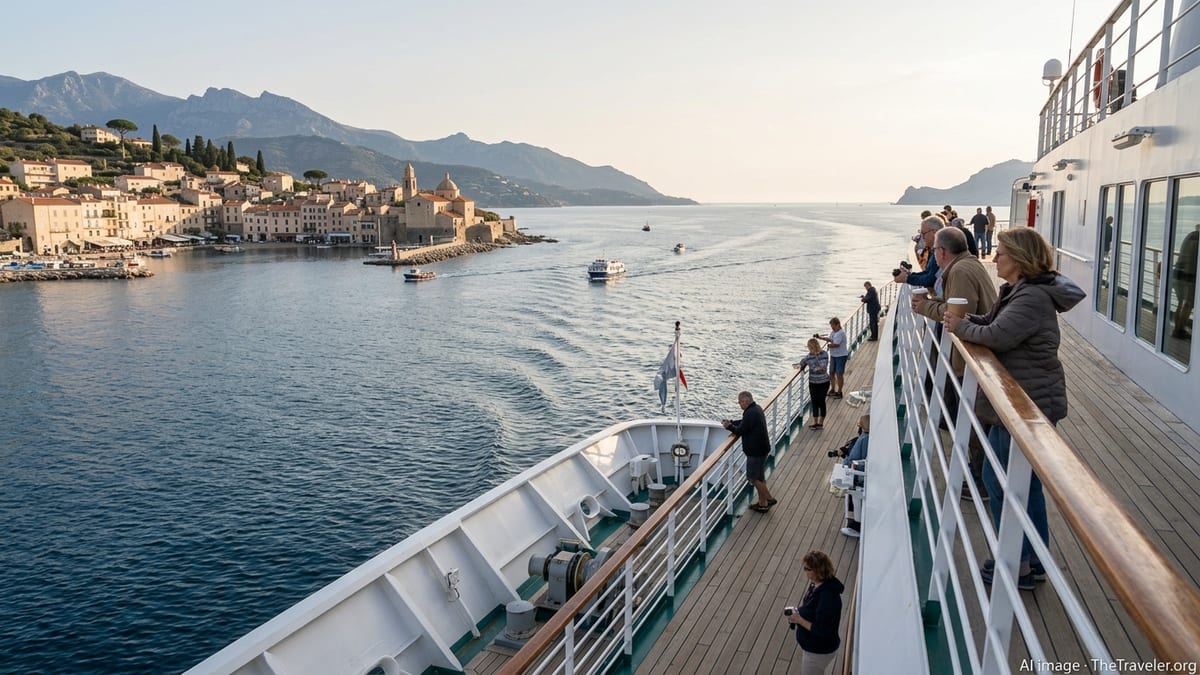
Aurora’s 19-Night Western Mediterranean Concept
The 19-night Western Mediterranean sailings on Aurora build on patterns seen in earlier seasons, when the ship operated similar-length itineraries from Southampton featuring a mix of Spanish, North African and central Mediterranean ports. Publicly available brochures for summer 2026 indicate that Aurora will again be used on longer ex-UK cruises designed to reach major capitals while still including smaller coastal cities often missed on shorter voyages.
One of the latest published collections for 2026 shows Aurora deployed on extended Mediterranean journeys that fold in classic city gateways such as Rome and Lisbon alongside lower-profile stops in southern Spain and Corsica. Industry itinerary summaries describe these sailings as “Western Mediterranean discovery” style cruises, reflecting an emphasis on contrast between headline cities and quieter harbors.
While precise line-up and port order can vary by departure date, the core proposition remains consistent. Guests embark in Southampton and travel deep into the Mediterranean before looping back through the Strait of Gibraltar, effectively tracing a wide arc that links the Atlantic fringe of Europe with the heart of the central Mediterranean.
Retailers and specialist cruise agencies note that these longer Aurora voyages appeal to travelers who prefer to sail from the UK rather than fly to a turnaround port, yet still want enough sea days and port density to feel like a full Mediterranean immersion.
From Atlantic Gateways to Iberian Culture Hubs
Western Mediterranean itineraries on Aurora typically start by steering south from Southampton toward Spain and Portugal, with ports such as La Coruña and Lisbon acting as the first stepping stones into warmer waters. Past 19-night Western Mediterranean cruises on the ship have featured La Coruña as an early call, offering access to the historic heart of Galicia and its ocean-facing promenades.
Lisbon commonly appears toward either the outbound or inbound leg of these cruises, providing one of the itinerary’s key capital-city experiences. Travel trade descriptions highlight the Portuguese capital’s mix of hilltop viewpoints, tram-lined streets and waterfront redevelopment zones, which together give passengers a full day’s worth of sightseeing within a short distance of the cruise pier.
Beyond these larger gateways, similar itineraries in recent seasons have woven in ports such as Vigo or Leixões, the latter serving as the entry point for Porto. These calls extend the cultural arc of the voyage, adding wine regions and medieval old towns to a schedule that might otherwise be dominated by bigger urban centers.
Because itineraries are marketed well in advance, booking platforms routinely caution that port orders or individual calls can be adjusted for operational reasons. However, the emphasis on pairing a few Atlantic-facing cities with more southerly Mediterranean calls has remained a defining feature of Aurora’s longer Western runs.
Exploring Mediterranean Capitals and Italian Gateways
The heart of the 19-night experience lies in the central Mediterranean, where itineraries have been built around Italy’s famed coastal gateways and the capital city of Rome. Previous Western Mediterranean programs on Aurora have included Valletta in Malta as well as Messina and Salerno, which act as springboards to Sicily and the Amalfi Coast.
Rome itself is reached via the busy port of Civitavecchia, a standard call on many of P&O Cruises’ Mediterranean sailings. Trade descriptions emphasize that passengers typically have a long day in port to reach the Italian capital, giving time to take in landmarks and historic districts before returning to the ship. For many guests, this Rome call is positioned as the marquee “capital” moment of the itinerary.
In addition to these flagship stops, Western sailings on Aurora often include a call in Ajaccio on Corsica, which combines French island culture with Napoleonic heritage and mountainous scenery visible from the harbor. The inclusion of Corsica underscores the itinerary’s balance between capitals and islands, adding visual variety as the voyage shifts between continental and insular ports.
Published coverage of P&O’s deployment plans for 2026 indicates that these Italian and Maltese calls remain central to the brand’s Western Mediterranean strategy, especially on longer sailings where a single round-trip from Southampton needs to reach as far east as Rome before returning to the UK.
Hidden Gems: Tangier, Alicante and Coastal Connectors
Alongside the better-known capitals, Aurora’s Western Mediterranean schedules highlight a set of smaller ports that function as the cruise’s “hidden gems.” Among them is Tangier in northern Morocco, which has featured on recent and upcoming itineraries as a gateway to North African culture within reach of the Strait of Gibraltar. Destination write-ups circulated by cruise agencies point to Tangier’s historic medina and hillside setting as a contrast to the European stops that bookend the voyage.
On the Iberian side, calls such as Alicante on Spain’s Costa Blanca add a more relaxed coastal ambience, with beach promenades and fortresses overshadowing a city center that remains less crowded than some of the region’s larger resort hubs. When combined with ports like Cartagena or Cádiz on other Aurora routes, these calls create a chain of medium-sized cities that feel distinct from the capital experiences in Rome or Lisbon.
Another recurring feature on extended Western itineraries is Gibraltar, where the ship docks in the shadow of the Rock at the entrance to the Mediterranean. Although compact, the territory offers a blend of British and Iberian influences and has long been used by cruise lines as a strategic final or penultimate stop before ships re-enter the Atlantic and turn north for home.
These smaller ports collectively underpin the “discovery” positioning of Aurora’s 19-night sailings. They ensure that passengers encounter local street life, regional cuisines and coastal landscapes that might not fit into a shorter, capital-focused cruise, while still remaining within a broadly Western Mediterranean framework.
Aurora’s Onboard Experience for Longer Voyages
Aurora itself is a key part of the draw for these extended Mediterranean journeys. Public sources describe the ship as one of the more traditional vessels in the P&O Cruises fleet, launched in 2000 and updated in recent years with refreshed public spaces and cabins. Its mid-sized capacity positions it between the largest resort-style ships and smaller boutique vessels, which can appeal to travelers seeking a quieter onboard environment for nearly three weeks at sea.
Entertainment line-ups cited in independent ship reviews note that Aurora typically offers a theatre-based program of production shows supplemented by live music, quizzes and themed evenings in lounges and bars. On a 19-night itinerary, this variety becomes particularly important, giving passengers options on sea days and after long port calls.
The ship’s layout, featuring wraparound promenade areas and traditional deck spaces, is frequently highlighted in travel commentary as a benefit on scenic approaches to ports such as Lisbon or Valletta. Extended cruises through the Western Mediterranean provide multiple opportunities for sail-in and sail-out viewing, including transits of the Strait of Gibraltar and evening departures from island harbors.
For repeat guests, the combination of a familiar ship and a slightly different port mix each season is part of the appeal. With itineraries published well ahead of departure and clearly flagged as subject to change if operational needs arise, Aurora’s 19-night Western Mediterranean program for 2026 is being positioned as a way to reconnect with classic European capitals while adding new coastal discoveries along the way.