

More news on this day
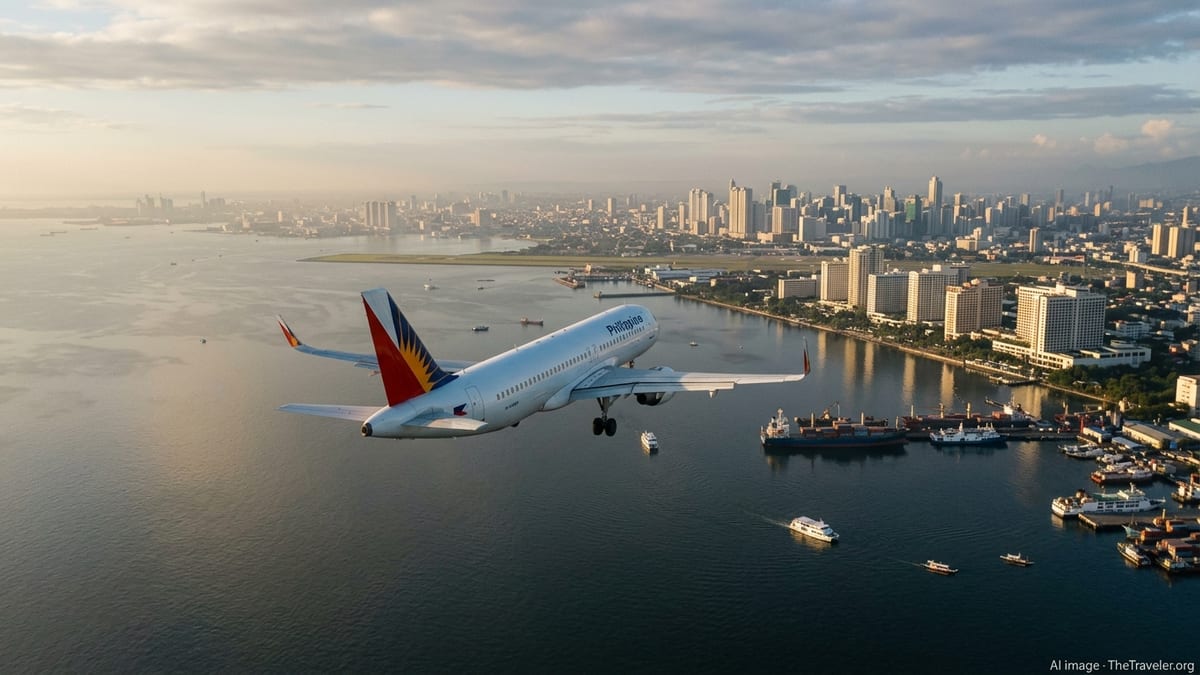
Philippine Airlines has moved to reassure travelers and tourism partners that it has secured enough jet fuel to sustain flights for the foreseeable future, offering a rare point of stability for Asia Pacific travel as the Philippines grapples with a nationwide energy squeeze and surging oil prices linked to the conflict in the Middle East.
Get the latest news straight to your inbox!
Fuel Security Pledge Amid a National Energy Squeeze
The flag carrier’s latest statement, issued on March 25, underlines that it has locked in sufficient jet fuel supplies to maintain both domestic and international schedules, including long-haul routes. The assurance comes as concerns mount over the Philippines’ overall fuel reserves, with public discourse increasingly focused on the risk of transport disruption if new shipments are delayed.
Analysts have warned in recent weeks that elevated jet fuel prices and tight supply could quickly erode airline profitability in the Philippines, especially if oil remains well above levels airlines had built into their budgets. Industry commentary in local business media has pointed out that carriers such as Philippine Airlines and Cebu Pacific are particularly exposed, given the country’s dependence on imported fuel and sensitivity to global price swings.
Reports indicate that the wider airline sector is already adjusting to the spike in costs. Regulatory filings and public notices show that Philippine authorities have allowed an increase in fuel surcharges for tickets booked in early April, signaling that airlines are passing through at least part of the burden to travelers. Against this backdrop, Philippine Airlines’ declaration that it has secured its own fuel needs stands out as an attempt to separate supply security from price volatility.
The move also dovetails with longer-term industry trends. Prior to the current crisis, Philippine carriers and policymakers had been exploring more diversified and sustainable fuel options, including early steps toward local production of sustainable aviation fuel. While those initiatives remain at an early stage, they highlight a broader recognition that fuel vulnerability is both an economic and strategic risk for an archipelago that relies heavily on air connectivity.
Reassurance for South Korea, Japan and US Travel Corridors
The assurance is particularly significant for South Korea, Japan and the United States, which consistently rank among the Philippines’ largest tourism source markets. Department of Tourism data for recent years show that South Korea has held the top spot for foreign arrivals, with the United States and Japan also among the leading contributors to visitor numbers and tourism receipts.
These three markets are tightly linked to Philippine Airlines’ network strategy. The carrier operates key long-haul services between Manila and US gateways, as well as high-frequency regional routes to major hubs in South Korea and Japan. Any sustained disruption to these flights, whether from a lack of fuel or severe cost pressures, would have immediate spillover effects across hotel bookings, tour operators and connecting transport providers in the Philippines.
Publicly available tourism statistics indicate that arrivals from South Korea have softened over the past year, even as visitors from the United States and Japan have shown more resilience. That pattern has raised concerns among local tourism officials and private-sector stakeholders, since South Korea traditionally delivers high volumes of leisure travelers, while US and Japanese visitors are often associated with longer stays and higher per-capita spending.
By signaling that its aircraft will keep flying despite the energy crunch, Philippine Airlines effectively shores up confidence along these vital corridors. For potential visitors weighing whether to proceed with trips booked months in advance, the prospect of a stable national carrier reduces the perceived risk of late-stage cancellations or re-routing through alternative hubs.
Hotel and Resort Sector Finds Breathing Room
The hotel and resort industry in the Philippines has been closely watching the fuel situation, mindful of how quickly a disruption to air connectivity can cascade into lower occupancy and revenue. Many properties, especially in island destinations such as Cebu, Palawan and Boracay, rely heavily on direct or one-stop flights from South Korea, Japan and the United States to fill rooms in peak and shoulder seasons.
Industry commentary in local business press over the past year shows that hotels have already been navigating a patchy recovery, with strong demand from some markets but weaker-than-hoped numbers from others. Fluctuating arrivals from South Korea in particular have weighed on performance, even as Japanese and American visitors have helped stabilize overall figures.
Philippine Airlines’ confirmation that its schedules remain intact provides much-needed visibility for hotel operators planning staffing, inventory and pricing strategies for the coming months. With long-haul and key regional routes expected to operate normally, properties can more confidently honor group allotments, forward bookings and seasonal promotional campaigns targeting travelers from Seoul, Tokyo, Osaka, Los Angeles and other gateway cities.
Travel agencies and online platforms that bundle flights with accommodation likewise gain a measure of certainty. Package sellers catering to Korean and Japanese leisure travelers, as well as Filipino communities and repeat visitors based in the United States, can market Philippine stays without the added caveat of a potential fuel-related grounding of the national carrier.
Regional Tourism Flows and Competing Destinations
The timing of Philippine Airlines’ fuel assurance also matters in the broader regional context. Across Asia, tourism boards in South Korea, Japan and the United States track air capacity closely as they promote outbound travel to competing beach and city destinations in Southeast Asia, from Thailand and Vietnam to Indonesia and Malaysia.
Recent tourism trend reports highlight that Japanese and Korean travelers have resumed international trips, though patterns have shifted compared with pre-pandemic norms. Travelers are displaying heightened sensitivity to disruption risks, including sudden schedule changes or cancellations linked to geopolitical events and supply chain shocks. In that environment, the perceived reliability of airline operations can influence destination choice as much as price or marketing.
The Philippines has spent the last two years working to improve its competitive position, with initiatives such as streamlined entry rules for select passport holders and investments in airport upgrades. Official tourism roadmaps project steady growth in visitor arrivals and tourism employment through 2028, but those forecasts implicitly assume that carriers will be able to sustain adequate seat capacity into and out of the country.
Against that backdrop, Philippine Airlines’ message carries weight beyond national borders. It effectively tells outbound travelers in Seoul, Tokyo and US cities that, despite headlines about fuel shortages and higher surcharges, at least one major operator on the Manila route has ring-fenced its fuel needs. That could help the Philippines maintain its share of regional outbound travel even as neighboring countries compete aggressively for the same markets.
Longer-Term Questions on Cost and Sustainability
While the near-term assurance on fuel supply has been welcomed by the travel sector, questions remain about how higher energy costs will filter through to fares and, by extension, tourism demand. Regulatory notices confirm that fuel surcharges on tickets for flights to and from the Philippines will rise in early April, which could make some itineraries more expensive for price-sensitive travelers.
Industry analysts note that airlines can shield operations from immediate supply shocks by securing contracts or hedging against price swings, but these strategies do not eliminate underlying cost pressures. Over an extended period, sustained high fuel prices tend to prompt carriers to adjust route networks, reduce frequencies on marginal routes, or up-gauge aircraft to spread costs over more seats.
The current episode may also accelerate conversations around sustainable aviation fuel and energy diversification. Prior to the latest conflict-driven spike in oil prices, aviation stakeholders in the Philippines were already exploring how domestically produced sustainable fuels could eventually supplement imported jet fuel. Philippine Airlines has publicly aligned itself with global net-zero targets and has been recognized in regional industry coverage for its interest in cleaner operations.
For hotel owners, tourism boards and local governments in destinations that rely heavily on airlift from South Korea, Japan and the United States, these structural issues will be as important as short-term assurances. Philippine Airlines’ move to guarantee jet fuel for the foreseeable future buys the sector valuable time, but it also underscores how central fuel security and aviation resilience have become to the Philippines’ long-range tourism ambitions.