

More news on this day
Philippine Airlines has moved to reassure travelers and tourism stakeholders by confirming it has secured sufficient jet fuel supplies to sustain operations for the foreseeable future, easing concerns that rising energy prices and domestic fuel strains could disrupt flights linking the Philippines with major markets in South Korea, Japan and the United States.
Get the latest news straight to your inbox!
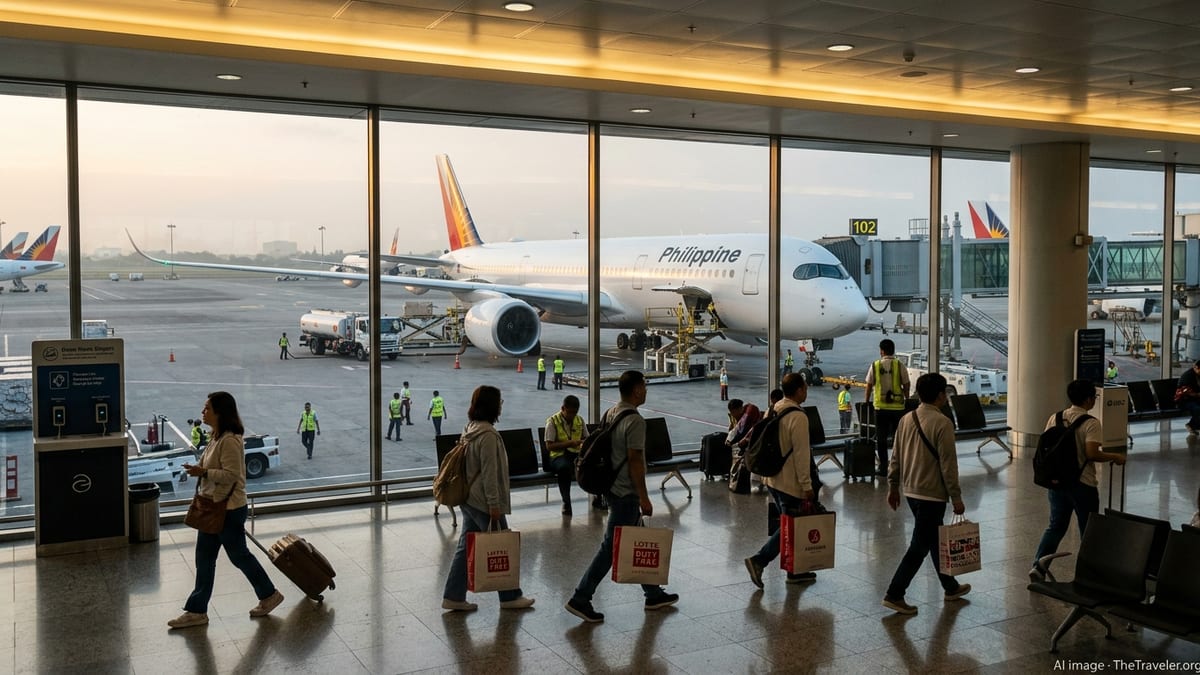
Fuel Security Pledge Amid Domestic Energy Strains
The carrier’s statement, issued on March 25, comes against the backdrop of a broader national energy squeeze, with motorists and industries in the Philippines grappling with higher fuel costs and periodic supply anxieties. Publicly available information shows that authorities have rolled out fuel relief measures and appealed for conservation in some sectors, heightening worries that airlines might eventually face shortages or be forced to trim schedules.
Philippine Airlines, however, said it has locked in enough jet fuel through its procurement and supply arrangements to keep both domestic and international flights running. Reports indicate that the commitment covers its full network, including long-haul services that are particularly fuel intensive. The assurance is aimed at calming speculation about potential cancellations or large-scale schedule cuts driven by fuel constraints rather than underlying demand.
Industry commentary in recent weeks had warned that Philippine carriers could see profitability eroded if jet fuel prices stayed elevated for an extended period. Yet the move to secure supply suggests that for PAL, the immediate priority is operational continuity on strategically important routes, even as it navigates cost pressures with tools such as fuel surcharges, hedging strategies and fleet modernization.
Key East Asia Corridors Kept Stable
For tourism partners in South Korea and Japan, PAL’s fuel security pledge is especially significant. The Philippines relies heavily on these two Northeast Asian markets for visitor arrivals, and air connectivity has been a central pillar of that relationship. Regular flights from Seoul and various Japanese cities into Manila and resort gateways such as Cebu and Bohol underpin package tours, group travel and repeat leisure visits.
Tour operators in these markets have been closely tracking developments in Philippine fuel supply, wary that any sign of disruption could force them to rework itineraries or shift capacity to other Southeast Asian destinations. According to recent tourism and aviation coverage, bookings for beach and diving holidays, golf trips and language-study programs remain robust, provided air links stay predictable and reasonably priced.
By signalling that flights will continue as scheduled, PAL reduces the risk of last-minute aircraft substitutions or outright cancellations on Korea and Japan routes tied specifically to fuel availability. The airline has also been in the process of bringing in more fuel-efficient narrowbody aircraft to serve regional services, a move that helps temper the impact of higher fuel costs per seat and supports the business case for maintaining frequencies.
Trans-Pacific Confidence Boost for US Travel
The assurance on jet fuel also resonates strongly across the Pacific, where the United States remains one of the Philippines’ most important long-haul markets for both tourism and visiting friends and relatives. PAL operates nonstop services from Manila to key US gateways, including West Coast cities and Hawaii, creating vital links for overseas Filipinos and American travelers heading to the archipelago’s resorts and cultural sites.
Trans-Pacific flights are among the most fuel-intensive in the airline’s network, and any doubts about fuel security can quickly translate into nervousness among travelers and travel agents. According to recent business and aviation reports, Philippine officials and tourism stakeholders have been counting on stable air connectivity with the US to sustain post-pandemic recovery momentum, especially as new hotels and integrated resorts open around Metro Manila and in secondary cities.
PAL’s confirmation that it has enough fuel to continue its long-haul operations provides a timely confidence boost. It signals to tour wholesalers, corporate travel planners and diaspora communities that current schedules are expected to hold, barring broader geopolitical or economic shocks. This stability is particularly important for high-value segments such as dual-destination itineraries that combine the Philippines with the mainland United States or Hawaii, which often involve complex ticketing and advance planning.
Hotels and Destinations Breathe Easier
The reassurance from PAL has been welcomed across the hospitality sector, which depends heavily on predictable air access. Industry analyses highlight that hotels in Manila, Cebu, Boracay, Palawan and other popular destinations are still working to lock in forward bookings from Korea, Japan and the US for the coming peak travel seasons. Any perception of unreliable air links can push travelers toward competing destinations in the region.
Publicly available market commentary indicates that Philippine hotels have already been managing higher operating costs, including energy and imported food items, while trying to keep room rates competitive. A sudden reduction in flight capacity caused by fuel shortages would risk lower occupancies just as the sector seeks to consolidate its recovery. PAL’s statement reduces that immediate risk and allows hoteliers to continue marketing packages built around existing flight timetables.
Destination management companies and local tour operators also stand to benefit. Many have committed to contracts with overseas partners based on current airline capacity, and large-scale schedule changes could trigger penalties or force them to absorb unexpected costs. A clearer outlook on fuel availability means they can focus on product diversification and service quality rather than contingency planning for widespread air disruption.
Balancing Cost Pressures and Long-Term Resilience
While PAL’s fuel supply position supports operational stability, the broader context remains challenging. Aviation analysts note that sustained high fuel prices, combined with a weaker local currency, can compress margins and eventually feed into higher fares. Philippine regulators recently allowed airlines to move fuel surcharges higher, and travelers booking flights in and out of the country have begun to see steeper add-on fees in their final ticket prices.
At the same time, PAL’s fleet investment strategy is designed to cushion the impact of volatile fuel markets over the longer term. The airline has been inducting new-generation widebody aircraft and preparing to receive additional fuel-efficient narrowbodies from 2026 onward. These jets consume less fuel per seat than older models, improving unit economics on both regional and long-haul routes.
Energy transition trends are also starting to shape the carrier’s planning. International reports on Asia’s aviation sector indicate that Philippine Airlines has joined regional peers in exploring sustainable aviation fuel and other decarbonisation measures, which may in time provide some insulation from conventional jet fuel shocks, even if supply and cost challenges remain in the near term.
For now, with the national conversation dominated by fuel prices and availability, PAL’s move to underline that its tanks will stay filled offers a measure of reassurance to travelers and to tourism industries in South Korea, Japan and the United States. The real test will lie in how effectively the airline and its partners can convert that operational certainty into sustained visitor growth amid a still-volatile global energy landscape.