

More news on this day
Palm Springs is rapidly evolving from desert getaway to diversified tourism hub, as new data on visitor spending, air connectivity and marquee events position the Coachella Valley alongside California’s biggest urban destinations in the race for high-value travelers.
Get the latest news straight to your inbox!
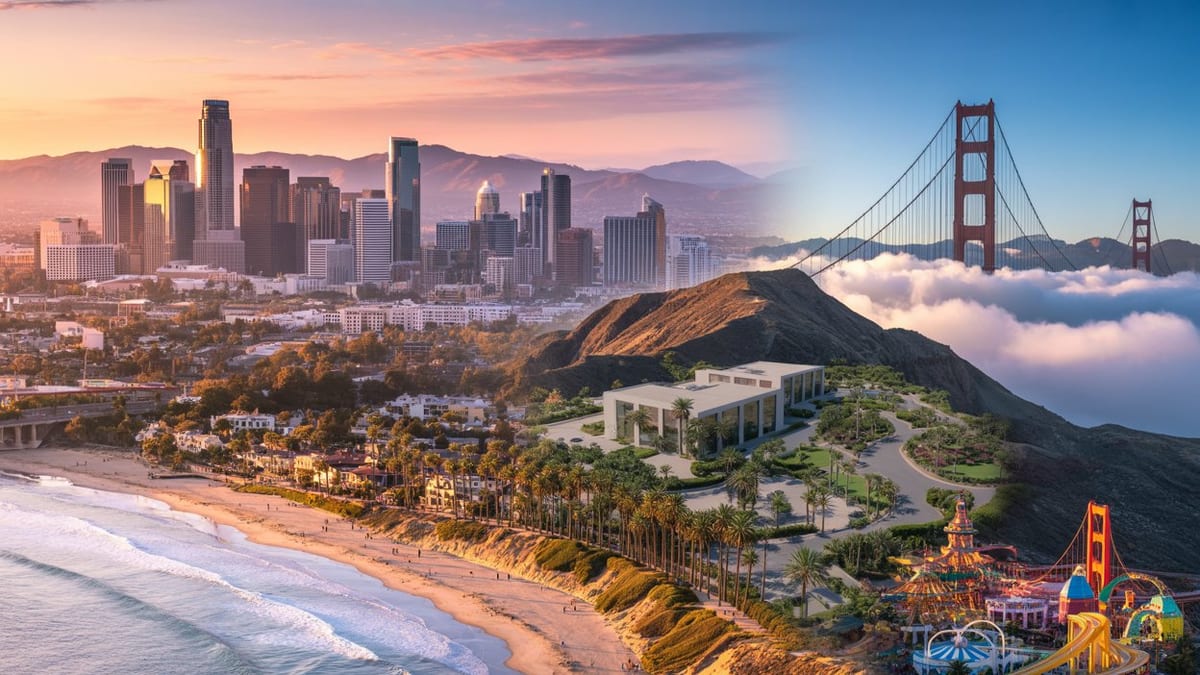
Image by Travel and Tour World – Tourism, Airline, Destination, MICE, Gobal Travel Market, Hotel news that you will find only over here.
Desert Destination Steps Onto California’s Main Tourism Stage
Recent economic impact reports show that Greater Palm Springs is no longer a niche winter escape but a year-round engine in California’s visitor economy. Visitor spending across the nine-city Coachella Valley generated an estimated multi-billion-dollar economic impact in 2024, supporting tens of thousands of jobs and helping to anchor Riverside County’s broader services sector. Publicly available figures indicate that tourism now accounts for roughly one in four local jobs, underscoring how central travel has become to the region’s fiscal health.
This surge is unfolding against the backdrop of a statewide tourism rebound. Visit California’s latest data indicates that travel spending in the state climbed back above pre-pandemic records in 2023 and continued to edge higher in 2024, with total visitor spending passing the 150 billion dollar mark. International visitors contributed a growing share of that total, especially through California’s primary gateways of Los Angeles, Orange, San Diego and San Francisco counties, and Palm Springs is increasingly feeding off that traffic as visitors combine desert stays with big-city itineraries.
Analysts tracking regional tourism trends place Palm Springs in a new peer group that includes Los Angeles, San Diego, San Francisco, Anaheim and Riverside as part of a multi-nodal Southern California tourism corridor. While the desert city operates at a smaller scale than these coastal giants, the structure of its visitor economy now mirrors theirs, with revenue streams tied to commercial aviation, large hotels and resorts, short-term rentals, meetings and events, and a growing slate of international cultural festivals.
Within Riverside County, Palm Springs is helping to rebalance a regional economy long driven by logistics and warehousing. Planning documents from transportation and regional planning agencies highlight the Inland Empire’s rapid growth as a leisure and meetings market, and they point to Palm Springs and neighboring resort communities as major magnets for higher-spending overnight guests.
Airlines and Airports Feed a Rising Desert Gateway
Palm Springs International Airport has become a critical gateway for the Coachella Valley’s tourism ambitions, linking the desert directly to major hubs across North America and beyond. Aviation planning documents show that the airport has expanded its roster of nonstop destinations steadily over the past decade, with service to key hubs in the western United States, the Midwest and Canada. Recent announcements point to new eastbound links, including planned nonstop service to Washington, D.C., that are expected to deepen connections with political, business and leisure travelers.
As California’s international gateways in Los Angeles, San Diego and San Francisco push past pre-pandemic visitor numbers, Palm Springs is benefiting from spillover demand. Travel trade materials describe how tour operators increasingly package the Coachella Valley with Los Angeles or Anaheim theme park stays, allowing international visitors to arrive through large coastal airports and then connect by air or road to the desert. This pattern mirrors strategies used in other multi-center tourism regions, where secondary airports capture additional nights and spending from long-haul travelers already in the country.
Airport forecasts commissioned by the city indicate that visitor traffic through Palm Springs International has more than doubled compared with levels a decade ago. The mix has shifted from primarily seasonal traffic to more balanced year-round usage, supported by growth in leisure travel, weddings, small-scale meetings and remote workers using the city as a temporary base. That in turn has encouraged airlines to test shoulder-season routes and to extend traditional winter schedules later into spring and early fall.
For Riverside County, the airport’s expansion interlocks with broader infrastructure investments across Southern California that tie together Los Angeles, Orange County, San Diego and the Inland Empire. Transportation plans emphasize tourism as a key justification for road, rail and airport improvements, helping to position Palm Springs as an integral node in a statewide network rather than a standalone outpost.
Hotels, Rentals and Theme Parks Shape a Multi-Segment Market
The hospitality landscape around Palm Springs has diversified significantly, reflecting patterns seen in larger California destinations. Economic impact studies for the region highlight strong growth in hotel, resort and vacation rental revenue, with visitor spending on accommodations, food and beverage and local retail driving most of the recorded gains. Local reports note particular strength in higher-end properties, boutique hotels and branded resorts that appeal to both domestic and international guests.
Transit occupancy tax figures across California’s major destinations demonstrate how critical “heads in beds” have become for city budgets. Anaheim, for example, has reported that roughly two-fifths of its general fund revenue is tied to hotel taxes driven by theme park and convention visitors. While Palm Springs draws its travelers with a different mix of attractions, city finance documents indicate a similar dependence on lodging taxes to fund public services, aligning the desert’s fiscal model with that of larger tourism-heavy jurisdictions.
Theme parks remain concentrated in coastal and urban centers such as Anaheim, Los Angeles and San Diego, but Palm Springs is increasingly integrated into these entertainment circuits. Travel agents report a rise in itineraries that combine Palm Springs with visits to Disneyland Resort, Universal Studios Hollywood, SeaWorld San Diego or Legoland California, effectively turning the desert into an add-on or launching point for multi-park vacations. Families and international visitors often structure trips to include a few days of resort relaxation between high-intensity theme park experiences.
Short-term vacation rentals are another segment tying Palm Springs more closely to statewide trends. Studies of the Coachella Valley’s rental market point to more than a billion dollars in associated business sales across the region, mirroring the scale of short-term rental activity in parts of Los Angeles and San Diego. Regulators across these markets are debating how to balance community concerns with the clear role of rentals in attracting longer-stay and group travelers.
Hollywood, Festivals and Cultural Events Drive Global Visibility
Cultural programming has become one of Palm Springs’ most potent tools for competing with California’s coastal cities. Events such as the Palm Springs International Film Festival and the architecture-focused Modernism Week draw visitors from across the United States and dozens of countries, according to festival attendance summaries. Recent editions of these events have reported audiences in the six-figure range and economic impacts in the tens of millions of dollars for local hotels, restaurants and attractions.
The film festival, which traditionally opens each January, has grown into a key platform that links Palm Springs with Hollywood’s awards-season calendar. Industry coverage emphasizes the presence of acclaimed films, international directors and talent, which in turn fuels media exposure for the destination. That visibility extends beyond the event dates as images of red carpets, screenings and desert backdrops circulate in entertainment and lifestyle coverage worldwide.
Modernism Week, held each February, reinforces a separate but complementary brand focused on midcentury architecture and design. Economic analyses describe how the event attracts design professionals, historians and architecture enthusiasts who tend to stay longer and spend more than the average leisure visitor. Tours of iconic modernist homes, lectures, parties and exhibitions help sustain Palm Springs’ reputation as a living showcase of 20th century design, setting it apart within California’s crowded tourism field.
These cultural pillars sit alongside a broader calendar of concerts, LGBTQ+ events, culinary festivals and museum programming that collectively broaden the city’s appeal. Regional tourism materials highlight synergies with Los Angeles’ entertainment industry, as production companies and creative professionals use Palm Springs for location shoots, retreats and off-site gatherings, reinforcing the city’s historic ties to Hollywood while generating new revenue streams.
International Arrivals Strengthen Palm Springs’ Role in California Tourism
International travel has re-emerged as a critical growth segment for California, and Palm Springs is beginning to secure a clearer share of this market. Visit California’s most recent economic impact findings show that overseas visitors accounted for a rising share of statewide tourism spending in 2024, driven by strong demand from Canada, Mexico, Europe and parts of Asia. While the majority of these travelers still arrive through coastal gateways, local tourism data and anecdotal evidence from hoteliers indicate that a growing subset is incorporating Palm Springs into multi-stop itineraries.
Direct air links between Palm Springs and Canadian cities, in particular, have underpinned a long-running snowbird market that fills hotels and rentals through the winter months. Travel forums and regional studies point to some volatility in this segment in recent years, including shifts in currency values and air capacity, but properties across the Coachella Valley continue to report strong seasonal demand from Canada and other cold-weather markets. European visitors are also increasingly visible at major events and design festivals.
California’s participation in global events such as the IPW travel trade show has further raised the profile of destinations beyond Los Angeles and San Francisco. Promotional materials from recent editions stress itineraries that link multiple California regions, encouraging tour operators to market Palm Springs as a desert counterpart to coastal cities and national parks. This approach aligns with broader industry efforts to disperse visitors more evenly across the state while increasing overall length of stay.
As Los Angeles, San Diego, San Francisco, Anaheim, Riverside and other cities refine their strategies for capturing long-haul travelers, Palm Springs is positioning itself as a distinctive but connected option. With expanding air service, a maturing hotel and rental sector, marquee cultural events and rising international recognition, the desert city is emerging as a fully fledged multi-segment tourism hub within California’s evolving visitor economy.