

More news on this day
Paris is entering 2026 with a fresh round of restrictions on Airbnb and other short term rentals, as the city responds to overtourism pressures, post Olympic visitor surges and a deepening housing squeeze for residents.
Get the latest news straight to your inbox!
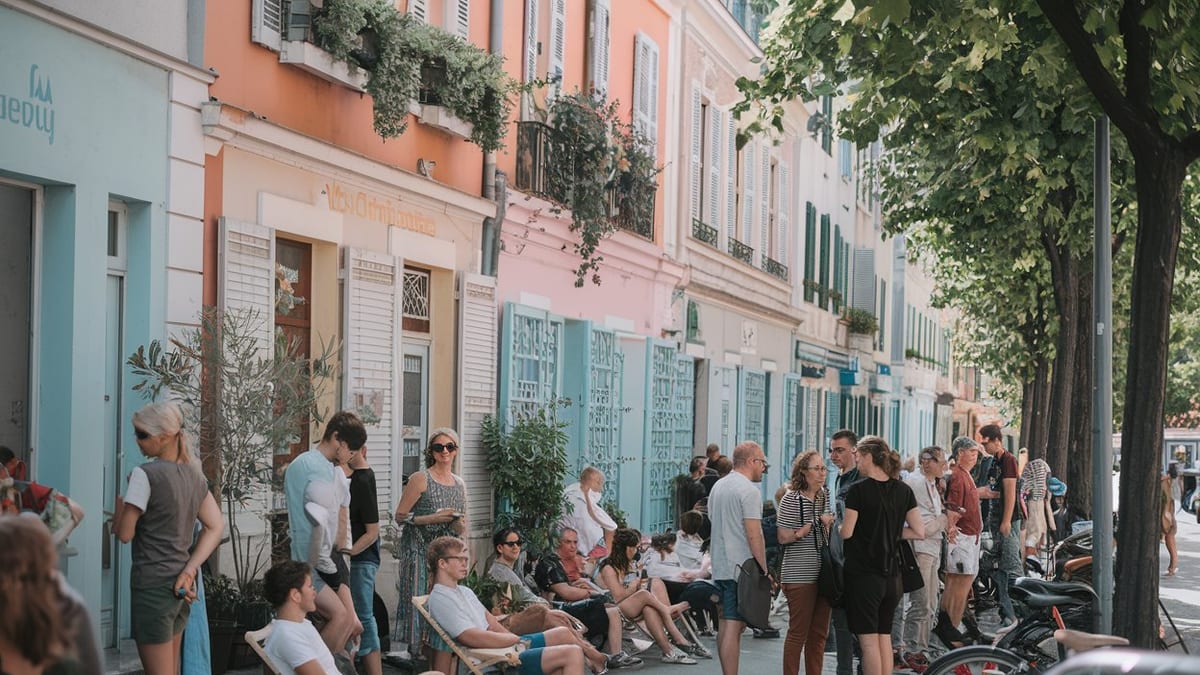
Image by Travel And Tour World
From Olympic Boom to Overtourism Backlash
Recent tourism data show that visitor numbers to the Paris region remained high through 2025 following the 2024 Olympic and Paralympic Games, extending peak season conditions well beyond the event itself. Local housing advocates and neighborhood groups have increasingly linked this sustained boom to a proliferation of short term rentals in central districts, where entire stairwells of traditional apartments have reportedly been converted into de facto hotel stock.
Research from European and French policy bodies highlights Paris as one of the continent’s most heavily visited urban destinations, with millions of overnight stays concentrated in a relatively small historic core. Analysts note that this concentration magnifies the impact of every additional short term listing on rent levels, noise and local services, especially in districts already under housing stress.
Short term rental platforms themselves acknowledge that Paris is a test case for new European wide transparency rules that take effect in 2026, requiring more detailed host registration and data sharing with public authorities. This shifting legal backdrop has encouraged the city to move early and design a tougher framework tailored to its own overtourism concerns.
Against this background, the tightening of Paris Airbnb rules in 2026 is being framed by local commentators as part of a broader attempt to rebalance tourism, disperse visitor flows and protect housing availability in neighborhoods where residents say they are being priced out.
What Is Changing for Airbnb in Paris in 2026
Publicly available guidance from Paris city hall and legal analyses of the 2024 national law show that primary residences in the capital are now capped at 90 nights of short term tourist rental per year, a reduction from the long standing 120 night ceiling that had applied previously. Hosts who exceed this cap risk significant fines, and platforms are expected to help enforce the limit by tracking booked nights and suspending non compliant listings.
For secondary homes and dedicated tourist apartments, the regime in 2026 is even stricter. Specialist property consultancies report that converting a regular residential unit into a year round vacation rental generally requires a formal change of use and a complex “compensation” mechanism, obliging the owner to create equivalent housing space elsewhere in the city. In practice, the high cost of this process is pushing many professional hosts to reconsider their business model in favor of longer term furnished rentals.
Several analyses of the updated rules emphasize that Paris has also increased financial penalties. Commentaries referencing the national framework describe potential fines that can reach tens of thousands of euros for failing to register a listing, omitting a mandatory registration number, or continuing to advertise an illegal property. Some coverage notes that, in the most serious cases, penalties can climb toward six figure sums.
In parallel, new rules have strengthened the power of building co ownership associations. Legal guides published in late 2025 explain that homeowners’ assemblies can now vote, with a qualified majority, to ban tourist rentals within their building regulations, closing a loophole that once allowed individual apartments to operate as short term rentals despite local opposition.
Stricter Registration and Data Sharing Requirements
Several regulatory briefings on the French and European short term rental framework indicate that 2026 is a turning point for host registration. Paris already required a local registration number issued by the city before a property could be listed legally on Airbnb and similar platforms. By the first half of 2026, commentators note that this requirement is being folded into a new national online portal designed to centralize declarations for all furnished tourist rentals in France.
According to policy summaries and industry reports, every landlord offering short stays in Paris will be expected to declare their property through this system, specify whether it is a primary or secondary residence, and obtain a unique registration number. This identification must then appear in all adverts so city inspectors can cross check listings with official records and verify compliance with night caps and zoning rules.
Analysts following European Union legislation add that new EU level rules taking effect in May 2026 will oblige platforms to share detailed data on bookings and active listings with national and local authorities. For visitors, this means that hosts are likely to be subject to tighter automated checks and that unregistered apartments, which have traditionally made up a gray market in central Paris, will be more easily detected and removed.
Travel industry observers suggest that the combination of a Paris specific cap, national registration and EU data sharing is intended to close enforcement gaps that previously allowed illegal tourist rentals to operate for years. The expectation is that overall supply of entire home listings, especially in the historic center, will gradually decline as owners either legalize, shift to long term tenants or exit the market.
Impact on Travelers: Fewer Whole Apartments, Higher Prices
Booking and investment analyses focused on Paris warn that the new regime is likely to reduce the number of legally available entire home listings, particularly in central districts such as Le Marais, Saint Germain and around the Louvre, where density of short term rentals has been highest. With hosts facing stricter caps and heavier fines, some have already shifted to long term leases or put properties up for sale, eroding the stock of budget friendly apartments that fueled the Airbnb boom of the 2010s.
Travel reports for 2025 and early 2026 suggest that visitors relying heavily on short term rental platforms may notice higher nightly rates, tougher booking conditions and more limited choice in the most popular neighborhoods. Analysts point out that as supply contracts, remaining compliant listings can command a premium, especially during spring and summer peaks, major trade shows and cultural events.
At the same time, tourism officials and hospitality consultants note that Paris has seen renewed investment in hotels and aparthotels, which are not subject to the same residential conversion rules. Some predict a shift back toward traditional accommodations and professionally managed serviced apartments, particularly for first time visitors or families seeking predictable standards and clear legal status.
Seasoned travelers are being advised in consumer focused coverage to pay close attention to listing details, ensure that a registration number is displayed and to be cautious of hosts who suggest paying off platform or signing side agreements that circumvent local rules. Observers emphasize that while enforcement is tightening, it remains possible to find legal, well regulated short term stays across the city for those who plan ahead.
How Paris Compares with Other Overtouristed Cities
Academic and policy research on global overtourism trends places Paris within a broader movement of major cities imposing tougher rules on short term rentals. Cities such as Barcelona, Amsterdam and New York have all introduced caps, registration schemes or de facto bans on many entire apartment rentals, arguing that these measures protect housing and restore balance in historic districts overwhelmed by visitors.
Comparative studies of European regulations describe Paris as one of the stricter jurisdictions, particularly in its treatment of secondary homes and its use of a compensation mechanism that makes large scale tourist conversion financially unattractive. However, some economic analyses published by and about the platform sector argue that stringent rules have not clearly reversed housing price growth and may simply redirect tourism to other neighborhoods or nearby cities.
For travelers, the practical takeaway is that Paris in 2026 is unlikely to be the freewheeling short term rental market of a decade ago. The city is signaling that visitor accommodation must fit within a tighter legal framework that prioritizes long term residents, even if that means higher prices, fewer whole apartments and more nights spent in hotels.
Industry commentators suggest that the success of the Paris model will be watched closely by other destinations wrestling with overtourism. If the combination of caps, registration and enforcement manages to ease pressure on housing while keeping tourism revenue strong, similar measures could become the standard playbook for Europe’s most visited cities.