

More news on this day
Park Hyatt Tokyo has reopened after a 19-month renovation that reimagines one of the world’s most recognisable luxury hotels, signaling a new era for high-end travel in the Japanese capital.
Get the latest news straight to your inbox!
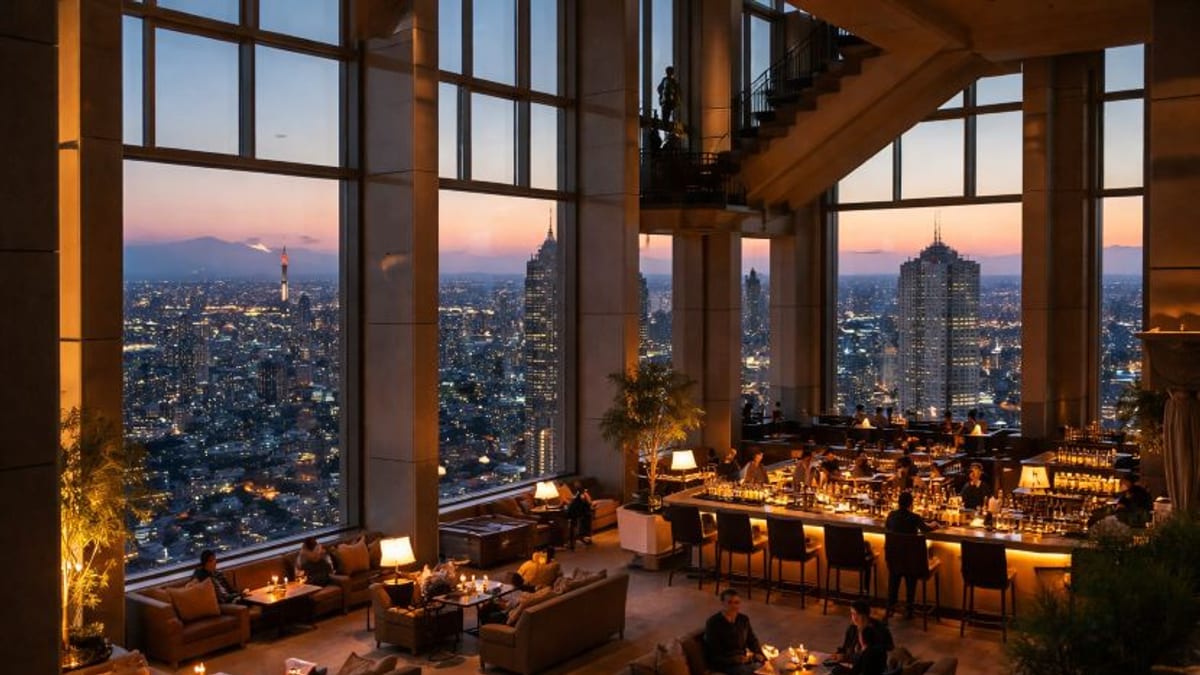
Image by Travel And Tour World
A Landmark Reopens With a Refined Vision
The renovation, completed in December 2025, marks the most comprehensive renewal since the hotel first opened in 1994 high atop Shinjuku Park Tower. Publicly available information shows that the property temporarily closed in May 2024 for a full-scale transformation aligned with its 30th anniversary, reducing its key count from 177 to 171 while enlarging many room footprints and rethinking how guests move through its spaces.
Reports indicate that the overall ambition was not to replace a beloved icon, but to edit and elevate it. The hotel’s owners and operators pursued what design coverage has described as a careful “second chapter,” aiming to preserve the contemplative mood, skyline drama and residential calm that have long distinguished Park Hyatt Tokyo from newer competitors across the city.
For the wider luxury travel sector, the reopening arrives at a moment when Tokyo visitor numbers are climbing and competition among high-end brands in Shinjuku and central Tokyo is intensifying. The refreshed Park Hyatt positions itself as both a heritage address and a contemporary product, reinforcing the city’s status as a global testbed for high-touch urban hospitality.
Jouin Manku’s Design Balances Memory and Modernity
The Paris-based studio Jouin Manku was commissioned to lead the transformation, a decision that has been widely noted in design and travel media. The firm was tasked with updating interiors first created by the late designer John Morford, whose dark woods, muted greens and private-residence ambience helped define the hotel’s identity and later its cinematic fame.
According to published coverage, Jouin Manku approached the project as a “tightrope” exercise. Almost every surface, from flooring to wall coverings and furnishings, has been renewed, yet the spaces read as an evolution rather than a rupture. Subtle curves replace some of the original strong lines, lighting has been softened, and sightlines were carefully adjusted to preserve the hotel’s much-photographed views toward Shinjuku’s skyline and, on clear days, Mount Fuji.
Guestrooms and suites on floors 42 through 51 are where the most visible changes occur. Reports describe enlarged layouts with more generous circulation, integrated cabinetry that conceals technology, and layered materials that balance Japanese restraint with European warmth. A new Park Suite category introduces residential-style living areas framing vistas over Harajuku, Meiji Shrine and Yoyogi Park, a configuration that is expected to appeal to longer-stay luxury travelers and design-conscious guests.
Elevated Culinary Spaces for a New Generation of Travelers
The hotel’s culinary program has emerged as one of the most closely watched elements of the renovation. Public information highlights an expanded partnership with Ducasse Paris Group at Girandole, the hotel’s brasserie-style restaurant, where French techniques intersect with Japanese produce in a series of seasonally driven menus. The collaboration reflects a broader trend across luxury hotels in Asia, where branded chef partnerships are increasingly used to differentiate properties.
Other signature venues have been refreshed rather than reinvented. The Peak Lounge and Bar, with its soaring glass atrium and indoor bamboo grove, retains its garden-in-the-sky atmosphere, enhanced by new furnishings and lighting intended to sharpen the contrast between the calm interior and the surrounding city. The New York Grill and New York Bar, long associated with Park Hyatt Tokyo’s cinematic profile, continue to operate as skyline stages for contemporary Tokyo, with updated details that respect their established personality.
For high-end travelers, these dining and lounge spaces remain a critical part of the hotel’s draw, often shaping booking decisions as much as room design. Their renewal signals that Park Hyatt Tokyo is working to remain a destination for both overnight guests and local residents, an increasingly important factor in urban luxury hotel resilience.
Wellness, Events and the Evolving Urban Luxury Model
The hotel’s wellness and events offerings also play a central role in its post-renovation identity. Club On The Park, the spa and fitness complex spanning the upper floors, has been updated with rethought treatment areas, refreshed relaxation spaces and revised wellness programs that blend Japanese and Western approaches. Reports note that the dramatic atrium pool and panoramic city views remain intact, preserving a hallmark experience for returning guests.
Event and meeting spaces have been reconfigured to accommodate smaller, high-spec gatherings alongside traditional banquets, reflecting changing patterns in corporate and social travel. Flexible layouts, enhanced acoustics and upgraded technology are intended to position the property as a discreet venue for brand launches, board-level meetings and luxury weddings that seek both privacy and a strong visual backdrop.
These investments mirror broader shifts in urban luxury hospitality, where hotels increasingly function as multi-use lifestyle platforms rather than simple lodging providers. By weaving wellness, gastronomy and events into a cohesive narrative, Park Hyatt Tokyo aims to maintain relevance in a market shaped by new openings and rapidly evolving guest expectations.
Impact on Tokyo’s Luxury Landscape and Global Travelers
The reopening of Park Hyatt Tokyo is already influencing how travelers, agents and loyalty program members plan high-end itineraries in Japan. Travel industry commentary suggests that the hotel’s return is prompting some itineraries to pivot back toward Shinjuku, particularly among repeat visitors who previously built stays around the property’s vantage point, service culture and atmosphere.
At the same time, the project underscores how legacy hotels are managing modernization without losing their narrative value. The refreshed interiors and services are designed to align with contemporary expectations around sustainability, connectivity and wellness, yet the hotel continues to trade on its reputation as a quiet perch above the city. This balance between memory and modernity is likely to serve as a reference point for other landmark renovations across Asia.
For global travelers, the renewed Park Hyatt Tokyo offers both familiarity and discovery. The outlines of the experience remain recognisable, but the details have been tightened, softened or expanded in ways that speak to how luxury travel has evolved since the mid-1990s. As Tokyo continues to attract record numbers of visitors, the hotel’s transformation illustrates how one of the city’s most famous addresses is preparing for its next three decades in the spotlight.