

Paros has long been the island that Greeks whisper about to friends who ask where to go after Mykonos and Santorini. It has all the Cycladic hallmarks whitewashed villages, blue-domed churches, and luminous beaches but with an atmosphere that still feels relaxed and lived-in.
At the same time, a new generation of high-end hotels, serious restaurants, and beach clubs has reshaped the island in recent years, drawing ever more visitors each summer.
Getting Your Bearings: Paros at a Glance
Paros sits almost in the heart of the Cyclades, roughly midway between Mykonos and Naxos. It is compact enough to explore in a few days yet big enough that you can still escape the crowds if you plan well.
The island covers around 76 square miles and is ringed with beaches, many in natural bays sheltered from the Meltemi winds that sweep across the Aegean each summer.
There are two main hubs. Parikia, on the west coast, is the capital and main ferry port, a bustling waterfront town with shops, tavernas, and the island’s most important church.
Naoussa, to the north, is a pretty fishing village turned cosmopolitan resort, where old stone boat sheds now house cocktail bars and seafood restaurants. Inland, villages like Lefkes and Marpissa show a quieter, more traditional side of the island, with marble-paved lanes and views towards the sea.
Paros has roughly 12,000 permanent residents, but in peak season the population swells dramatically as ferryloads of visitors arrive from Athens and neighboring islands. Tourism has accelerated in the last five years, with new luxury properties, beach clubs, and international brands either opening or announced, including a Destination by Hyatt resort slated for 2026.
The result is an island that can feel very different in August than in May, so timing your visit is one of the most important decisions you will make.
Paros is also the gateway to Antiparos, its much smaller, low-slung neighbor just minutes away by local ferry. Many travelers split their stay between the two, using Paros for beaches, restaurants, and nightlife, and hopping over to Antiparos for a slower-paced interlude. If you have more than four or five days, building both islands into your plans is an excellent way to experience the region.
When to Go and How Long to Stay
The island has a long season that now stretches from late April to late October, but the experience varies significantly by month. July and especially August bring high temperatures, crowded beaches, sold-out restaurants, and some of the most expensive hotel rates in the Cyclades. This is also when the Meltemi winds are strongest, which can make certain beaches rough and ferry crossings choppy.
For many travelers, the sweet spot is late May through June and September through early October. During these shoulder months, the sea is warm enough for long swims, businesses are open and lively, and the island feels busy but not overwhelmed. You will still need reservations for the most popular restaurants and bars in Naoussa, but you will find it easier to secure sunbeds, rental cars, and rooms with sea views at more reasonable prices.
Visiting in April or late October is possible if you are prepared for cooler water and a quiet, almost local feel. Ferry schedules are less frequent, some seasonal hotels and beach bars will be closed, and bus timetables are reduced. On the other hand, hiking, exploring villages, and long, quiet lunches are at their best in the mild temperatures of spring and late autumn.
First-time visitors should plan at least three full days on Paros, not counting travel time, though four to six days makes for a far more relaxed experience. This leaves room for a beach day on the west or south coast, an afternoon exploring Naoussa and its nearby coves, a trip inland to Lefkes and other hill villages, and at least one excursion to Antiparos or Paros Park.
If you are combining Paros with another island such as Naxos or Milos, keep in mind that ferry connections are frequent in summer, so it is easy to split a one- or two-week trip between two or three islands.
Getting There and Getting Around
Paros is one of the better-connected islands in the Cyclades. From Athens, the most common route is by ferry from Piraeus or Rafina, which typically takes between three and five hours depending on the vessel. High-speed catamarans are faster but more expensive and can be bumpier in strong winds, while conventional ferries are slower but more stable and spacious.
In peak months, ferries also link Paros with neighboring islands including Mykonos, Naxos, Ios, Santorini, Milos, and others, making it easy to build island-hopping itineraries.
The island also has a small but busy airport near Aliki on the south coast, with multiple daily flights to and from Athens in summer and a more limited schedule in winter.
Flight times from Athens are around 40 minutes, but capacity is limited and tickets for the summer months often sell out well in advance. If you are connecting from an international arrival in Athens and are prone to delays, consider an overnight in the city or plan a ferry departure with a generous margin of time.
Once on the island, you have several options for getting around. The KTEL public bus network links Parikia, Naoussa, the airport, and most major villages and beaches year-round, with more frequent services in summer.
In high season, routes such as Parikia to Naoussa run as often as every 20 to 30 minutes, often from early morning until late evening. In the quieter months, buses may pass only every hour or two, particularly to beaches and remote villages, so checking the current timetable locally is essential.
Many visitors choose to rent a car, scooter, or quad bike, which allows maximum flexibility and access to quieter coves. Road conditions are generally good, but parking can be tight in Naoussa and popular beaches in July and August.
Taxis are available but limited in number, especially at night and during peak times; pre-booking airport and port transfers is a wise move. Short water-taxi services connect Parikia with Krios and Marcello beaches and Naoussa with Kolymbithres and Monastiri in season, adding a scenic way to get around without a car.
Where to Stay: Towns, Beaches, and New Openings
Choosing where to base yourself will shape your experience of Paros. Parikia suits travelers who want to be right by the ferry port with easy bus connections, a wide choice of midrange hotels and guesthouses, and sunset strolls along the waterfront. It is particularly convenient if you are on a shorter trip or planning several ferry rides, since you can walk from many accommodations to the port in minutes.
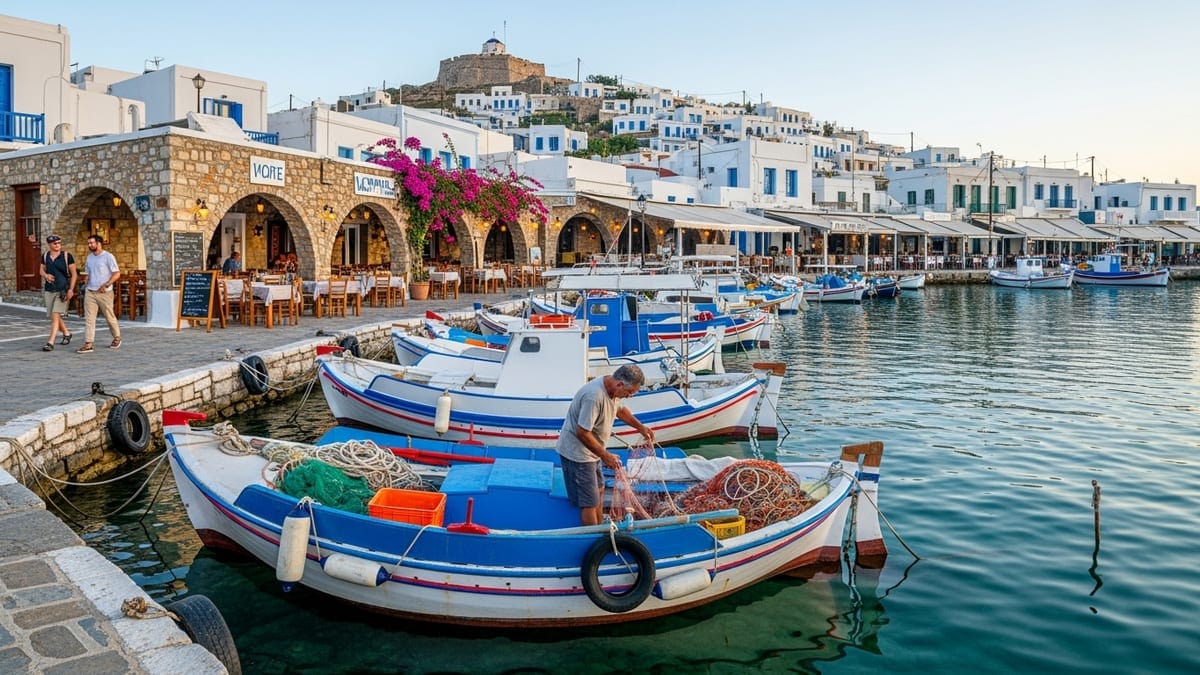
Naoussa has transformed into one of the most sought-after bases in the Cyclades, blending a postcard-perfect harbor lined with fishing boats and tavernas with smart boutiques, stylish bars, and a growing number of luxury and design hotels. It is ideal for travelers who want to combine daytime swimming and boat trips with evenings of fine dining and people watching. Be prepared for higher prices and far more nightlife noise in peak season, especially around the old port.
On the south and east coasts, beach areas such as Golden Beach, Logaras, and Drios appeal to travelers who prefer a quieter, more laid-back stay directly by the sea. These areas are popular with windsurfers and families looking for gently shelving beaches with clear water and a handful of tavernas. Aliki, near the airport, offers a smaller harbor town atmosphere and easy access to nearby coves and boat trips.
The island’s hotel scene continues to evolve, with a wave of new openings and upgrades focused on wellness and high-end design. Properties such as Parilio and newer spa-focused resorts have added serious competition at the luxury end of the market, with suites, private pools, and expanded spa facilities that bring Paros closer to the standards seen on Mykonos and Santorini.
Looking ahead, the planned Destination by Hyatt property, currently expected to open in 2026, signals further investment and rising expectations. For travelers, that means more choice but also more demand, so booking well ahead for July, August, and even June has become increasingly important.
What to See: Villages, Beaches, and Island Highlights
For all the attention on its beaches and nightlife, Paros is at its most memorable when you wander beyond the waterfront. Start in Parikia with the Panagia Ekatontapiliani, often called the Church of a Hundred Doors, one of the oldest and most significant early Christian churches in Greece.
Step inside its cool stone interior, then explore the tangle of alleys behind the waterfront, where bougainvillea climbs over balconies and modest homes are tucked between small chapels and shops.
Naoussa is an essential stop, especially in the late afternoon and evening when the light softens over the harbor. The small Venetian fort at the harbor entrance and the low stone boat garages speak to the village’s fishing past, even as they now sit beside glamorous wine bars and high-end restaurants. A stroll through the whitewashed backstreets reveals independent boutiques, galleries, and small hotels, many housed in carefully restored townhouses.
Inland, Lefkes is often described as the most beautiful village on Paros, and it rewards an unhurried visit. Perched on the slopes of Mount Profitis Ilias, it was once the island’s capital and retains grand stone houses, a handsome main square, and the marble Church of Agia Triada.
From Lefkes, old mule paths lead towards other villages such as Prodromos and Marpissa, passing terraces of olive trees and scattered chapels. Marpissa itself is a hilltop village with narrow lanes, traditional houses, and traces of Venetian windmills, an ideal place to visit later in the day when the sun is lower.
Paros’ beaches are scattered around the coastline, each with a slightly different personality. Kolymbithres, near Naoussa, is famed for its sculpted granite rock formations and shallow, turquoise water.
Golden Beach on the east coast lives up to its name with wide sands and reliable summer winds that attract windsurfers and kitesurfers. In the southwest, Krios and Marcello are easily reached from Parikia by a quick water-taxi ride, while farther south, spots around Aliki and Faragas combine clear water with a more peaceful atmosphere, especially outside high season.
Experiences You Should Not Miss
One of the defining experiences on Paros is time on the water. Boat trips from Naoussa and Aliki range from half-day excursions to full-day cruises, often combining swimming stops at remote coves with simple lunches on board.
Many itineraries include the nearby uninhabited islets and the south coast of Antiparos, where sea caves and hidden beaches are far harder to reach from land. Snorkeling is good around rocky headlands, and in calm conditions the water clarity can be spectacular.
Visiting Antiparos is another essential excursion, whether for a day or longer. Ferries, both car and passenger-only, shuttle back and forth from Paros in under 10 minutes.
Once there, you can wander Antiparos Town with its small main street, café terraces, and boutiques, or head to the stalactite-filled Cave of Antiparos high above the sea. Several beaches, including Soros and Apantima, offer a laid-back alternative to the bigger, busier stretches of sand back on Paros.
On land, hiking and walking are increasingly popular. Well-marked trails lead across the hills and along the coast, including sections of old Byzantine paths between Lefkes, Prodromos, and Marpissa. These walks are best tackled outside the high heat of midday and are especially rewarding in spring, when wildflowers dot the hillsides.
Even short, informal walks along headlands near Naoussa or around Paros Park at Monastiri can give you a sense of the island’s geology and views far from the road.
Evenings on Paros often revolve around food, wine, and, in Naoussa especially, nightlife. Traditional tavernas serve grilled fish, octopus, and local dishes such as chickpea stew and sun-dried mackerel. At the same time, contemporary restaurants led by ambitious chefs are experimenting with Cycladic ingredients and modern techniques.
After dinner, bars around Naoussa’s old port and Parikia’s lanes fill with a mix of locals, seasonal workers, and visitors, some staying out until the early hours in high season.
Eating, Drinking, and Sustainable Choices
The culinary scene on Paros has grown dramatically in recent years, mirroring the surge in upscale tourism. You will still find unpretentious tavernas where the menu is chalked on a board and the house wine is served in tin jugs, but now you will also encounter wine lists featuring natural Greek producers, tasting menus, and chef-driven concepts centered on seasonal Cycladic produce. Fresh seafood remains a highlight, though prices have risen as demand increases.
Local specialties include revythada, a slow-cooked chickpea stew traditionally baked overnight in wood-fired ovens, and gouna, sun-dried mackerel that is grilled and served with lemon.
Cheeses from Paros and nearby islands, capers, tomatoes, and wild greens appear across menus, while bakeries in Parikia, Naoussa, and the villages turn out pies filled with cheese or spinach and sweet treats flavored with honey and almonds. Coffee culture is strong; you will find everything from classic Greek coffee to modern espresso bars frequented by a young, cosmopolitan crowd.
Given the rapid pace of development and the strain of summer tourism on water supplies and infrastructure, many visitors are increasingly conscious of their footprint on the island.
Simple steps can make a meaningful difference: carrying a reusable water bottle, minimizing single-use plastics at the beach, choosing locally owned accommodations and tour operators, and respecting marked trails rather than forging new paths through fragile scrubland. If you rent a car or scooter, drive carefully and be mindful of local drivers, pedestrians, and animals on narrow rural roads.
Supporting businesses that prioritize local sourcing and environmental practices also helps nudge the island in a sustainable direction. Many newer hotels and restaurants highlight partnerships with nearby farmers and fishermen, reduced-waste kitchens, and energy-saving measures. Asking questions, booking with these venues where budgets allow, and being a considerate guest go a long way to ensuring that Paros remains as appealing in future seasons as it is today.
Practical Tips Before You Go
Paros is generally straightforward to visit, but a few practical points will help your trip run smoothly. First, book ferries, flights, and accommodations early for any travel in July or August, and increasingly for June and September as well. Routes and frequencies can change from year to year, so confirm schedules close to your travel dates rather than relying on past timetables.
On arrival, have a plan for how you will reach your accommodation; taxi queues at the port and airport can be long when several ferries or flights arrive close together.
Public buses are a reliable and economical option if you base yourself in Parikia or Naoussa. You typically buy tickets at bus station kiosks or on board with cash, and posted timetables are updated regularly through the season. Services run late into the evening on the main routes in summer, making it possible to dine or go out without a car.
However, if you plan to stay in a village or on a more remote beach, or if you want to explore at your own pace, renting a vehicle will save time and open up more options.
Cash is still useful on the island, especially for smaller purchases, bus tickets, and some rural tavernas. That said, cards are widely accepted in hotels, most restaurants, and many shops. Parikia and Naoussa both have several ATMs, but it is wise to withdraw cash before heading to remote beaches or villages. Power sockets follow the standard European two-pin system; bring an appropriate adapter if you are visiting from the United States or another region with different plugs.
Finally, pack with the Aegean climate in mind. In summer, light clothing, sun protection, a hat, and reef-safe sunscreen are essential, along with sturdy sandals or shoes for cobbled lanes and walking paths. Evenings by the sea can still be breezy, so a light layer is worth bringing. Outside the peak months, add a warmer jacket and long trousers for cooler nights, especially if you plan to sit outdoors or ride ferries after sunset.
The Takeaway
Paros today straddles two identities. On one side is the bohemian, relatively low-key island that long-time visitors remember from years ago, with whitewashed villages, simple tavernas, and quiet coves.
On the other is a rising star of Cycladic tourism, where upscale hotels, ambitious restaurants, and sophisticated beach clubs draw an international crowd. The reality on the ground is a blend of both, and with some planning you can dip into each world as it suits you.
By thinking carefully about when you visit, where you stay, and how you move around, you can still find the quieter corners of Paros while enjoying its growing amenities. Give yourself time to wander away from the waterfronts, explore hill villages like Lefkes and Marpissa, swim at more than one beach, and perhaps step across to Antiparos for a day or more.
With a thoughtful approach, the island rewards you with luminous light, clear water, and a sense of place that lingers long after the ferry pulls away from the harbor.
FAQ
Q1. How do I get to Paros from Athens?
Most travelers reach Paros either by ferry from Athens or by a short domestic flight. Ferries depart mainly from Piraeus and Rafina, with fast boats taking around three hours and conventional vessels closer to five, depending on the route and operator. The island’s airport, near Aliki, has multiple daily flights from Athens in the summer season, typically lasting about 40 minutes. Because schedules and capacity change year by year, always check current ferry and flight times and book ahead for peak months.
Q2. Is Paros better to visit than Mykonos or Santorini?
“Better” depends on what you want from your trip. Paros offers beautiful beaches, lively nightlife, and stylish hotels like Mykonos and Santorini, but it still has more everyday Greek life visible in its villages and towns. It tends to be slightly less expensive and less polished than Mykonos, and more focused on beaches and village life than the dramatic caldera views that define Santorini. Many travelers who have already visited the more famous islands choose Paros next for a balance of energy and authenticity.
Q3. Do I need to rent a car on Paros?
You do not have to rent a car, but it can be very useful. The public bus network connects Parikia, Naoussa, the airport, and major beaches and villages, especially in summer, so you can see a lot without driving. However, if you stay outside the main hubs or want to explore remote coves and inland villages on your own schedule, a car or scooter adds flexibility. In July and August, book rentals in advance and be prepared for tight parking in Naoussa and at popular beaches.
Q4. When is the best time of year to visit Paros?
For most visitors, the ideal times are late May through June and September through early October. During these months, the weather is warm, the sea is swimmable, and most businesses are open, but the island is less crowded than in high summer. July and August bring the most buzz along with the highest prices, busiest beaches, and strongest Meltemi winds. April and late October can be delightful for hiking and village life, though the sea is cooler and some seasonal venues will be closed.
Q5. Which area of Paros should I stay in?
Parikia suits travelers who value convenience to the port, a wide range of accommodation, and good bus connections. Naoussa is best if you want a mix of beach access, upscale restaurants, nightlife, and boutique hotels, and you do not mind higher prices and a livelier scene. For a quieter, beach-focused stay, consider areas like Golden Beach, Drios, or Aliki on the south and east coasts. Inland villages such as Lefkes are atmospheric but less practical for short stays without a car.
Q6. How crowded does Paros get in summer?
In July and especially August, Paros can feel very busy. Hotel occupancy is high, restaurant reservations are essential in Naoussa and popular spots in Parikia, and beaches close to the main towns fill early in the day. Ferries and flights also run close to capacity. If you travel in this period, plan and book ahead, consider exploring early in the morning or late in the afternoon, and seek out lesser-known beaches or inland villages for quieter moments.
Q7. Is Paros a good destination for families?
Yes, Paros works very well for families. Many beaches have shallow, calm water and soft sand, particularly on the south and east coasts. Public transport is straightforward, and there is a wide choice of family-friendly hotels, apartments, and tavernas. Boat trips, easy coastal walks, and day excursions to Antiparos add variety without long travel times. In peak summer, families may prefer to base themselves slightly away from the noisiest nightlife zones in Naoussa and central Parikia.
Q8. What should I budget for a trip to Paros?
Budgets vary widely depending on season and travel style. In July and August, midrange hotels in Naoussa and Parikia typically cost significantly more than in shoulder months, and dining in high-end restaurants and beach clubs can approach prices on Mykonos. Traveling in May, June, September, or early October lowers accommodation costs and often allows you to eat well in traditional tavernas at moderate prices. Public buses, bakery breakfasts, and simple rooms in family-run pensions help keep expenses down if needed.
Q9. Are there any cultural or etiquette tips I should know?
Basic Greek phrases, even a simple “kalimera” for good morning, are appreciated. Dress is relaxed, but beachwear is best kept to beaches and pool areas rather than churches or village squares. If you visit churches or monasteries, cover shoulders and avoid very short shorts. In restaurants, tipping around 5 to 10 percent is customary when service is good, and lingering over a meal is normal; you usually need to ask for the bill rather than expecting it to appear automatically.
Q10. Is Paros suitable for solo travelers?
Paros is an excellent choice for solo travelers, especially in the busier months when there are many people to meet in hostels, guesthouses, bars, and on organized boat trips. The island feels generally safe, and public transport makes it easy to move between towns and beaches without a car. Solo travelers who prefer a quieter atmosphere may enjoy staying near Parikia or in a small beach village in shoulder season, using Naoussa and Antiparos for occasional nights out or special dinners.