

More news on this day
A partial shutdown of the U.S. Department of Homeland Security is already straining airport security staffing and stoking fears of major travel disruptions just as millions of Americans prepare to take to the skies for spring break.
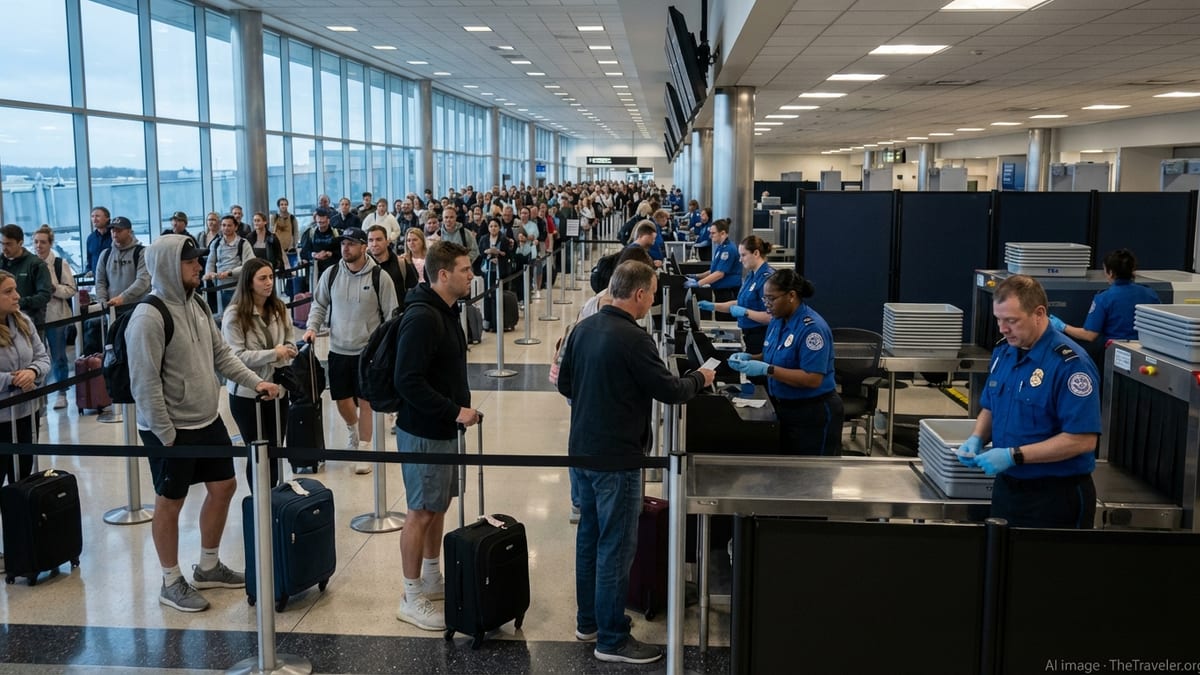
DHS Funding Lapse Hits TSA as Travel Peaks
The latest budget standoff in Washington has left the Department of Homeland Security without full-year funding, triggering a partial government shutdown that directly affects the Transportation Security Administration. While most of the federal government remains open, DHS agencies including TSA, Customs and Border Protection and the Coast Guard are operating under shutdown protocols, keeping essential functions running but without pay for tens of thousands of workers.
The shutdown, which began for DHS on February 14, 2026, comes at precisely the wrong moment for travelers. Airlines and tourism groups had warned in the days leading up to the funding lapse that a failure to reach a deal could collide with one of the busiest periods on the aviation calendar, as college students, families and groups fan out to beaches, ski resorts and cities for spring break in late February and March.
Roughly 60,000 TSA officers are classified as essential, meaning they must continue reporting to work without pay until Congress and the White House agree on a new spending measure. Unions and travel-industry advocates say that as the shutdown drags on, financial pressure on front-line security staff will grow, raising the risk of higher absenteeism, longer wait times at checkpoints and knock-on delays throughout the air travel system.
The standoff is rooted in a bitter fight over immigration and border enforcement policy, particularly funding and authorities for Immigration and Customs Enforcement and Customs and Border Protection following high-profile incidents involving CBP personnel. That political clash has now spilled into the country’s transportation network, leaving holidaymakers and business travelers to absorb the immediate consequences.
Early Signs: Longer Lines, Closed Lanes and Uneven Impacts
In the first days of the DHS shutdown, major hub airports have reported scattered but worrying signs of strain. At some of the nation’s largest gateways, including Atlanta and Houston, travelers have encountered closed security lanes and hour-plus waits during peak times as supervisors juggle staffing gaps and reassign officers between checkpoints.
So far, the heaviest disruptions have tended to be concentrated at specific airports and time bands rather than producing a nationwide meltdown. Morning rush periods, Monday commuter banks and Sunday evenings have seen particular pressure, mirroring typical peak patterns but with thinner staffing cushions to absorb surges or sick calls. Where managers have been able to draw on overtime or shift swaps, lines have remained manageable; where they have not, queues have spilled down concourses and into baggage halls.
Smaller regional airports, from New England to the Mountain West, face a different vulnerability. With only one or two active lanes and limited staffing to begin with, it can take just a handful of unscheduled absences to create substantial backups. Local television reports from several markets in recent days have shown travelers snaking through cramped lobbies as harried officers work double duty screening passengers and checked baggage.
Industry analysts caution that the current situation represents only the early stage of potential disruption. In previous shutdowns that forced TSA staff to work unpaid, visible impacts often escalated in the second and third weeks as personal finances were squeezed, child care arrangements frayed and employees took on temporary outside work to bridge income gaps. With Congress not due back in full session for several days, many airports are bracing for worse before conditions improve.
Airlines and Travel Groups Warn of Cascading Delays
Major airlines, airports and tourism associations had spent the week before the shutdown publicly urging lawmakers to avoid exactly this scenario. Carrier executives warned that any prolonged period of unpaid work for TSA personnel could quickly translate into operational headaches, particularly as spring break demand drives domestic load factors higher and leaves less slack in schedules for missed connections or delayed departures.
In a joint statement, prominent trade groups representing airlines, hoteliers and the broader travel industry argued that keeping essential security staff unpaid “increases the risk of unscheduled absences and callouts” and ultimately leads to “higher wait times and missed or delayed flights.” They also stressed that aviation remains a critical artery for the U.S. economy, carrying not only leisure passengers but also business travelers and high-value cargo that supports jobs across the country.
Analysts note that airlines can attempt to mitigate security bottlenecks by holding flights slightly longer to allow connecting passengers to clear checkpoints, but such decisions carry ripple effects across tightly wound networks. A departure delayed 20 or 30 minutes at a congested hub during spring break can create a knock-on chain of missed slots, crew duty-limit issues and subsequent delays far from the original airport.
Beyond logistics, there is mounting concern about traveler confidence. Families who waited months to book long-awaited vacations could be rattled by televised scenes of snaking security lines and frustrated passengers missing flights. If disruptions persist into March, some would-be travelers may decide to postpone or cancel trips altogether, trimming revenue for airlines, hotels, rental-car agencies and attractions in already fragile tourism-dependent communities.
Inside TSA: Working Without Pay and Under Growing Strain
Behind the metal detectors and luggage scanners, the human toll of the shutdown is becoming clearer. TSA officers interviewed by local and national outlets describe a familiar and unwelcome reality: reporting for high-stress security duties while uncertain when the next paycheck will arrive. For some, this is the second time in only a few months they have been asked to keep working through a funding lapse.
Union representatives say many officers live paycheck to paycheck, juggling rent, groceries, transportation and child care costs. As days without income accumulate, the ability of these workers to shoulder unpaid shifts diminishes. During the record-length shutdown of recent years, a wave of “sickouts” and resignations among security staff contributed to checkpoint closures and extended waits at several airports.
TSA leadership has emphasized that aviation security standards will not be compromised and that officers are committed to their mission. However, the agency has also acknowledged that morale is under pressure. Training programs, non-essential travel and certain modernization projects are being delayed or paused under shutdown rules, which can hamper longer-term efforts to improve efficiency and technology at checkpoints.
Some frequent flyers and airport volunteers have responded with gestures of support, from handing thank-you cards and snacks to officers to publicly calling for lawmakers to restore funding. While such acts can provide a morale boost, they cannot substitute for regular pay. Many within the agency worry that repeated shutdown cycles will accelerate attrition, making it harder to recruit and retain experienced screeners in the years ahead.
Spring Break Crowds Meet a Fragile Aviation System
The timing of the DHS funding lapse could hardly be worse for travelers. Over the next several weeks, the Transportation Security Administration expects to screen roughly 2.5 million passengers on average each day across more than 430 airports. That volume, comparable to or exceeding last year’s spring break peaks, stretches security staff even in normal times.
Spring break demand is unique in its intensity and pattern. Unlike the gradual buildup to summer holidays, this season produces sharp spikes concentrated around university and K–12 school calendars. Major leisure hubs such as Orlando, Fort Lauderdale, Phoenix, Denver and Las Vegas are bracing for particularly heavy flows as students and families converge on theme parks, beaches and outdoor destinations.
Complicating matters further are ongoing staffing challenges beyond TSA. Many airlines are still rebuilding workforces after pandemic-era cuts, while air traffic control centers in some regions remain short of fully trained controllers. Although air traffic controllers are not directly affected by this particular DHS shutdown, earlier budget fights left some facilities thinly staffed. When you layer unpaid security officers on top of already tight airline and air traffic resources, even modest disruptions can snowball.
Weather remains a wild card. A late-winter storm system sweeping through key hubs could interact with fragile staffing to produce rolling cancellations and extended ground delays. Travel experts are urging passengers to build extra time into itineraries, book earlier flights when possible and remain flexible about routings to reduce the risk that a single snag derails their entire trip.
Regional Disparities: Who Is Feeling the Pain First?
Not all parts of the country are experiencing the shutdown’s travel effects equally. Large coastal gateways and major inland hubs, from New York and Atlanta to Dallas and Los Angeles, typically have more redundancy in staffing and infrastructure, which can help cushion the impact of a few absences. These airports also tend to have greater shares of PreCheck and trusted-traveler program users, easing pressure on standard lanes.
By contrast, smaller and mid-sized airports often lack that cushion. With limited checkpoints and fewer officers on each shift, a single callout can force supervisors to halt baggage screening or shutter a lane entirely. In some communities, early-morning departures are the primary daily links to larger hubs; when those flights are delayed or missed because of security bottlenecks, travelers can lose entire days of their vacations or business trips.
International gateways are facing their own challenges as unpaid Customs and Border Protection officers work to keep passport and customs queues moving. Arriving passengers at some airports have reported slightly longer waits at peak arrival banks as CBP managers shift officers to the busiest booths. Although the most severe slowdowns have not yet materialized, travel advisors warn that inbound congestion could worsen if the shutdown drags into March and more officers look for temporary outside work or second jobs.
Tourism boards in popular spring break destinations, particularly in Florida, Texas, California and Colorado, are watching closely. Many have stepped up communications with airlines and local airports, seeking early warning of potential bottlenecks so they can adjust marketing or staffing at hotels, attractions and transportation providers. For destinations that rely heavily on fly-in visitors, a protracted period of travel uncertainty could undercut peak-season revenues.
How Travelers Can Navigate a Shutdown-Era Airport
Although the funding fight is playing out far from the check-in counter, travelers still have tools to reduce their exposure to shutdown-related snags. Airports, airlines and travel experts are uniformly advising passengers to arrive earlier than they might in normal times, particularly for morning departures and at busy hubs. For domestic flights, arriving at least two hours in advance is now a baseline recommendation, with three hours or more for international trips during peak periods.
Careful packing has also taken on heightened importance. With security officers stretched thin, bags that require secondary screening can slow lines for everyone. Passengers are being urged to avoid full-size liquids, pack electronics in easily accessible ways and double-check that no prohibited items, from pocketknives to large aerosols, are tucked into carry-ons. For those who qualify, enrolling in expedited-screening programs well ahead of travel can still offer some relief, although new approvals may face delays if certain administrative offices remain short-staffed.
Staying informed is equally critical. Travelers are encouraged to monitor airline apps for gate and departure-time changes, sign up for text alerts and check airport social media channels before leaving home. Some airports are posting real-time security wait estimates, while others are using local media to flag especially busy periods or temporary checkpoint closures caused by staffing gaps.
Travel advisors recommend building flexibility into itineraries wherever possible: choosing non-stop flights rather than connections when budgets allow, avoiding tight layovers at known bottleneck hubs and considering alternative airports within driving distance. For families heading to high-demand spring break destinations, adjusting by a day or two on either side of peak weekends could mean the difference between a smooth start and a stressful scramble.
Uncertain Timeline Keeps Travel Industry on Edge
For now, the central question confronting airlines, airport operators and travelers is how long the shutdown will last. Negotiations on Capitol Hill remain mired in disagreement over immigration enforcement, with neither party eager to appear to capitulate. With only the Department of Homeland Security affected, there is less broad political pressure than in a full government shutdown, but the impact on specific communities and sectors, including travel and tourism, is intensifying.
Past experience offers cautionary lessons. During previous shutdowns, incremental strain on unpaid workers translated into growing operational problems the longer a funding lapse continued. Once morale and staffing eroded beyond a certain point, it took weeks after a budget deal for some parts of the system to recover fully, as agencies scrambled to rehire, retrain and reset schedules.
Travel and hospitality leaders are warning that the timing of this shutdown, on the cusp of both spring break and a broader ramp-up toward major events in coming years, risks damaging the United States’ reputation as a reliable and easy-to-navigate destination. After years of pandemic-related disruptions and infrastructure challenges, many argue that the aviation system can ill afford another self-inflicted crisis.
Until lawmakers find a way out of the impasse, however, passengers remain caught in the middle. For the millions preparing to fly in the coming weeks, the best strategy may be to plan for delays, pack patience along with sunscreen and skis, and spare a word of thanks for the security workers who continue to keep airports running without knowing when their next paycheck will land.