

More news on this day
A Frontier Airlines flight arriving in Atlanta was met by law enforcement and emergency crews after a French-speaking passenger allegedly threatened to kill a woman seated next to him and claimed to have a bomb on board, prompting the crew to declare a serious in-flight security incident.
Get the latest news straight to your inbox!
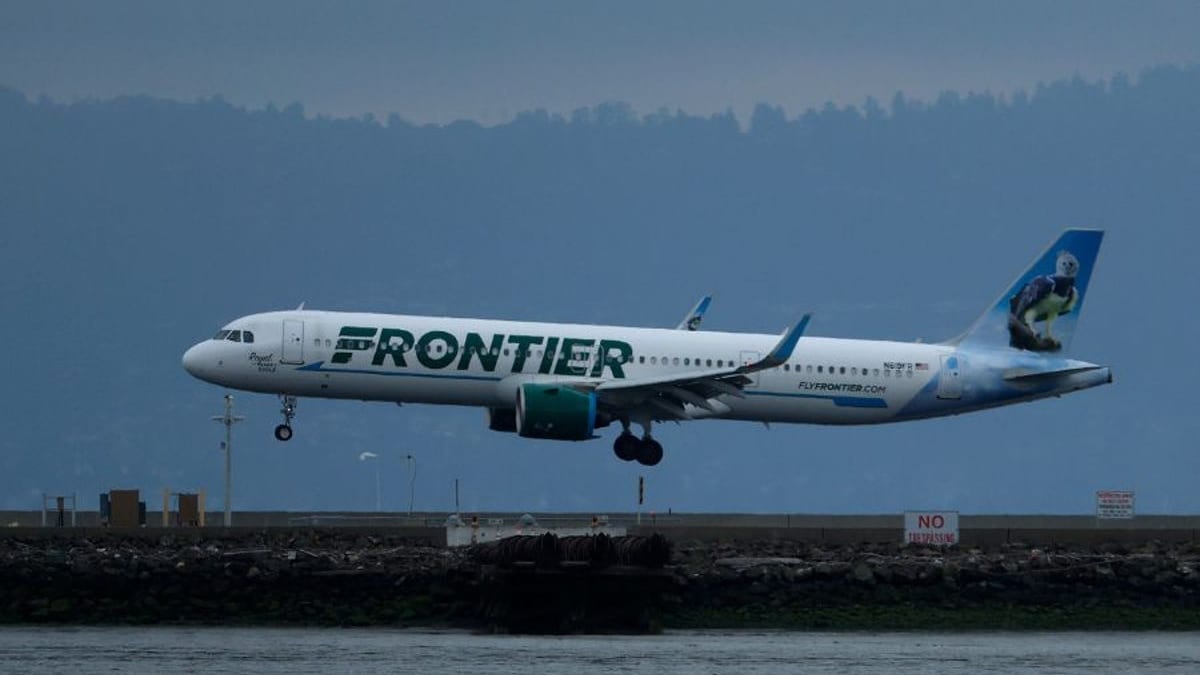
Image by The Independent News & Advice
Incident Unfolds After Landing in Atlanta
According to published coverage and aviation tracking discussions, the disturbance occurred on March 29, 2026, aboard Frontier Airlines flight 2539 from Columbus, Ohio, to Hartsfield Jackson Atlanta International Airport. The aircraft had already landed and was taxiing toward the terminal when the situation reportedly escalated, leading the crew to alert ground personnel to a potential security emergency.
Reports indicate that a male passenger seated near the front of the cabin began making alarming statements, including a threat to kill the woman seated beside him. The same passenger is also alleged to have claimed that he had a bomb on board the aircraft, triggering an elevated security classification for the incident.
Publicly available summaries of live air traffic control audio suggest that the pilots notified ground controllers of what was initially described as a high-level security threat. The aircraft was directed away from passenger terminals toward a remote area of the airfield, allowing first responders to stage an isolated response while other airport operations continued.
Passengers remained on board during the initial response as law enforcement and airport safety teams assessed the situation, in line with standard procedures for suspected bomb threats or serious threats of violence on commercial flights.
French-Speaking Passenger at Center of Allegations
Multiple accounts circulating in aviation forums and local news summaries describe the passenger at the center of the investigation as a French-speaking man seated in the premium portion of the cabin. Passengers and observers posting about the event noted that the communication challenges added tension to an already volatile situation, as cabin crew and other travelers reportedly struggled to understand and deescalate his remarks.
Commentary compiled from public flight-tracking communities suggests that the passenger’s alleged threats were both verbal and directed at a specific seatmate rather than generalized against the aircraft as a whole. The alleged bomb claim, combined with the reported threat to kill the nearby passenger, appears to have been the basis for treating the event as an imminent safety risk rather than a routine unruly behavior case.
Law enforcement personnel boarded the aircraft after it reached the remote stand and detained the individual for questioning. At this stage, publicly available information has not indicated that any explosive device was found, and there have been no reports of physical injury among passengers or crew.
While official charging documents had not yet been widely published at the time of writing, various news outlets and local reports describe the man as facing accusations related to making a bomb threat and threatening serious harm to another passenger, allegations that can carry significant federal and state penalties if substantiated.
Security Levels and Emergency Protocols in Focus
The Frontier incident has drawn renewed attention to the internal threat-level system used in commercial aviation. Public explanations from flight-operations professionals indicate that a serious verbal bomb threat combined with a credible threat of death or grave bodily harm to an individual can prompt crews to classify an event as a high-level security emergency, even when there is no visible weapon.
Online discussions among pilots and flight attendants describe how such reports typically lead to heightened responses from airport security, including isolating the aircraft, summoning specialized units, and preparing for a full evacuation if necessary. In this case, the decision to move the aircraft to a remote area of the airfield rather than to a regular gate appears consistent with those practices.
Recent years have seen several cases in which threats made in anger or under the influence, rather than actual weapons or devices, have still resulted in criminal charges. Legal analysts cited in earlier aviation security coverage note that bomb-related statements are often treated strictly, whether or not a device is ultimately discovered, because they require a full-scale response from law enforcement and can disrupt broader airport operations.
For airlines, each such incident also feeds into internal reviews of training and communication protocols, including how crew members identify credible threats, manage language barriers on board, and coordinate with air traffic control and airport security agencies during fast-moving situations.
Impact on Passengers and Frontier Airlines
Passengers on flight 2539 experienced extended ground delays as the investigation unfolded. Social media posts from travelers and airport observers described a large security and emergency-services presence around the isolated aircraft, as well as temporary disruption to some airfield movements while responders carried out their assessment.
Frontier Airlines has faced sustained public scrutiny over several high-profile passenger conduct and customer service incidents in recent years, and this latest report adds to a pattern of disruptive episodes attracting national attention. Aviation commentators point out, however, that serious in-flight threats remain rare when considered against the large number of flights the carrier operates across the United States every day.
Publicly available information shows that Frontier and other low cost carriers have worked to reinforce crew training on dealing with unruly behavior and potential security concerns, reflecting broader industry efforts supported by federal regulators and airport security agencies.
For many travelers, the Atlanta event serves as a reminder that even verbal threats can rapidly transform an otherwise routine short haul flight into a law enforcement matter, with consequences that extend far beyond missed connections and schedule disruptions.
Broader Questions Around Passenger Behavior and Legal Consequences
The allegations against the French-speaking passenger also highlight broader questions about passenger behavior, mental state, and the legal framework governing in-flight incidents. Public court records from previous aviation cases show that individuals accused of making bomb threats or threatening to kill others on aircraft have faced a combination of federal charges, local prosecutions, and long term bans from specific airlines.
Legal commentators have previously noted that prosecutors often emphasize the ripple effects of such threats on crew workload, fellow passengers, and airport resources, even when no physical harm occurs. The cost of diverting aircraft, pausing ground movements, and mobilizing bomb squads and tactical units can be substantial, and courts have in some cases ordered restitution for those expenses.
At the same time, discussions among aviation professionals and passenger advocacy groups point to the importance of assessing any underlying mental health or medical issues that may have contributed to extreme in flight behavior. Balancing accountability with appropriate treatment remains an ongoing challenge for the justice system in cases involving disruptive or threatening conduct in the air.
As investigations into the Atlanta Frontier flight continue, the case will likely be closely watched by airlines, regulators, and frequent travelers, both for any legal precedent it may set and for the insights it may offer into how carriers and airports manage serious verbal threats in a crowded and security sensitive environment.