

More news on this day
Passengers were left stranded at Ellington Jetty after an Interlink passenger vessel became blocked alongside the berth, disrupting scheduled sailings and highlighting the vulnerability of local maritime links to even short port-side interruptions.
Get the latest news straight to your inbox!
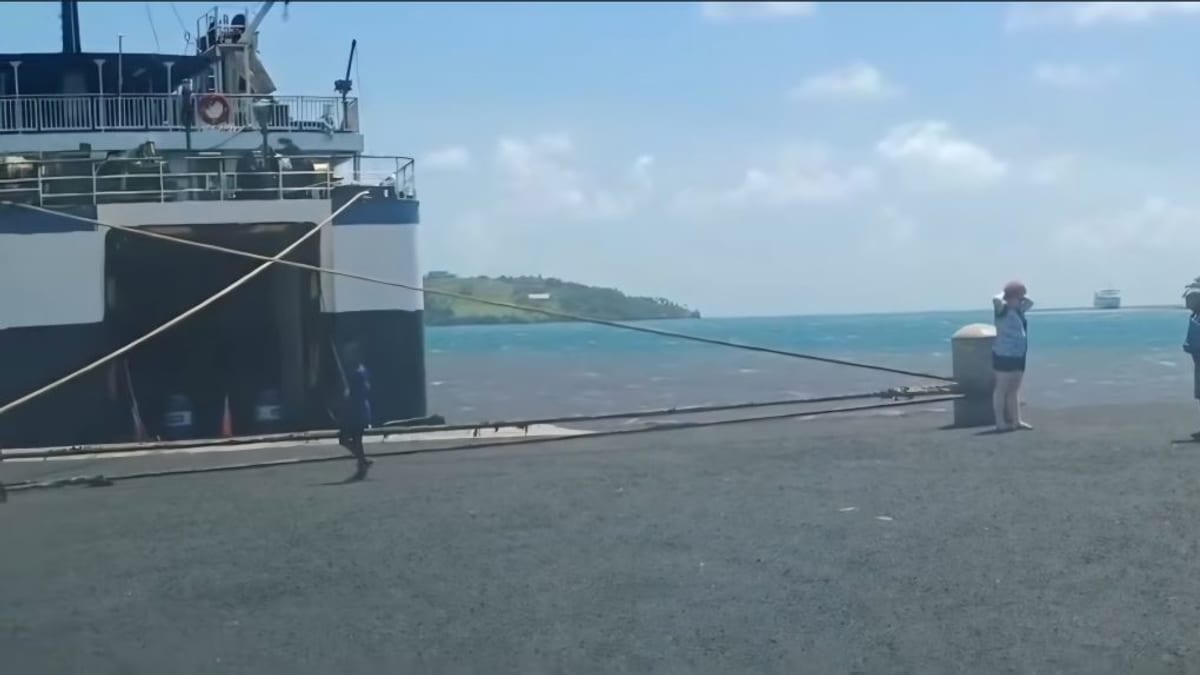
Image by The Fiji Times
Vessel Immobilised at Berth Disrupts Sailings
Reports from the scene indicate that an Interlink vessel operating from Ellington Jetty was unable to depart the berth as scheduled, effectively blocking the passenger facility and halting movements for subsequent services. Initial accounts suggest the vessel remained secured alongside while crews assessed the problem, with no indication of damage to the jetty structure itself.
Publicly available information points to a localised operational or technical issue rather than severe weather or navigational problems offshore. Similar port-side incidents in recent years in other regions have often involved propulsion faults, electrical issues, or complications with mooring and gangway equipment, any of which can temporarily immobilise a vessel while systems are checked and reset.
While the situation at Ellington appears contained within the confines of the jetty, the effect on passengers has been immediate, with those already checked in unable to sail and later departures facing uncertainty while the berth remains occupied. Visual accounts and local coverage describe queues forming along the waterfront as travellers wait for updates on revised departure times.
Stranded Passengers Face Delays and Limited Alternatives
The blockage at Ellington Jetty has left foot passengers and vehicle users in a difficult position, particularly those with onward connections or fixed accommodation bookings. With the Interlink vessel occupying the only practical passenger berth, there are few short term options to reroute traffic, and some travellers are reported to have remained on the quay for extended periods while the situation unfolded.
Travelers with tight itineraries such as onward flights, rail journeys, or tour departures are likely to face the greatest disruption. In similar ferry incidents elsewhere, missed connections have led to cascading travel changes, with passengers rearranging hotels, car rentals, and event bookings at short notice. The Ellington disruption appears to be following a familiar pattern in which relatively minor port-side problems create outsized impacts on tightly timed trips.
Local accommodation capacity and ground transport links are expected to come under pressure if the blockage continues into the evening or overnight period. In other ports facing unexpected hold ups, publicly available reports have described situations where nearby hotels quickly filled and taxi services struggled to keep pace with demand from stranded travellers seeking alternatives.
Operational Vulnerabilities at Smaller Jetties
The events at Ellington Jetty have drawn attention to the operational vulnerabilities of smaller passenger facilities that rely on a single main berth. When one vessel becomes blocked in place, other ships are often unable to dock or load, leaving operators with few options until the obstruction is cleared.
Industry case studies from other regions show that ports with limited berthing capacity are particularly exposed to this type of disruption. Even brief immobilisations can force schedule reshuffles and, in more serious cases, the temporary suspension of services. Without an alternative jetty or backup ramp nearby, operators must either keep passengers waiting or attempt diversions to more distant terminals, which may not be equipped to handle additional traffic at short notice.
Commentary from transport analysts in comparable situations has highlighted the importance of redundancy in critical passenger links. Where there is only one practical embarkation point, any failure at the berth, gangway, or on board a vessel can quickly ripple through the local transport network, affecting not just leisure travellers but also commuters, freight customers, and residents who rely on regular maritime connections.
Interlink’s Service Record and Passenger Expectations
The Ellington Jetty incident is likely to add scrutiny to Interlink’s service performance, particularly from regular users who expect reliable sailings on key routes. While serious maritime accidents are rare, minor mechanical or operational interruptions leading to delays and cancellations are not uncommon in ferry networks worldwide, and customers are increasingly vocal about the need for better reliability and communication.
Published coverage of past ferry disruptions in other markets has shown how quickly passenger sentiment can sour when information is slow or inconsistent. In several well documented cases, travellers left waiting at terminals for many hours have raised concerns about the timeliness of updates, clarity on rebooking options, and access to basic facilities such as seating, shelter, and refreshments during extended delays.
The Interlink brand at Ellington will now be judged not only on the technical response to the blocked vessel but also on how passengers experience the disruption. Clear announcements, practical alternatives where possible, and visible efforts to support vulnerable travellers typically play a significant role in how such incidents are remembered long after normal service resumes.
Next Steps for Port and Operator
Attention is now turning to how quickly the blocked vessel can be moved from Ellington Jetty and what measures might be taken to reduce the impact of similar events in future. In other ports facing comparable episodes, short term remedies have included deploying specialist tugs, bringing in engineering teams to resolve onboard faults, or arranging temporary use of alternative berths if water depth and access allow.
Longer term, the Ellington disruption is likely to feed into broader discussions about investment in maritime infrastructure, contingency planning, and fleet resilience. Studies of recent ferry incidents around the world have underlined the value of backup berths, interoperable gangways, and robust maintenance regimes as key tools for reducing unplanned downtime.
For now, passengers and local businesses dependent on the route are watching for confirmation of when the Interlink vessel will clear the jetty and when a full sailing schedule can resume. The episode at Ellington Jetty serves as a reminder that even routine port calls can become flashpoints for wider debate about the reliability and readiness of vital coastal transport links.