

More news on this day
Hundreds of passengers on a British Airways flight from London to Houston were forced to spend days on the remote Canadian island of Newfoundland after an emergency diversion left them unexpectedly stranded in freezing conditions, highlighting how quickly a routine transatlantic journey can unravel when disruptions strike far from major hubs.
Get the latest news straight to your inbox!
Medical Emergency Triggers Unplanned Landing
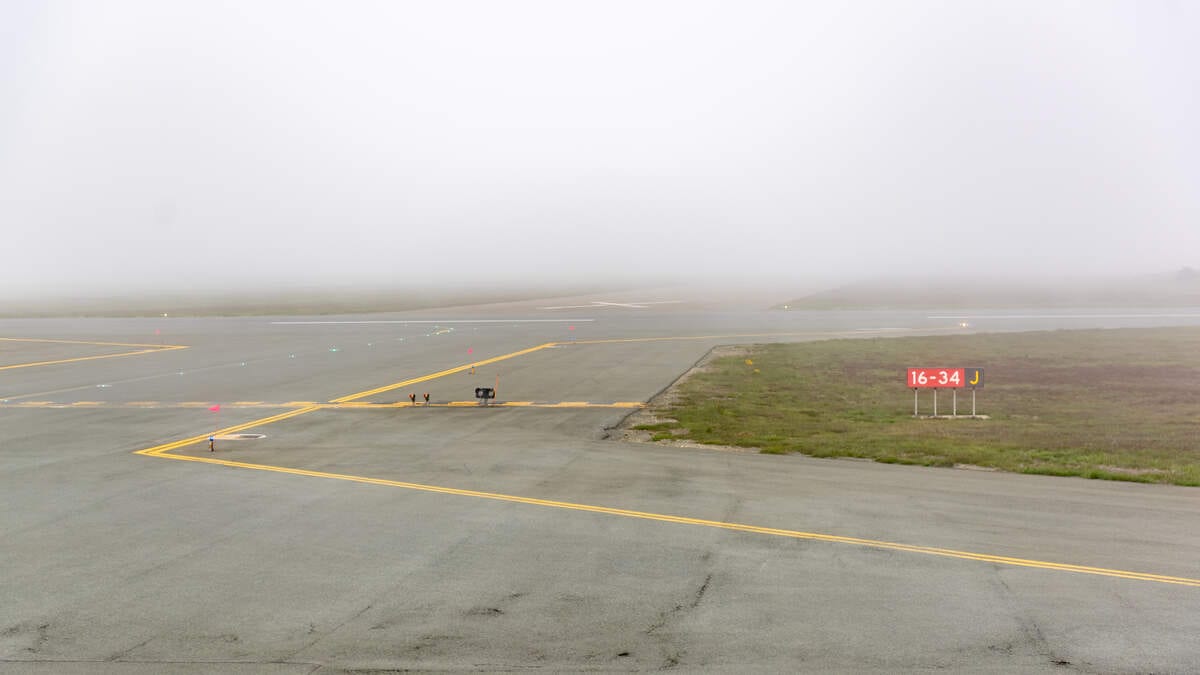
According to published coverage, the disruption began on March 31, 2026, when a British Airways service from London Heathrow to Houston was diverted across the North Atlantic following a medical emergency on board. The widebody jet, which had been tracking a standard great-circle route toward the southern United States, altered course toward St. John’s, a small provincial capital that serves as the primary gateway to the island of Newfoundland.
Publicly available information indicates that the diversion was consistent with long-haul protocols, which prioritize the fastest safe landing point when a passenger requires urgent care. St. John’s offers a runway long enough to handle large aircraft and sits well positioned along several North Atlantic tracks used by flights between Europe and North America.
Once on the ground, the medical situation was addressed and the affected traveler was transferred for treatment. For the hundreds of remaining passengers, however, the emergency landing marked the start of an entirely different ordeal, as the jet soon encountered technical and operational hurdles that would prevent a swift onward journey.
Reports from multiple outlets describe how the combination of the unplanned stop, aircraft checks and crew-duty limitations ultimately transformed a short diversion into a multi-day stranding on a sparsely populated island at the edge of the Atlantic.
Stranded In Sub-Zero Conditions With Limited Options
Coverage from international and local media describes passengers spending up to two days in Newfoundland as the airline worked to resolve aircraft issues and reposition resources to restart the trip. St. John’s, while a functioning commercial airport, is not a primary base for most major European carriers, and it offers fewer spare aircraft, on-site technicians or standby crews than a hub such as London or Toronto.
Reports indicate that temperatures around the diversion period hovered well below freezing, with late-winter conditions across the island amplifying the sense of isolation for travelers suddenly cut off from their original itinerary. Some accounts describe the setting as a “frozen” or “remote” island, language that underscores how unexpectedly stark the contrast can feel between a modern long-haul cabin and the reality of a windswept North Atlantic outpost.
Passengers were eventually transported to local hotels around St. John’s, where they waited for updates on aircraft repairs and new departure times. Publicly available accounts suggest that, during this waiting period, many travelers were unable to access their checked luggage, leaving them without cold-weather clothing or basic personal items while temperatures remained low.
The combination of cold, fatigue and uncertainty reinforced how quickly the practical challenges of a remote diversion can compound for several hundred people at once, especially when the local tourism infrastructure is geared toward gradual arrivals rather than a single planeload of unexpected guests.
Passenger Frustration Over Communication And Care
As the delay stretched from hours into days, coverage from travel and general news outlets highlights significant passenger frustration related to communication, welfare and perceived gaps in contingency planning. Several reports describe travelers expressing anger online about limited updates from the airline, unclear timelines, and confusion over when they would be able to reboard or be rebooked.
Publicly available information suggests that some passengers criticized the handling of basic needs during the disruption, citing difficulties obtaining meals at certain times, long queues for assistance, and inconsistent details about compensation. The lack of immediate access to baggage, including winter clothing and medication stored in checked bags, emerged as a particularly sensitive point for families and older travelers.
Travel-industry commentary notes that the situation in Newfoundland echoed previous high-profile diversion incidents in other remote locations, where airlines without a strong local presence have struggled to provide rapid support. In such scenarios, carriers rely heavily on airport partners and local hospitality providers to manage accommodation, catering and transportation for unexpectedly large groups.
While some accounts out of St. John’s emphasized the warmth and hospitality shown by local residents and hotel staff, the broader narrative among many travelers focused on a sense of being left in limbo, caught between operational constraints and limited information about what would happen next.
Why Remote Diversions Are So Complex
Aviation analysts and aviation-focused publications point out that medical diversions to remote or lightly served airports are an inherent risk of global long-haul flying. Aircraft crossing oceans and sparsely populated regions follow carefully designed routes that keep them within a specified distance of potential diversion fields, but those airfields often lack the maintenance facilities and staffing associated with major hubs.
Once a large jet lands in such a location, resolving subsequent technical snags can be far more complicated than in a major city. Additional maintenance personnel, tools or spare parts may need to be flown in on separate aircraft, while crew members are limited by legally mandated duty and rest rules. If the original crew times out, the airline must position replacement staff, which can add another layer of logistical difficulty.
Industry reporting also stresses that airports in remote areas often have only a small stock of hotel rooms, ground vehicles and catering capacity, all of which can quickly be stretched when an unexpected widebody arrival deposits hundreds of people at once. In winter, harsh weather can further complicate operations, affecting both runway conditions and the availability of regional flights that might otherwise help move passengers onward.
Consumer advocates who track such incidents argue that these constraints make proactive contingency planning essential. They point to a need for clearer guidelines on luggage access during long delays, standardized communication timelines and stronger cooperation agreements between airlines and smaller airports likely to receive diversions from popular long-haul corridors.
Broader Questions For Airlines And Regulators
The Newfoundland incident has prompted renewed discussion among travel observers about how carriers and regulators should balance safety, customer care and operational reality when large aircraft divert to remote locations. Safety protocols already place an absolute priority on landing quickly when faced with a medical emergency or technical concern, a principle that is widely supported across the industry.
However, as more ultra-long-haul flights cross polar routes and sparsely populated regions, consumer advocates and aviation commentators suggest that traditional disruption playbooks may no longer be sufficient. They highlight questions about whether current rules around passenger welfare, deplaning and duty-of-care obligations fully account for the challenges of remote diversions where replacement aircraft and crews are not readily available.
Travel analysts note that high-profile episodes, including the recent stranding in Newfoundland and earlier cases in Arctic airports and isolated island hubs, are increasingly shaping public perception of long-haul flying. While such events remain rare relative to the overall volume of flights, they tend to attract significant attention whenever images and first-hand accounts circulate widely on social media.
For now, the Newfoundland diversion serves as a stark illustration of how a single medical emergency can ripple outward into days of uncertainty for hundreds of people, exposing the fragile seams of a global aviation system that is highly efficient under normal conditions yet still vulnerable when disruptions occur far from its main centers of support.