

More news on this day
Hundreds of passengers traveling through Turkey faced hours of disruption as Pegasus Airlines and Gulf Air registered nine flight cancellations and more than 200 delays, snarling key routes through Istanbul and leaving many travelers seeking last minute alternatives.
Get the latest news straight to your inbox!
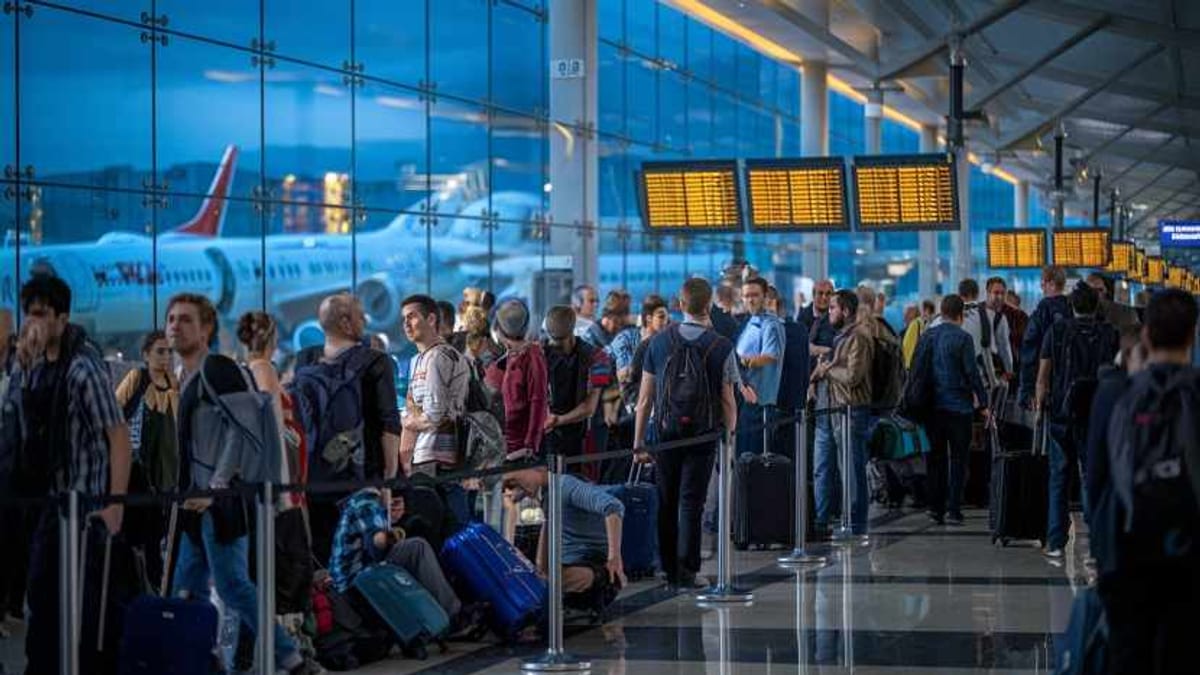
Image by Travel And Tour World
Major Disruptions on Istanbul’s Key Transit Corridors
The latest operational turmoil has centered on Istanbul, Turkey’s primary international gateway and one of Europe’s busiest transit hubs. Pegasus Airlines, headquartered at Istanbul Sabiha Gökçen Airport on the Asian side of the city, and Gulf Air, which links Istanbul with Bahrain and onward connections to Asia and the Middle East, both posted a cluster of cancellations and extensive delays across their networks.
Publicly available tracking data and traveler reports indicate that nine flights operated by the two carriers were cancelled in a short span, while more than 200 services experienced varying degrees of delay. Many of the affected flights involved Istanbul’s two main airports, Istanbul Airport and Sabiha Gökçen, amplifying the impact across domestic and international connections.
The timing proved particularly disruptive for passengers using Istanbul as a transfer point between Europe, the Middle East and Asia. With both carriers playing a significant role in regional connectivity, even a relatively small number of outright cancellations triggered wider knock-on effects throughout daily schedules.
Although Turkey’s aviation system has been under pressure for weeks due to regional instability and congested airspace, the density of delays within a single news cycle created a visible bottleneck for travelers and airlines alike.
Knock-On Effects for Domestic and International Travelers
The combination of cancellations and high volumes of delayed departures quickly cascaded through Pegasus Airlines’ extensive domestic network. The carrier is a key operator on routes linking Istanbul Sabiha Gökçen with major Turkish cities such as Ankara, Izmir and Antalya, as well as with secondary regional airports that rely on tight connection windows.
When delays mounted on international legs into Istanbul, passengers reported missed connections and rebookings that stretched into the late night and following morning. In practice, a single late arrival could ripple outward, forcing aircraft and crews to start subsequent flights behind schedule and further eroding on-time performance throughout the day.
International itineraries involving Pegasus and Gulf Air were especially vulnerable. Travelers connecting between Europe and Gulf destinations via Istanbul and Bahrain described prolonged waits, schedule changes and, in some cases, forced overnights when onward flights could not be guaranteed. For passengers without flexible tickets or clear guidance at the airport, this added extra accommodation and transport costs to an already stressful situation.
Families traveling at the start of the spring holiday period, as well as business travelers trying to maintain tight schedules, were among those hardest hit. The wide geographic spread of affected routes meant that disruptions were felt not only in Turkey but also in cities across the Middle East, the Caucasus, and parts of Europe.
Operational Strain Amid Regional Tensions
The recent wave of schedule issues has unfolded against a backdrop of broader operational strain in and around Turkey’s airspace. In late February and early March, heightened regional tensions led several carriers serving Turkey and nearby countries to alter or cancel selected services, particularly on routes crossing sensitive corridors in the Middle East.
For airlines like Pegasus and Gulf Air, which operate dense schedules across short and medium haul sectors, temporary airspace restrictions or reroutings can introduce longer flight times, crew duty complications and tighter turnaround margins. Even when official schedules remain intact, these pressures raise the likelihood that minor delays can snowball into major disruptions later in the day.
In Istanbul itself, the dual-airport system adds further complexity. Istanbul Airport on the European side and Sabiha Gökçen on the Asian side both handle heavy traffic volumes, and punctuality can quickly deteriorate when weather, congestion or operational issues coincide. When multiple carriers are contending with the same external pressures, passengers may see clusters of late departures and arrivals concentrated within a few peak hours.
According to published aviation analysis, Turkey’s role as a bridge between continents means that instability in surrounding regions often has an outsized effect on local operations. Airlines frequently need to revise routings, adjust crew rotations and manage aircraft availability at short notice, all of which can limit their ability to recover quickly from an unexpected wave of delays.
Passenger Experience: Long Queues, Missed Connections and Compensation Questions
As flights backed up at Istanbul’s terminals, travelers described long queues at airline service desks and packed gate areas while they waited for updates. Some passengers reported missed connections after inbound flights landed late, forcing them to negotiate rebookings onto later services or, in the case of same-day sold-out alternatives, to seek accommodation until the next available flight.
Published travel forums and social media posts from recent weeks already reflected growing frustration with compensation and support procedures for disrupted flights involving Turkish carriers. Incidents involving extensive delays, missed connections and difficulties accessing timely customer service have led many passengers to seek clarification on their rights under Turkish regulations and international conventions.
For those flying with Pegasus on itineraries touching the European Union, discussions have focused on whether EU consumer protection rules may apply, especially when delay or cancellation leads to significant arrival time changes or overnight stays. Travelers on Gulf Air, meanwhile, have highlighted challenges in obtaining prompt refunds or confirmation of schedule changes after flights were cancelled.
Consumer advocates encourage passengers affected by long delays or cancellations to retain all travel documentation, including boarding passes, booking confirmations and receipts for any out-of-pocket expenses. These records can be important when submitting claims under airline policies, national regulations or travel insurance coverage.
What Travelers Through Turkey Should Do Now
With Istanbul remaining a critical hub for travel between Europe, the Middle East and Asia, prospective passengers are being urged by travel advisers to plan for possible disruption while regional conditions remain fluid. Publicly available guidance recommends monitoring flight status closely in the 24 hours before departure, paying attention not only to final legs but also to any intermediate segments through Istanbul or Bahrain.
Travelers already booked on Pegasus Airlines or Gulf Air are advised to ensure that airline contact details and booking references are easily accessible, and to check for schedule changes through official channels as departure dates approach. In cases where travel is highly time sensitive, some passengers may prefer to build in longer connection windows or consider alternative routings that avoid the most affected corridors.
For those currently stranded or facing long delays in Istanbul or elsewhere in Turkey, local travel information suggests seeking assistance at airport customer service points and, where necessary, exploring accommodation options near the airport rather than attempting late night travel into city centers after significant delays. Many hotels around Istanbul’s airports cater to disrupted passengers and may offer flexible check-in arrangements.
As airlines work to stabilize operations and adapt to evolving conditions in surrounding airspace, further schedule adjustments remain possible. Travelers planning to transit Turkey in the coming days are therefore likely to benefit from a flexible approach to itineraries, clear documentation of any disruption they experience, and proactive communication with carriers and travel providers as the situation develops.