

Vatnajökull National Park is one of Europe’s great wilderness areas, a vast sweep of ice, volcanoes and black sand that covers more than 10 percent of Iceland. For a first-time visitor, its sheer size and remote feel can be both thrilling and overwhelming. This itinerary focuses on the park’s most accessible southern region and gives you a realistic, safety‑conscious plan for experiencing glaciers, waterfalls and iceberg lagoons in two to three days along the Ring Road.
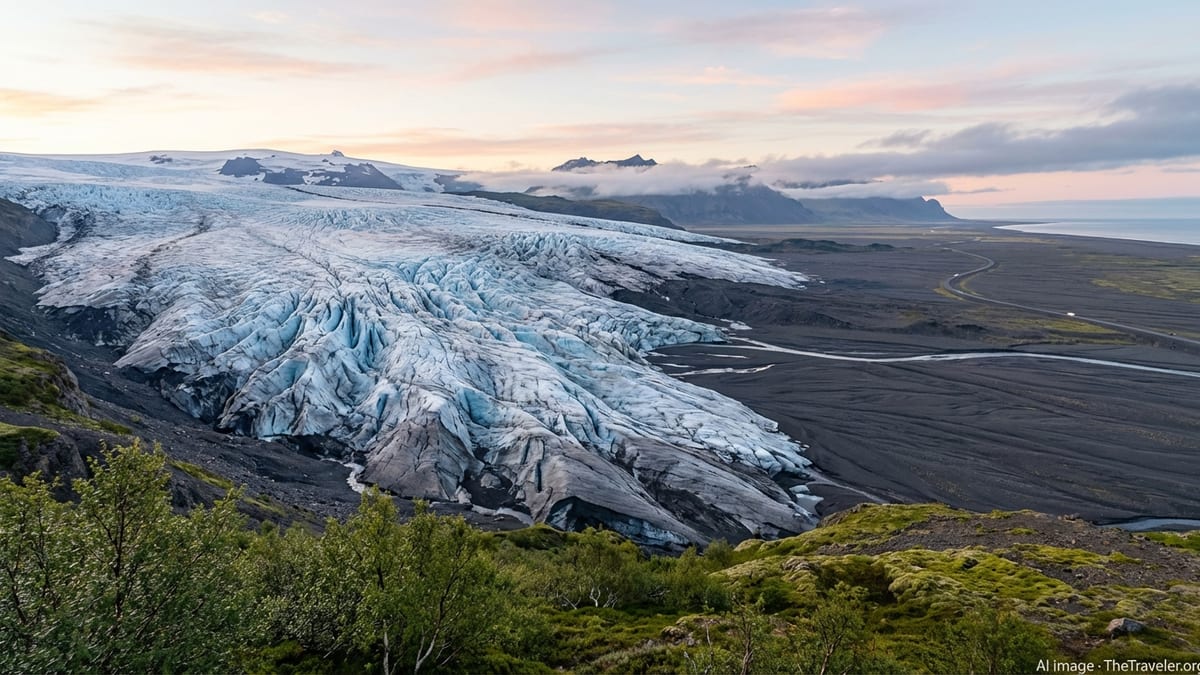
Understanding Vatnajökull National Park Before You Go
Vatnajökull National Park stretches across southeastern and central Iceland and includes the country’s largest glacier, active volcanoes, deep canyons and coastal plains. Established in 2008 and later recognized as a UNESCO World Heritage Site, it is managed as a protected wilderness area rather than a traditional resort destination. That means services are concentrated in a few hubs, while much of the interior remains rugged and difficult to access, especially for first-time visitors.
Most first-time travelers experience Vatnajökull from the south, along Iceland’s Route 1. This section of the park is anchored by Skaftafell, a former national park that is now one of Vatnajökull’s main visitor hubs, and by the glacier lagoons west of the town of Höfn. Distances are long but manageable: Skaftafell is roughly a four to six hour drive from Reykjavík in good weather, and Jökulsárlón Glacier Lagoon lies about an hour beyond Skaftafell by car. These two bases provide enough infrastructure, marked trails and guided tours for a memorable two or three day stay.
The park itself is open year-round, but visitor centers operate on seasonal hours and some roads or hiking routes may close temporarily due to snow, flooding or trail damage. The Skaftafellsstofa visitor center at Skaftafell is typically open through all seasons with longer hours in summer. Staffing by park rangers is strongest in the warmer months, when they also run free interpretive walks that help visitors understand the changing glaciers and local ecology.
Weather and conditions in Vatnajökull can shift quickly, even in high summer. Wind, rain and fog are common, and parts of the park sit beneath active volcanic systems that periodically affect river flows and roads. Travelers should treat official websites for weather and road conditions as their primary planning tools and be prepared to adjust their itinerary on short notice. Flexible expectations and a conservative approach to driving and hiking are essential for a safe first trip.
When to Visit and How Many Days You Need
Choosing the right season for your first visit will shape everything from what you can see to how you get around. For most travelers focused on the southern region, June through early September offers the best combination of accessible trails, long daylight hours and relatively mild temperatures. In this period, the lowland hiking routes around Skaftafell are usually open, ice-free and clearly waymarked, and boat tours on the glacier lagoons operate on regular schedules. Accommodation and campsites are busy, so advance booking is important.
Shoulder months in late spring and early autumn can be rewarding for travelers willing to accept more changeable weather. Trails may still be muddy or partially snow covered in late April and May, and some higher routes remain closed to protect sensitive ground. By late September, brighter autumn colors arrive but daylight shrinks quickly and storms become more frequent. Winter from roughly October to April is dominated by snow and short days, but it is also when natural ice caves form within some glacier tongues and when the northern lights are occasionally visible over the park, provided the skies are clear.
For a first-timer exploring Vatnajökull as part of a larger Iceland trip, two full days in the park’s southern sector is a realistic minimum. That allows time for a structured glacier activity, either a guided hike or ice cave tour depending on season, plus visits to Skaftafell’s signature waterfalls and viewpoints and at least one glacier lagoon. Stretching the stay to three days gives space for slower hiking, a second guided excursion or a weather buffer, which can be invaluable if strong winds or heavy rain make one day less usable.
Because the park lies several hours from Reykjavík, many visitors weave this itinerary into a longer Ring Road journey, staying overnight near Skaftafell and near Jökulsárlón or Höfn. For drivers on a tighter schedule based in Reykjavík, a long two day there-and-back trip is possible but demanding. In those cases, a small group tour may reduce stress by bundling transport, guiding and safety oversight, though at the cost of flexibility.
Getting There, Park Access and Safety Basics
Reaching Vatnajökull’s southern gateway is straightforward in stable weather but still requires respect for Icelandic road conditions. Most visitors arrive by rental car, following Route 1 east from Reykjavík through the South Coast. The journey passes well-known waterfalls and black sand beaches before the landscape opens into the vast outwash plains of Skeiðarársandur, created by glacier floods. From Reykjavík to Skaftafell is roughly 370 kilometers, and onward to the glacier lagoons adds about 60 kilometers more. Fuel stations become less frequent east of the village of Vík, so topping up the tank whenever possible is wise.
Seasonal buses operate between Reykjavík and the southern Vatnajökull area, typically stopping at Skaftafell and Jökulsárlón. Schedules are more generous in summer and limited in winter, so independent travelers relying on public transport need to match their accommodation choices and tour times carefully. A number of tour operators also offer longer day trips and multi-day packages along the South Coast with guided stops in the park, which can be an attractive option for visitors who do not wish to drive in unfamiliar conditions.
Once inside the park, access to viewpoints, short trails and parking areas is usually on paved or well-maintained gravel roads. Some interior routes, particularly highland F-roads leading toward the central volcanoes and remote valleys, are only open in summer and require four-wheel drive vehicles as well as experience with river crossings. These areas are not recommended for most first-time visitors and are better experienced on specialized superjeep tours with professional drivers.
Safety standards within Vatnajökull are high but depend heavily on visitor behavior. Glaciers, ice caves and braided glacial rivers are inherently unstable environments. Park authorities and local search and rescue teams consistently advise that travelers avoid stepping onto glacier ice or entering ice caves without certified guides and proper equipment. In recent years, regulations for commercial ice cave tours beneath Vatnajökull have tightened, requiring daily risk assessments and closer oversight after serious incidents. First-time visitors should see these tours not as optional extras but as a responsible way to experience the glacier while minimizing personal risk.
Day One: Skaftafell’s Trails, Waterfalls and Glacier Views
Begin your Vatnajökull itinerary at Skaftafell, a green oasis framed by outlet glaciers spilling down from the ice cap. This former national park is now one of Vatnajökull’s best organized visitor areas, with a year-round campsite, seasonal services and the Skaftafellsstofa visitor center. Make this your first stop to collect maps, check current trail conditions and ask rangers for advice that reflects the day’s weather and your fitness level.
From the visitor center, a network of marked trails fans into the surrounding hillsides. One of the most rewarding for first-time visitors is the path to Svartifoss, a waterfall dropping over striking basalt columns. The route involves an uphill climb on a well-maintained path and typically takes around one to two hours return, depending on whether you extend the walk to additional viewpoints and old turf farm ruins. Even in busy periods, the atmosphere quickly becomes more peaceful once you leave the parking area, and the views toward the glaciers and the distant sandur are impressive.
Travelers with a full day available at Skaftafell can combine Svartifoss with higher viewpoints such as Sjónarnípa, which offers a sweeping look over the Skaftafellsjökull glacier tongue. This longer circuit requires more climbing and stamina but remains within the capabilities of many active visitors in good weather. For those who prefer gentler walking, shorter interpretive loops near the visitor center provide insight into local flora, geology and human history without major elevation gain.
End your first day with a walk toward the snout of Skaftafellsjökull on designated paths or by revisiting the visitor center’s exhibitions to better understand what you have seen. In the height of summer, ranger-led walks may be available and are usually free of charge, focusing on topics such as melting glaciers and climate impacts. Spending the night at the Skaftafell campsite or in nearby guesthouses keeps driving to a minimum and sets you up well for the glacier-focused activities of day two.
Day Two: Guided Glacier Adventure and Jökulsárlón Lagoon
The second day of this itinerary centers on two of Vatnajökull’s most iconic experiences: safely stepping onto the ice with a guide and watching icebergs drift past on the edge of the Atlantic. Which activity you tackle first depends on the timing of your tour bookings and the season. It is wise to schedule the glacier experience earlier in the day when energy levels are higher and weather conditions are often more stable.
Several licensed operators run guided glacier hikes on accessible outlets of Vatnajökull, such as Falljökull or Svínafellsjökull, departing from meeting points near Skaftafell or along Route 1. A typical introductory hike lasts between two and four hours and includes basic instruction, crampons, helmets and the supervision of a trained guide. Participants learn how to walk on ice, peer into crevasses from safe distances and observe the ever-changing surface of the glacier. In winter, some tours focus instead on reaching natural ice caves that form seasonally within certain glacier tongues, with stricter safety rules and smaller group sizes.
After returning from the glacier, drive east along the Ring Road toward Jökulsárlón Glacier Lagoon. Here, icebergs that have calved from the Breiðamerkurjökull outlet of Vatnajökull drift through a broad, milky-blue lagoon before floating out to sea. The scene is constantly changing as new ice breaks from the glacier front and older bergs melt or tip. Seals are often visible resting on ice floes or swimming among the bergs, particularly in quieter corners of the lagoon.
Visitors can appreciate Jökulsárlón simply by walking along its shores and watching the slow movement of the ice. For a closer view, amphibious boat trips and smaller zodiac tours operate during the main visitor season, typically from spring to autumn. Zodiac outings, in particular, can spend longer reaching the glacier front and navigating among sculpted icebergs, although exact routes and durations vary and are subject to safety conditions. Across the road from the lagoon, waves wash smaller fragments of ice onto a stretch of black sand often called Diamond Beach, creating a striking contrast in certain light.
Allow at least half a day to explore Jökulsárlón and its neighboring smaller lagoons, such as Fjallsárlón, which offers a quieter, more intimate feel. Many travelers choose to overnight near the lakes or continue on to the fishing town of Höfn for broader accommodation and dining options. If the forecast suggests clear skies and you are visiting in the darker months, staying nearby also gives a chance, though never a guarantee, of seeing the northern lights flicker over the ice cap and lagoons.
Optional Day Three: Northward Canyons or Highland Edges
Travelers with a third day to spare can either slow their pace in the southern sector or venture farther to taste another face of Vatnajökull. One popular extension, especially in summer, is to drive north toward the Jökulsárgljúfur canyon region, where the powerful waterfall Dettifoss and the horseshoe-shaped Ásbyrgi canyon showcase the park’s river-carved landscapes. This is a longer detour that works best as part of a broader Ring Road circuit rather than a quick out-and-back from Skaftafell, as the driving time from the southeast to the northeastern gateways is substantial.
Another option, often arranged through specialized tour companies, is to explore the fringes of the highlands around Vatnajökull in a superjeep. These trips may approach remote volcanoes or caldera lakes, depending on road openings and current conditions. While the scenery is remarkable, these excursions are weather sensitive and demand flexibility. They can be a powerful experience for those who feel comfortable trusting an experienced driver and accepting that last-minute route changes may be necessary for safety.
If you prefer to remain in the south, using a third day to revisit Skaftafell’s trails at a slower pace, join a second guided glacier or lagoon activity or simply rest after long driving days can be just as satisfying. The scale of the ice cap and the surrounding plains means views change constantly with light and cloud cover, so returning to the same viewpoint on different days rarely feels repetitive. A more relaxed final day also builds in a margin for unexpected weather disruptions, which are common enough in Iceland that no first-time itinerary should be considered completely fixed.
Whatever you choose for this optional day, make sure you leave generous time to return to your next base, whether that is Reykjavík, the Eastfjords or the north. Distances in Iceland are often underestimated when viewed on a map, and lingering at viewpoints or slowing for sudden weather reduces average speeds. Ending your Vatnajökull visit without rushing helps preserve the sense of spaciousness and calm that defines this corner of Iceland.
Practical Tips for First-Time Visitors
Success on a first trip to Vatnajökull depends as much on preparation and attitude as on any specific sight. Packing layers is essential, with a focus on windproof and waterproof outerwear, insulating mid-layers and sturdy footwear with good grip. Even in high summer, chilly winds off the glacier and sudden showers are common. A light hat and gloves, sunglasses and sunscreen all earn their place in a daypack alongside snacks, water and a fully charged phone.
Driving requires particular care. Speed limits on paved roads may seem generous, but strong crosswinds, gravel stretches, single-lane bridges and sudden stops for views or animals all reduce safe travel speeds. Checking road condition updates before setting out each day and adjusting plans if high winds or ice are forecast helps avoid stressful situations. When in doubt, err on the side of shorter distances and more time spent walking or on guided activities rather than pushing across long stretches of road late in the day.
On the trails, staying on marked routes protects both you and fragile ground. In early season especially, some paths may be closed to prevent erosion when snowmelt saturates the soil. Respecting signs, following ranger advice and turning back when visibility or footing deteriorate are signs of good judgment rather than failure. Mobile coverage along Route 1 and around Skaftafell is generally adequate, but it becomes patchier in remoter sections of the park, reinforcing the value of letting someone know your plans before heading out on longer walks.
Perhaps most importantly, treat guided experiences with seriousness. Whether joining a short glacier walk, a full-day hike or a boat tour, listen carefully to safety briefings and do not pressure guides to take unnecessary risks, particularly near glacier fronts or in ice caves. Recent tightening of rules around ice cave tours reflects both the popularity of these experiences and the real hazards posed by shifting ice. Choosing reputable operators, booking ahead in busy seasons and accepting cancellations or modifications due to conditions are all part of traveling responsibly in Vatnajökull.
The Takeaway
Vatnajökull National Park rewards first-time visitors who balance ambition with realism. Its glaciers, waterfalls and iceberg lagoons offer some of Iceland’s most dramatic scenery, yet the park still feels like a functioning wilderness rather than a theme park. By concentrating on the more accessible southern region, building in time for both structured activities and unscripted moments at viewpoints and respecting the region’s volatile weather, you can craft a two or three day visit that feels both adventurous and manageable.
In the end, what makes a trip to Vatnajökull memorable is not just ticking off famous names like Skaftafell and Jökulsárlón but developing a sense of connection to this evolving landscape. Watching cloud shadows race across the ice cap, hearing the distant crack of calving glaciers or walking beside braided rivers born deep within the volcano-studded interior leaves lasting impressions. For many travelers, that first carefully planned visit becomes the beginning of a longer relationship with Iceland’s highlands and ice, inspiring future journeys deeper into the national park’s quieter corners.
FAQ
Q1. How many days should a first-time visitor spend in Vatnajökull National Park?
Most first-time visitors are well served by spending two full days in the park’s southern region, with a third day added if your schedule allows. Two days typically cover Skaftafell’s main trails, a guided glacier activity and a visit to at least one glacier lagoon, while a third day gives you flexibility for weather or a second excursion.
Q2. Do I need a guided tour to go on the glacier or into ice caves?
Yes, for safety reasons it is strongly recommended that visitors only step onto glacier ice or enter ice caves with certified guides and proper equipment. Glaciers and caves are inherently unstable, and local regulations and industry standards have tightened in recent years to reduce risks. Independent travel on the ice is not appropriate for most first-time visitors.
Q3. Is Vatnajökull National Park suitable for families with children?
Many parts of the park, especially around Skaftafell and the glacier lagoons, are suitable for families. There are short, well-marked trails, ranger-led walks in summer and easily accessible viewpoints. Parents should still supervise children closely near water, steep drops and any icy surfaces, and choose guided activities that accept younger participants.
Q4. Can I visit Vatnajökull in winter as a first-time visitor?
It is possible, but it requires more preparation and flexibility. Winter brings snow, ice and very short daylight hours, which affect driving and hiking. On the other hand, winter is when natural ice caves are usually accessible through guided tours, and there is a chance of seeing the northern lights if conditions are right. Many first-time visitors prefer to come in late spring or summer and return in winter later.
Q5. Do I need a four-wheel drive vehicle to reach Skaftafell and Jökulsárlón?
In summer, the main route to Skaftafell and Jökulsárlón along Route 1 is usually passable in a regular two-wheel drive car, provided you drive carefully and follow current road advice. Four-wheel drive becomes more relevant in winter conditions and is required for highland F-roads, which most first-time visitors do not need to use.
Q6. Are there entrance fees for Vatnajökull National Park?
Entry to the national park itself is generally free, but parking fees may apply at popular sites such as Skaftafell and the glacier lagoons. Guided activities like glacier hikes, ice cave tours and boat trips carry additional costs that vary by operator and season. It is wise to factor these into your overall budget.
Q7. What kind of clothing and gear should I pack?
Plan on a layered system of clothing, including a moisture-wicking base layer, insulating mid-layer and waterproof, windproof outer shell. Sturdy hiking shoes or boots with good traction are important for uneven and sometimes slippery terrain. Add a hat, gloves, sunglasses, sunscreen and a small daypack for water and snacks. Specialized gear such as crampons and helmets is usually provided on guided glacier tours.
Q8. Can I camp inside Vatnajökull National Park?
Yes, camping is possible in designated areas such as the campsite at Skaftafell, which operates year-round subject to conditions. Facilities typically include toilets and sometimes showers, with additional services in the main summer season. Wild camping outside designated areas is restricted, so it is important to follow current park regulations and signage.
Q9. How busy does the park get in peak season?
In summer, especially in July and August, popular spots like Svartifoss and Jökulsárlón can feel busy at midday. Visiting early in the morning or later in the afternoon often provides a calmer experience. Booking accommodation, car rentals and guided tours well in advance is strongly recommended for peak dates to avoid disappointment.
Q10. Is it possible to visit Vatnajökull as a day trip from Reykjavík?
It is technically possible but involves a very long day with many hours of driving each way. Organized tours do offer such itineraries, usually focusing on a few key sights rather than an in-depth visit. For a more relaxed and rewarding first experience, spending at least one or two nights closer to the park is preferable.