

More news on this day
Travelers heading to and from Peru are facing fresh disruption as a cluster of cancellations on routes operated by LATAM Airlines, its former LAN-branded operations, and United Airlines has grounded at least 14 flights, disrupting itineraries across Lima, Cusco, Arequipa, Trujillo, Houston and several regional hubs, according to published operational data and recent media coverage.
Get the latest news straight to your inbox!
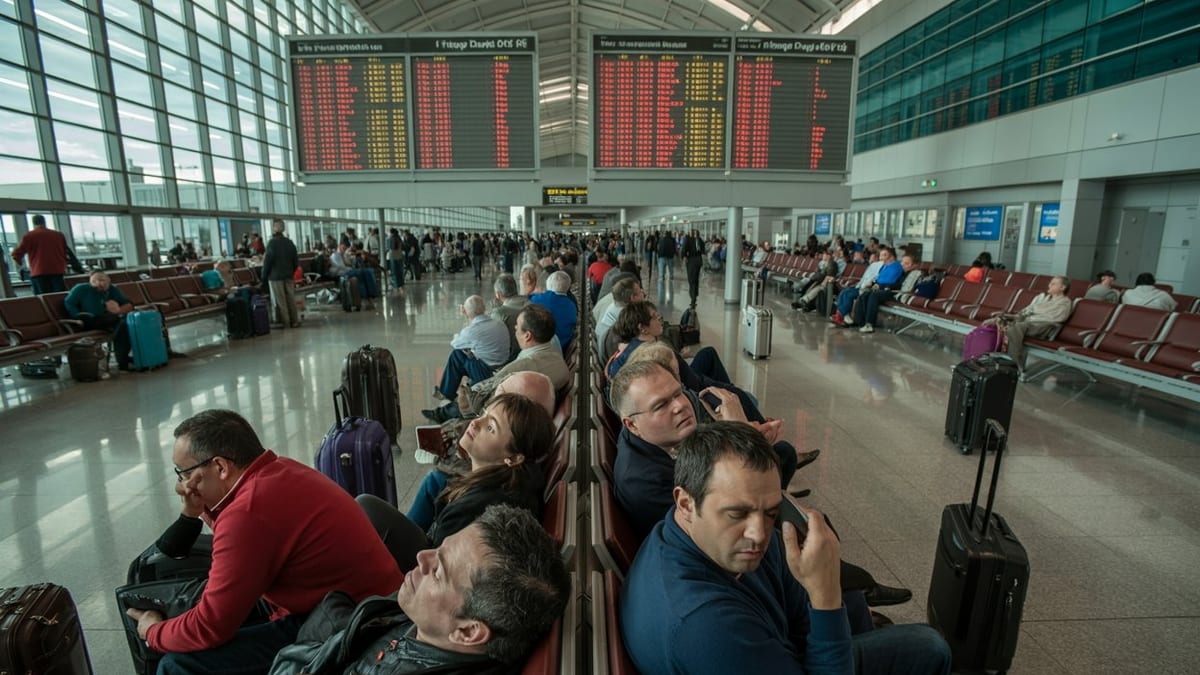
Image by Travel And Tour World
What Is Happening on Peru Routes Right Now
Publicly available schedules and flight-status boards reviewed on March 29 indicate that a mix of domestic and international services touching Peru have been cut, with around 14 cancellations concentrated over a short window. Disruptions are centered on key Peruvian gateways such as Lima, Cusco, Arequipa and Trujillo, alongside at least one long-haul link to Houston operated by United Airlines.
Reports from traveler forums and aviation tracking platforms show that the cancellations are not confined to a single airline or route. LATAM Airlines Peru, which absorbed the former LAN Peru brand under the broader LATAM group, appears to have pulled several intra-Peru services at short notice, while United has scrubbed select flights on its Lima network, including services that provide vital connections to and from the United States.
Operational patterns suggest that most of the affected flights were scheduled during peak travel periods, including early-morning departures from Lima to Cusco and Arequipa and evening bank connections designed to feed long-haul services. That timing maximizes the knock-on effect, leaving many passengers stranded in transit or arriving significantly later than planned.
While individual carrier statements remain limited, industry coverage and real-time data point to a combination of operational and regional factors driving the disruption rather than a single, clearly defined incident.
Airlines Involved: LAN, LATAM and United
The bulk of the affected domestic Peru flights are operated by LATAM Airlines Peru, the local arm of the region’s largest carrier. Although the LAN brand has been phased out commercially, many travelers and third-party systems still reference the older name, which can add confusion when cancellations appear under varying designations in search tools and tracking apps.
LATAM maintains one of the densest domestic networks in Peru, linking Lima with Cusco, Arequipa, Trujillo and other cities with multiple daily frequencies. When several of those rotations are withdrawn, even temporarily, spare capacity on remaining flights tightens quickly, limiting same-day rebooking options for travelers who need to reach key destinations such as the Sacred Valley or southern Peru.
United Airlines plays a crucial role on the international side, particularly on routes linking Lima with Houston and other U.S. hubs. Publicly accessible information on schedule changes and waivers shows that United has been periodically adjusting its operations around Houston in March, including flexibility policies that cover a range of dates and itineraries. For passengers relying on a single daily connection between Lima and the United States, the cancellation of even one flight can unravel complex multi-leg journeys involving onward connections to North America, Europe or Asia.
Other regional and interline partners are indirectly affected, as they depend on LATAM and United feed through Lima to maintain connectivity across South America. When those links falter, through-tickets issued by multiple carriers can fall out of sync, leading to missed connections and additional rebooking work.
Possible Causes Behind the Cancellations
As of March 29, there is no single, widely reported trigger that fully explains the cluster of cancellations on Peru routes. Instead, publicly available information points to a confluence of issues that have been pressuring airline operations across the region and beyond throughout March.
First, global aviation has been dealing with widespread knock-on effects from airspace restrictions in parts of the Middle East and shifting traffic patterns on long-haul routes. While Peru is geographically distant from those closures, airlines often reassign aircraft and crews to cover the most commercially critical markets, which can leave some secondary routes with thinner operational buffers and more vulnerability to crew shortages or maintenance bottlenecks.
Second, Peru itself has been facing infrastructure and resource strains this year, including weather-related challenges and broader economic pressures noted in local reporting. These conditions can translate into tighter turnaround times and increased sensitivity to minor delays at busy airports such as Lima, where runway congestion and ongoing modernization work have periodically disrupted operations in recent years.
Finally, airlines including United have been operating under a series of rolling travel waivers and schedule adjustments tied to storms, congestion and other factors at U.S. hubs. When those disruptions intersect with already tight transcontinental schedules, long-haul links to markets like Peru can be particularly exposed, especially on days when only one or two departures are planned.
Routes and Travelers Most Affected
The routes drawing the most attention from traveler reports are the heavily trafficked domestic corridors that underpin Peru’s tourism economy. Lima to Cusco remains the primary air bridge for visitors heading to Machu Picchu and the Sacred Valley; any cancellations on those early morning and late afternoon flights can jeopardize tightly planned itineraries that include rail connections, guided tours and nonrefundable accommodation.
Lima to Arequipa and Lima to Trujillo are also highly sensitive from a business and regional mobility standpoint. These cities function as commercial and cultural hubs in southern and northern Peru, and reduced capacity can quickly push fares upward on remaining flights while limiting options for residents who rely on air travel for medical appointments, education and work.
On the international side, the Lima to Houston route plays a strategic role for long-haul connectivity. Houston is a major gateway for United, feeding traffic from Peru into the broader U.S. network and onward to Europe and Asia. A canceled Houston service can leave travelers with long overnight layovers, forced reroutes via alternative hubs or complete date changes when seats are scarce.
Multi-stop itineraries combining domestic Peruvian sectors with same-day international departures are particularly exposed. Travelers flying, for example, Cusco to Lima to Houston or Arequipa to Lima to a U.S. hub face a heightened risk of misconnection when the first segment of their journey is canceled or significantly delayed.
What Impacted Passengers Can Do Now
For travelers whose flights have already been canceled, the immediate priority is to secure a confirmed alternative itinerary. Published guidance from airlines and consumer-rights organizations consistently stresses the importance of checking flight status frequently on the day of travel and using official airline apps or airport information displays to confirm gate and departure times before heading to the airport.
Where cancellations occur, many carriers offer same-day rebooking on the next available flight, subject to seat availability. In periods of wider disruption, however, remaining services can fill quickly. Passengers holding tickets on LATAM or United on affected Peru routes may wish to explore nearby alternative dates or routings via other hubs, such as connecting through additional South American or U.S. cities, if such options appear in booking tools.
Travelers should also review their rights under the applicable jurisdiction. While Peru and the United States do not follow the same compensation frameworks as the European Union, publicly available consumer guidance notes that airlines often provide meal vouchers, hotel stays or other assistance in cases where disruptions are within the carrier’s control and result in overnight delays. The precise level of support varies, so passengers are advised to keep all receipts related to extra expenses in case partial reimbursement is later offered.
Looking ahead, those with upcoming trips involving Lima, Cusco, Arequipa, Trujillo or Houston may want to build additional buffer time into connections and consider scheduling key excursions at least a full day after their planned arrival. Industry observers note that global networks remain sensitive to disruption, and routes to and from Peru are currently no exception.