

More news on this day
Peru is entering 2026 with growing international recognition as one of the world’s most beautiful countries, outperforming several long-established tourism giants in recent rankings and awards that spotlight its landscapes, culture and cuisine.
Get the latest news straight to your inbox!
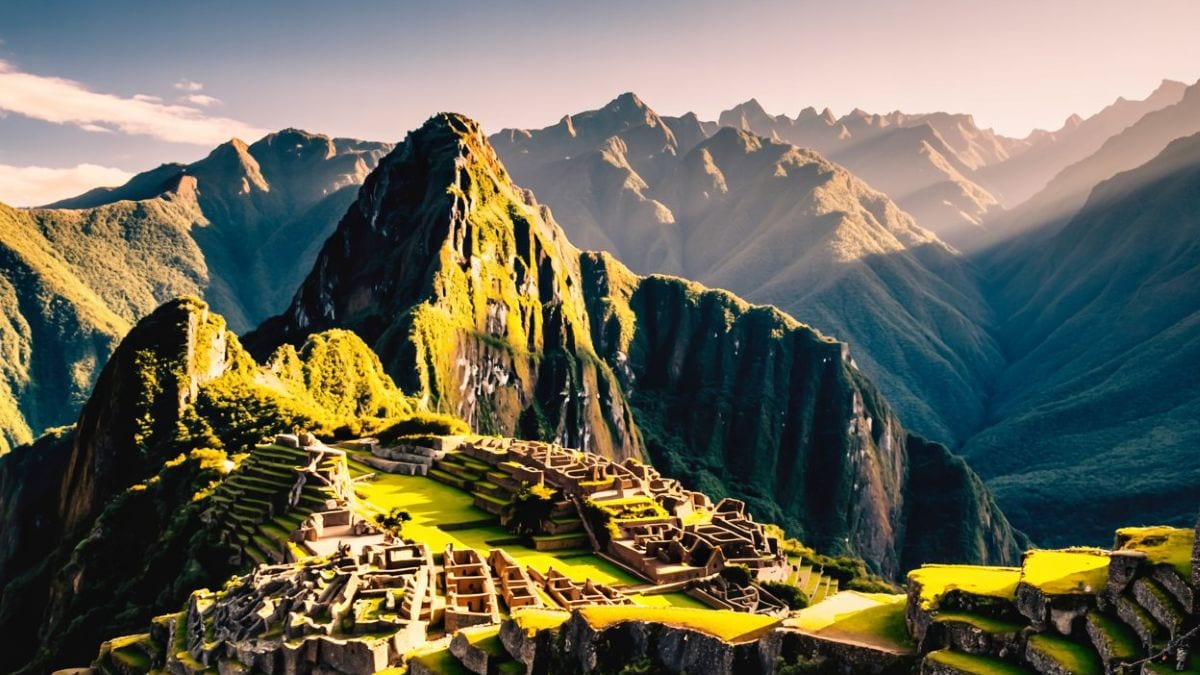
Image by Travel And Tour World
Global Rankings Put Peru Among the World’s Most Beautiful Destinations
Recent international lists focused on scenic destinations have helped move Peru firmly into the top tier of the world’s most beautiful countries. Travel magazine Condé Nast Traveler included Peru among its 40 most beautiful countries to visit, highlighting the country’s combination of high Andean peaks, desert coastlines and Amazon rainforest as a rare concentration of dramatic landscapes within one national border. Published coverage of the feature underlines Machu Picchu, the Colca Canyon and the Paracas National Reserve as emblematic sites that represent this diversity.
Peru has also climbed broader “best countries to visit” rankings that weigh natural beauty alongside culture, food and travel experience. A 2024 analysis by CEOWORLD magazine, designed as a guide for 2025 travel decisions, placed Peru in the global top ten of countries to visit in a lifetime, ahead of numerous classic European and North American destinations often associated with postcard scenery. The scoring considered overall visitor appeal, reinforcing the way Peru’s visual drama converts directly into tourism interest.
Consumer surveys of travel desire show a similar pattern. Research published in late 2025 and early 2026 on traveler preferences and perceptions consistently places Peru among the countries most frequently cited for natural beauty, often mentioned in the same conversation as New Zealand, Canada, Japan and Switzerland. That shift in perception is gradually repositioning Peru from a niche adventure stop to a mainstream “bucket list” country.
While different rankings use varying methodologies, the convergence of lists and reader polls signals a broader trend. Peru is no longer presented only as the home of Machu Picchu but as a country whose overall landscapes compare with the world’s most renowned scenic destinations, and in some cases surpass them in terms of variety within a relatively compact territory.
A Landscape That Outrivals Iconic Competitors
One factor driving Peru’s rise in beauty rankings is its sheer geographical complexity. Scientific and environmental reports point out that Peru spans a remarkable range of eco-regions, from the Pacific coastline and the coastal desert to the Andean cordillera and the Amazon basin. Analysts note that Peru concentrates an unusually high number of distinct ecosystems compared with many countries that traditionally dominate “most beautiful” lists.
Travel coverage often contrasts this variety with destinations known for a single outstanding landscape type. While countries such as the Maldives are celebrated for beaches or Switzerland for alpine scenery, Peru offers snow-capped peaks, high-altitude lakes, cloud forests, deep canyons, tropical lowlands and stark coastal deserts within a single itinerary. This range has led some design and travel publications to describe Peru as one of the most geographically extraordinary nations in the Americas.
Regional comparisons amplify that reputation. A widely shared feature attributed to Architectural Digest in 2025 characterized Peru as the most beautiful country in Latin America, citing both dramatic geography and the way human settlements are woven into the landscape. That framing places Peru above other photogenic regional destinations such as Chile, Brazil and Mexico, not only for individual sites but for the overall visual impact of the country.
Social media travel accounts and independently produced guides are reinforcing this message. From multi-day treks in the Cordillera Blanca to sand dunes near Huacachina and wildlife-rich riverways in the Peruvian Amazon, user-generated imagery is offering global audiences a steady flow of contrasting scenes that collectively portray Peru as a destination that can rival or surpass more familiar beauty leaders.
World Travel Awards and Cultural Accolades Strengthen Peru’s Appeal
Peru’s visual appeal is closely tied to its cultural and historical prominence, and recent awards in the tourism sector have amplified that connection. According to the World Travel Awards, Peru has been repeatedly recognized as the World’s Leading Cultural Destination, including in 2024 and 2025, underscoring the global profile of its archaeological sites, heritage cities and living traditions.
In parallel, the World Travel Awards have consistently nominated Machu Picchu as a contender for the title of World’s Leading Tourist Attraction, reflecting continuing fascination with the Inca citadel’s mountain-top setting. Industry coverage notes that these nominations place Peru’s flagship site in the same league as icons such as the Pyramids of Giza and the Grand Canyon, helping anchor the country in any discussion of the world’s great scenic landmarks.
Peru’s gastronomy is another dimension of its broader allure. The country has collected multiple distinctions as the World’s Leading Gastronomic Destination in recent editions of the World Travel Awards, while Peruvian restaurants have topped global lists of best dining experiences. Publicly available information from Peru’s tourism promotion agency highlights that the nation has now amassed more than a dozen such gastronomic titles, giving travelers another reason to pair scenic exploration with culinary discovery.
This combination of cultural, historical and culinary recognition strengthens Peru’s status as a comprehensive travel destination. For visitors motivated primarily by landscape photography, the awards act as additional validation that they will also encounter deep cultural narratives and world-class food, making the country more competitive against destinations that rely almost entirely on natural scenery.
From Bucket List to 2026 Travel Priority
As 2026 progresses, travel analysts suggest that Peru is moving from an aspirational “someday” choice to a practical priority for international travelers. Reports from tour operators and regional tourism studies indicate that demand for Peru has been buoyed by the post-pandemic expansion of long-haul travel and a renewed interest in meaningful, place-based experiences.
Market research around 2025 showed that many travelers were reordering their destination lists, placing countries with strong nature and culture combinations above purely urban or resort-based options. In those surveys, Peru often ranked ahead of more familiar names such as Italy, Greece and the United States when participants were asked to identify the single country they most associated with epic scenery combined with heritage.
The country’s relative affordability compared with many European and North American destinations is also becoming part of its appeal. Independent traveler guides for Latin America note that Peru can offer multi-week itineraries at price points below those of rival scenic destinations, especially for small-group tours and adventure trips. This cost-to-experience ratio has made Peru particularly attractive to younger travelers and long-haul visitors from Europe, North America and Asia planning extended trips for 2026.
Infrastructure improvements, including better connectivity between Lima and regional hubs, have gradually made it easier to combine classic highlights with lesser-known regions. As transportation links extend into the northern Andes, the coastal desert and the Amazon, itineraries that once focused almost exclusively on Cusco and Machu Picchu are expanding into multi-region journeys that showcase the full spectrum of the country’s landscapes.
Why Peru Is Emerging as a Must-See Country in 2026
Travel commentators point to a convergence of factors behind Peru’s elevation into the upper ranks of the world’s most beautiful countries: layered landscapes, deep cultural heritage and growing international recognition. High-profile rankings in design and travel media, repeated wins at global tourism awards and improved on-the-ground access are combining to reposition the country from a single-site pilgrimage to a complete destination in its own right.
Compared with traditional beauty leaders such as New Zealand, Canada or Switzerland, Peru offers a more compact but equally dramatic concentration of natural features, alongside archaeological complexes and vibrant contemporary cities. For many travelers weighing where to invest limited long-haul trips in 2026, that mix of scenery and culture, along with the country’s relatively favorable costs, is proving decisive.
As global travel demand continues to shift toward immersive, visually striking destinations, Peru appears well placed to hold on to its new status. Whether viewed from the terraces of Machu Picchu at sunrise, the cliffs above the Pacific in Lima or the riverbanks of the Amazon at dusk, the country’s landscapes are increasingly being recognized as belonging among the most compelling on the planet, and for many travelers that makes Peru one of the essential journeys to prioritize in 2026.