

More news on this day
Travelers moving through Philadelphia International Airport this week are facing widespread disruption, with hundreds of flights touching the region canceled or severely delayed as a powerful storm system and an ongoing partial U.S. government shutdown converge to batter already strained airline and security operations.
Get the latest news straight to your inbox!
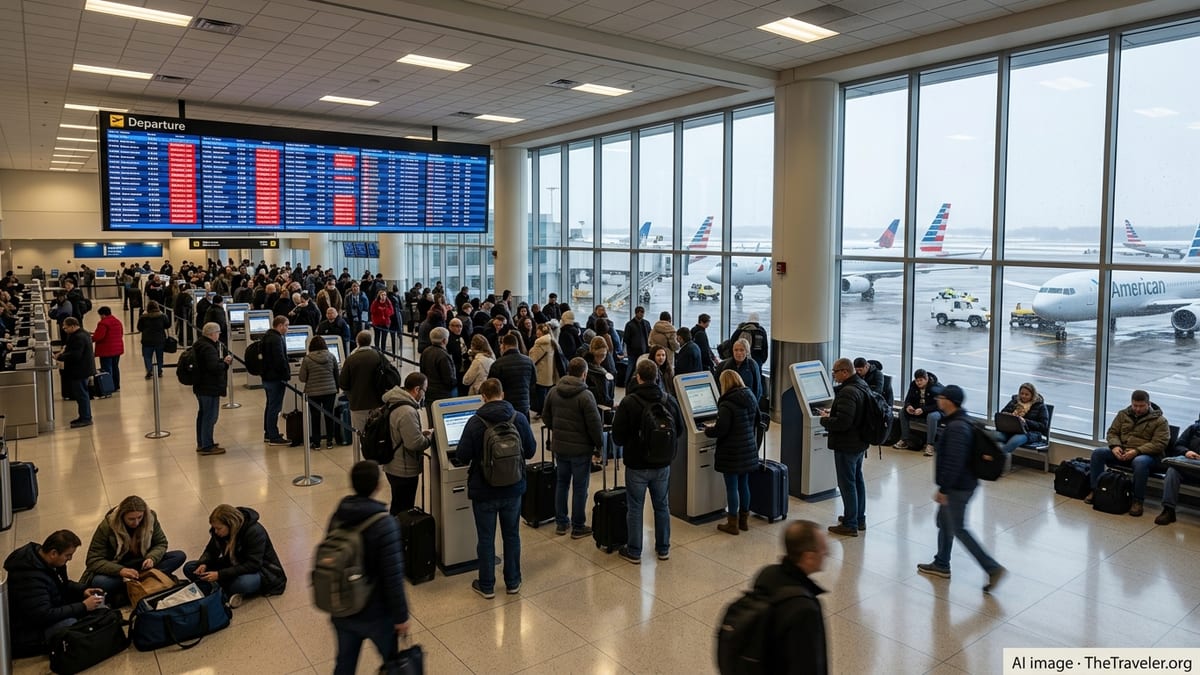
Storm System Slams Northeast Air Travel
A sprawling March storm system sweeping across the Midwest and into the eastern United States has triggered mass cancellations across the country, including flights into and out of Philadelphia. Publicly available flight-tracking data for the first half of the week show more than 1,000 flights canceled nationwide on some days, as snow, high winds and severe thunderstorms ripple through major hubs from Chicago and Atlanta to New York and the Mid Atlantic.
The same weather pattern is linked to a powerful North American storm complex that intensified between March 13 and 17, bringing blizzard conditions to parts of the Upper Midwest while spawning severe weather and damaging winds farther south and east. As the system pushed toward the I-95 corridor, airlines began trimming schedules in advance, then canceling hundreds of departures and arrivals when conditions deteriorated.
Philadelphia International Airport, a key connecting point for the Northeast, has been swept up in the broader chaos. Flights between Philadelphia and other major hubs such as New York, Boston, Washington, Chicago and Atlanta have been among those most affected, creating knock-on disruptions for travelers heading to and from smaller regional airports that rely on those connections.
Weather-related adjustments are not new for airlines operating along the East Coast in winter and early spring, but this week’s storm has hit as carriers are already managing equipment and crew imbalances from earlier blizzards and coastal systems that disrupted operations in January and February. That legacy backlog is compounding the impact of the latest round of cancellations.
Government Shutdown and TSA Strains Add to Gridlock
Complicating the picture for travelers at Philadelphia is the continued effect of the partial federal government shutdown on security operations. Public reports describe stretched Transportation Security Administration staffing at several large U.S. airports, with some checkpoints closing temporarily or operating at reduced capacity. Social media posts from passengers in Philadelphia in recent days describe security lines backing up and certain checkpoints being shut for portions of the morning rush.
These pressures are surfacing just as airports enter one of the busiest travel periods of late winter. College students, families and sports fans heading to spring break destinations and early rounds of college basketball tournaments are sending passenger numbers higher. The combination of elevated demand, constrained TSA staffing and a nationwide weather event is creating longer security waits and narrower margins for making flights, even when those flights are operating on time.
According to published coverage of the national aviation system this week, the shutdown’s effect is particularly visible at hub airports with complex terminal layouts and heavy connecting traffic. Philadelphia International, which funnels large volumes of connecting passengers through multiple concourses tied to a few central checkpoints, fits that profile. When one or more checkpoints are reduced, the strain quickly spreads across the terminal network.
The result for travelers is a two-step challenge: reaching the gate through potentially lengthy security lines, and then discovering that the flight itself may be delayed or canceled because of conditions elsewhere in the network. For many, the experience amounts to hours in crowded concourses followed by last-minute rebookings or overnight stays.
Key Routes and Destinations Seeing the Greatest Impact
Data from airline system alerts and travel waiver notices indicate that flights linking Philadelphia with other weather-affected hubs have been hit hardest. Routes to New York area airports, Boston, Washington, and parts of the Upper Midwest have seen waves of cancellations tied directly to snow, ice and high winds. In parallel, flights to southern and southeastern cities lying under the storm’s severe weather zone, including portions of the Carolinas and the Lower Mississippi Valley, have also encountered disruptions.
Because Philadelphia serves as both an origin and a connection point, cancellations on a single trunk route can cascade through the national network. When aircraft and crews cannot reach Philadelphia from one direction, return flights and onward connections to western cities such as Dallas, Denver or Phoenix can be delayed or scrubbed. That dynamic helps explain why some travelers departing from relatively calm weather locations are still seeing their flights canceled, simply because the incoming aircraft is stuck in a storm-affected city.
Regional links between Philadelphia and smaller airports in Pennsylvania and neighboring states are also vulnerable. Published schedules show that many of these routes are operated a few times a day with limited spare capacity. When one of those rotations is canceled, same-day alternatives can be scarce, leaving travelers facing lengthy bus or rail journeys or forced overnight stops while they wait for open seats.
International connections are not immune either. Even when transatlantic flight paths remain clear of the worst weather, ground operations at Philadelphia and other East Coast gateways can slow as crews focus on deicing, ramp safety and revised flight plans, leading to rolling delays for departures bound for Europe and beyond.
What Travelers Through Philadelphia Should Expect Now
For those scheduled to fly through Philadelphia over the coming days, publicly available airline advisories and travel waivers point to a continued period of instability rather than a single day of disruption. Carriers serving the Northeast have issued flexible rebooking policies around the storm window, allowing many passengers to shift to later dates or alternative airports without change fees, subject to availability.
At the airport level, travelers should be prepared for longer security lines than usual, especially during early morning and late afternoon peaks when multiple banks of departures are scheduled. Reports from recent days suggest that some checkpoints may close intermittently, funneling additional traffic through the remaining lanes. Arriving significantly earlier than normal and checking terminal and checkpoint information before leaving for the airport can reduce the risk of missing a flight that is still operating.
Given the scale of cancellations linked to the storm and the broader national disruptions, same-day reaccommodation options out of Philadelphia may be limited on the most in-demand routes. Passengers who accept automatic rebooking may find themselves routed through alternative hubs, sometimes with longer total travel times but a higher likelihood of reaching their destination within a day.
Travelers who are already en route or stranded at connecting airports are being encouraged, through airline customer alerts and app notifications, to monitor their flight status frequently and to consider rebooking online rather than queuing at service desks, which can quickly become overwhelmed during major irregular operations events.
How Long the Disruptions Could Last
Meteorological analysis of the March storm complex indicates that the core system is beginning to move off the East Coast, but its impacts on air travel are likely to linger. Airlines will need several days to reposition aircraft and crews, clear maintenance backlogs and restore normal rotations after the sequence of rolling cancellations that has affected hubs across multiple regions.
In addition, the partial government shutdown shows no immediate sign of resolution, meaning that TSA staffing and air traffic control resources may remain stretched even after the weather improves. Aviation analysts note that this combination of structural and short-term pressures can extend the recovery period, particularly at complex hub airports such as Philadelphia where a large share of passengers are making tight connections.
For travelers, the practical effect is that schedules into and out of Philadelphia may remain fragile through at least the end of the week, with isolated cancellations and longer-than-usual delays possible even on clear-weather days. Anyone planning time-sensitive trips, including onward rail or cruise connections, may want to build in additional buffers or consider alternative routings if flexibility allows.
While airlines are gradually restoring operations, the recent turmoil highlights how quickly conditions at a major airport can deteriorate when severe weather, peak seasonal demand and reduced federal staffing converge. For those passing through Philadelphia International Airport in the days ahead, careful planning, extra time and close attention to real-time updates will be essential parts of navigating a still-uncertain travel landscape.