

More news on this day
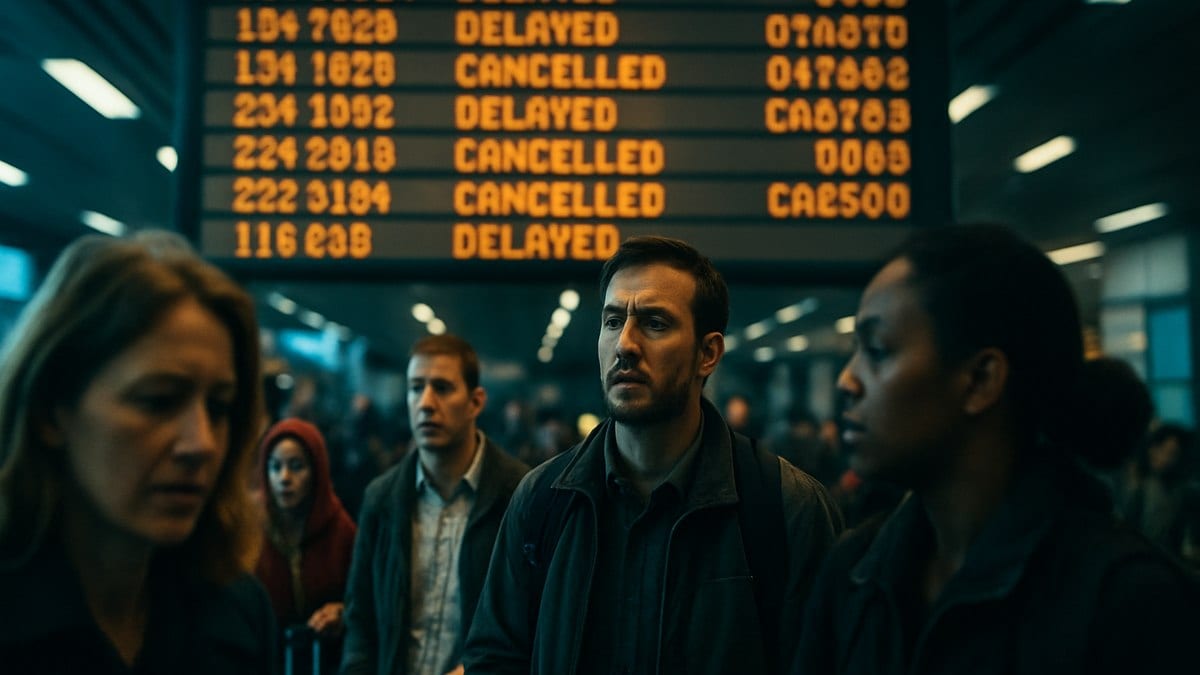
Thousands of travelers moving through Philadelphia International Airport over the Easter weekend encountered a wall of “delayed” and “canceled” notices, as 124 flights were delayed and at least 6 were canceled, disrupting routes to New York, Boston and other major Northeast hubs operated by American Airlines, Southwest and United.
Get the latest news straight to your inbox!
Major Disruptions Hit a Key Northeast Hub
Publicly available flight tracking data and industry coverage indicate that Philadelphia International Airport, a crucial connecting point for the Northeast corridor, experienced an acute spike in operational problems as the Easter travel rush peaked. The combination of 124 delayed flights and 6 cancellations left aircraft out of position, crews off schedule and passengers facing hours of uncertainty in crowded terminals.
Reports describe departure boards at Philadelphia filling with rolling delay estimates across much of Saturday and into Sunday, affecting both domestic connections and short‑haul links to major cities such as New York and Boston. While the total number of outright cancellations remained limited compared with broader national totals, the volume of delays at Philadelphia created a ripple effect on later departures and onward connections.
The timing of the disruption coincided with one of the busiest travel periods of the spring, when airlines are already operating tight schedules to meet demand. Data compiled from national flight statistics for the same weekend show thousands of delays and several hundred cancellations across the United States, underscoring how fragile airline and airport operations can become once early problems begin to cascade.
American, Southwest and United Struggle to Keep Schedules Intact
The worst of the disruption at Philadelphia centered on three of the country’s largest carriers: American Airlines, Southwest Airlines and United Airlines. According to published coverage summarizing the situation at the airport, these carriers accounted for the bulk of delayed and canceled flights, particularly on high‑frequency shuttle and regional routes serving the Northeast.
American, which maintains a significant presence at Philadelphia, saw multiple departures to key domestic destinations pushed back by an hour or more as aircraft arrived late from other cities. United and Southwest flights were similarly affected, with some rotations repeatedly delayed as crews and planes cycled through the network later than planned. Even where flights eventually departed, extended ground holds resulted in missed connections for passengers heading onward to New England and the Mid‑Atlantic.
Airline performance reports from recent months already highlight how tightly scheduled many operations have become, especially during peak travel periods. Once early‑day flights are delayed, the knock‑on impact can stretch deep into the evening as carriers attempt to recover their networks. The situation at Philadelphia over the weekend reflected that pattern, with late‑arriving aircraft and crew duty time limits contributing to the six recorded cancellations.
Travel to New York and Boston Hit Hard
The disruption at Philadelphia was particularly painful for travelers heading to New York City and Boston, two of the busiest air markets in the country. Short‑haul flights linking Philadelphia with New York‑area airports and Boston Logan are a vital part of the Northeast travel system, supporting both business and leisure trips as well as international connections routed through coastal hubs.
Industry reports on the weekend’s operations note that delays on these short segments compounded problems for travelers who had planned tight connections or same‑day returns. A delay of even 60 to 90 minutes on a shuttle‑style route can cause passengers to miss evening departures to Europe or the West Coast from New York and Boston, forcing overnight stays or last‑minute rebookings through alternative airports.
Recent analyses of national aviation performance have repeatedly shown that constrained coastal airports such as Philadelphia, Boston and the New York‑area fields bear a disproportionate share of delay minutes. Congested airspace, high traffic volumes and limited slack in daily schedules mean that any spike in demand, adverse weather or air traffic control restriction can quickly translate into widespread operational strain. The latest disruption at Philadelphia fits squarely within that broader pattern.
Part of a Wider Wave of U.S. Flight Disruptions
The Philadelphia turmoil did not occur in isolation. Nationwide data for the same Easter weekend show that thousands of flights were delayed and hundreds canceled across major hubs including Atlanta, Dallas Fort Worth, Chicago O’Hare and Houston. Published accounts describe a system under heavy pressure from strong passenger demand, intermittent spring weather and a still‑tight supply of aircraft and crews.
In this environment, mid‑sized hubs like Philadelphia can quickly become choke points. When connecting banks of flights are disrupted, local delays spread outward to destination airports across the country. Travelers attempting to reach New York or Boston from smaller markets through Philadelphia were among those hardest hit, as missed connections forced complex rebookings or overnight stays.
Longer‑term data assembled by transportation analysts show that delays and cancellations have remained a persistent feature of U.S. air travel since well before the pandemic, though the causes have shifted over time. While severe weather events and air traffic control constraints remain recurring factors, airline staffing levels, aircraft availability and network design choices have also played a significant role in how disruptions develop and spread.
Passengers Face Long Lines and Limited Options
For passengers caught up in the Philadelphia disruption, the statistics translated into long lines at customer service counters and crowded gate areas. Reports from the airport describe travelers waiting for rolling updates as departure times shifted repeatedly, with many unsure whether to remain at their assigned gate or seek alternative routings through other hubs.
Consumer travel advocates note that when widespread delays rather than outright cancellations dominate, passengers often have fewer clear options. Seats on later flights are already heavily booked during holiday periods, and same‑day alternatives through different airports can be scarce. This leaves many travelers facing a choice between accepting long delays or attempting complex rebooking across multiple carriers at additional cost.
Industry guidance typically encourages passengers to monitor flights through both airline apps and independent tracking tools well before leaving for the airport, especially during peak travel weekends. While such steps cannot prevent a delay, they can provide earlier warning of emerging disruptions and create more time to request seat changes, rebook connections or explore ground transportation alternatives between closely linked cities such as Philadelphia, New York and Boston.