

More news on this day
Philippine Airlines is marking its 85th anniversary with a combination of new long-haul aircraft, aggressive promotional fares and a fresh focus on regional links that is set to reshape how travelers access Southeast Asia through its Manila hub.
Get the latest news straight to your inbox!
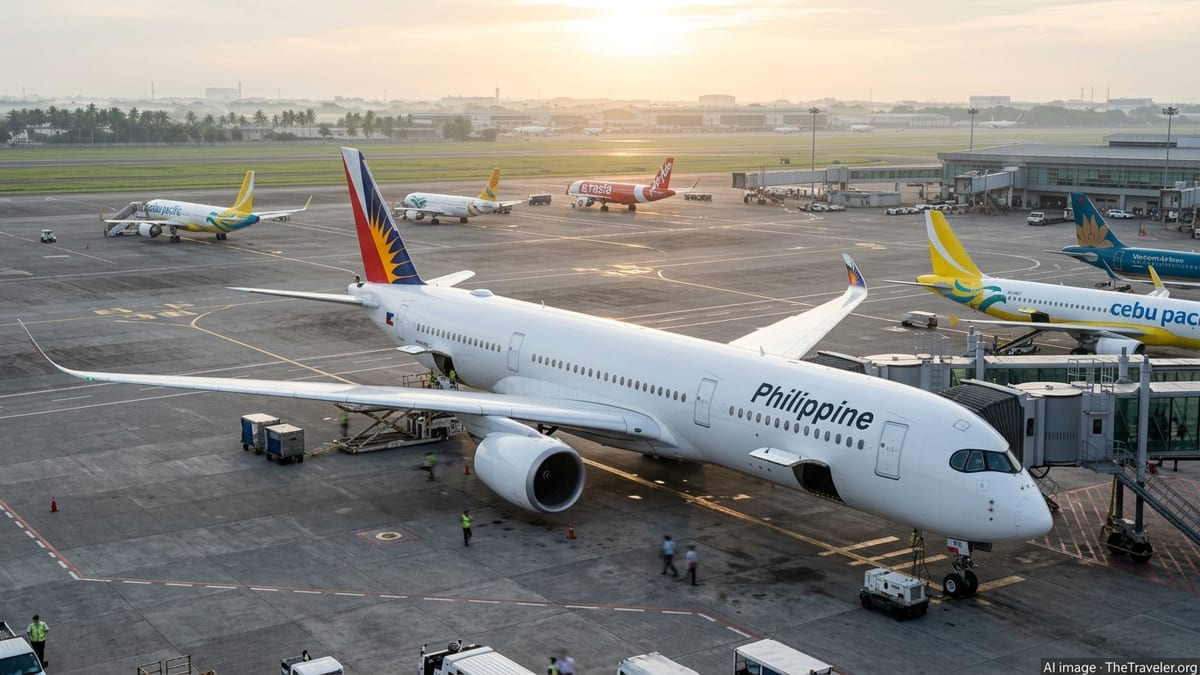
A Milestone Year for Asia’s Oldest Flag Carrier
Founded in 1941, Philippine Airlines is celebrating 85 years of operations in 2026, highlighting its status as Asia’s first airline and underscoring its long-standing role in connecting the Philippines with neighboring Southeast Asian markets and the wider world. Publicly available information shows that the carrier has used recent anniversaries to emphasize both its historical legacy and its ambitions as a competitive regional and global player.
The 85th anniversary comes at a time when Southeast Asia’s travel recovery is well underway and competition among regional airlines is intensifying. Industry coverage notes that Philippine Airlines is positioning itself as a premium full-service alternative for travelers moving between key Southeast Asian cities and long-haul destinations in North America and Australia, using Manila and Cebu as primary gateways.
According to recent business reports, the airline’s leadership has repeatedly framed the anniversary not only as a nostalgic milestone but as a pivot point, signaling fresh investment in fleet, product and network. The strategy is designed to capture a larger share of regional traffic at a moment when tourism flows in and out of Southeast Asia are rising and capacity is being restored across the market.
New Airbus A350-1000 Flagship and Long-Haul Strategy
Coverage from Philippine and regional aviation outlets indicates that Philippine Airlines formally unveiled its first Airbus A350-1000 on January 18, 2026, coinciding with its 85th anniversary festivities in Pasay City. The aircraft is the airline’s new flagship and makes Philippine Airlines the first carrier in Southeast Asia to operate the long-range A350-1000, a type known for improved fuel efficiency and extended range.
Reports describe the A350-1000 as central to Philippine Airlines’ plan to bolster its long-haul network, particularly to North America. Industry analyses suggest that the aircraft will allow the airline to operate more fuel-efficient nonstops on highly competitive trans-Pacific routes while offering a modern cabin designed to appeal to both business and leisure travelers. Cabin configurations highlighted in aviation coverage point to upgraded premium products and improved economy comfort, elements that can influence connecting traffic from Southeast Asia.
While the new widebody is primarily oriented toward long-haul flying, it has implications for Southeast Asian connectivity. By strengthening Philippine Airlines’ position on routes to cities such as Los Angeles, San Francisco, New York and planned additional North American gateways, the airline aims to attract more passengers from within Southeast Asia who are willing to route via Manila. This hub-and-spoke approach relies on robust feeder traffic from neighboring countries such as Vietnam, Thailand, Malaysia, Indonesia and Singapore.
Anniversary Seat Sale Opens Affordable Access to the Region
As part of its 85th year celebrations, Philippine Airlines launched one of its biggest anniversary seat sales in early March 2026, with promotional base fares publicized as starting at 85 pesos for domestic flights and 85 US dollars for selected international routes. Local business media and lifestyle publications report that the booking window runs from March 2 to mid-March, with travel periods stretching from March 2026 into late 2026 across a variety of routes.
Travel advisories and promotional materials show that Southeast Asian destinations figure prominently in the campaign. Discounted tickets are being offered on flights from Manila and Cebu to cities such as Bangkok, Singapore, Jakarta, Kuala Lumpur, Denpasar and Ho Chi Minh City, among others, alongside connections to East Asia, Australia and North America. The promotion is designed both to reward loyal customers and to stimulate new demand at a time when fuel surcharges and broader cost pressures are affecting ticket prices across the industry.
Consumer-facing coverage notes that the anniversary sale includes different fare levels tied to specific travel dates and seasons, with lower fares typically available for off-peak months. While full fare conditions are published in the airline’s official materials, independent travel blogs and local news outlets have highlighted that passengers should review rules on baggage, rebooking and blackout dates carefully, particularly for heavily discounted tickets. For many travelers in the Philippines and the wider region, however, the sale offers one of the more accessible ways to explore neighboring Southeast Asian destinations this year.
Network Developments Across Southeast Asia
Beyond promotions, Philippine Airlines has been adjusting and expanding its regional network to strengthen Southeast Asia connections. Industry reports point to incremental growth in flights to key ASEAN capitals and tourist hubs, aligning with the broader rebound in leisure and business travel. Additional frequencies on routes linking Manila with Bangkok, Singapore and other major cities have been introduced during peak periods, supporting smoother connections to and from long-haul services.
Regional aviation coverage also notes that Philippine Airlines and its subsidiary operations have been rebalancing capacity across domestic and short-haul international routes. Decisions to move turboprop operations to Clark and to streamline services from Manila are expected to free up slots and enhance efficiency on higher-demand regional jet routes that feed international traffic. For passengers traveling within Southeast Asia, these network refinements translate into more options for timed connections via Philippine gateways.
Observers point out that competition in Southeast Asia remains strong, with low-cost carriers and other full-service airlines aggressively pursuing market share. Against this backdrop, Philippine Airlines appears to be betting on a hybrid approach: combining competitive fares during promotional periods with full-service offerings such as inclusive baggage, in-flight meals and a traditional frequent-flyer program. The strategy aims to appeal to Filipino travelers, overseas workers and international tourists who value both price and overall travel experience.
What Travelers Need to Know Before Booking
For travelers considering Philippine Airlines as a bridge to Southeast Asia in 2026, publicly available information highlights several key points. First, the anniversary seat sale offers some of the lowest advertised base fares in recent years, but taxes, fees and fuel surcharges can add significantly to the final ticket price, especially for international itineraries. Prospective passengers are advised by travel commentators to compare total costs, not just headline fares, when evaluating deals.
Second, the introduction of the Airbus A350-1000 into the fleet means that certain long-haul routes operated by Philippine Airlines will feature newer cabins and potentially more seamless connectivity for those connecting from Southeast Asian cities. Travelers who prioritize onboard comfort or who are planning complex itineraries to North America or Australia via Manila may wish to check aircraft types and schedules when booking.
Third, network changes in and around Manila and other Philippine airports may affect connection times and terminal experiences. Airport and airline advisories emphasize the importance of allowing sufficient time for transfers, particularly during peak holiday periods, while also noting operational adjustments designed to decongest key hubs. As regional demand grows, schedule tweaks and capacity increases are expected, which may create new one-stop options between secondary Southeast Asian cities and long-haul destinations.
Finally, analysts suggest that Philippine Airlines’ 85th anniversary initiatives illustrate a broader trend in Southeast Asia: airlines are using milestone years and fleet upgrades to reset their competitive position after the disruptions of recent years. For passengers, the outcome is a more dynamic marketplace, where careful timing and route selection can unlock attractive fares and improved connectivity across one of the world’s most diverse and rapidly developing travel regions.