

More news on this day
Philippine Airlines has suspended passenger flights to Dubai in the United Arab Emirates and Doha in Qatar until the end of April, disrupting travel plans for overseas Filipino workers, Gulf residents and long-haul transit passengers as carriers across the region continue to adjust operations amid heightened security and airspace concerns.
Get the latest news straight to your inbox!
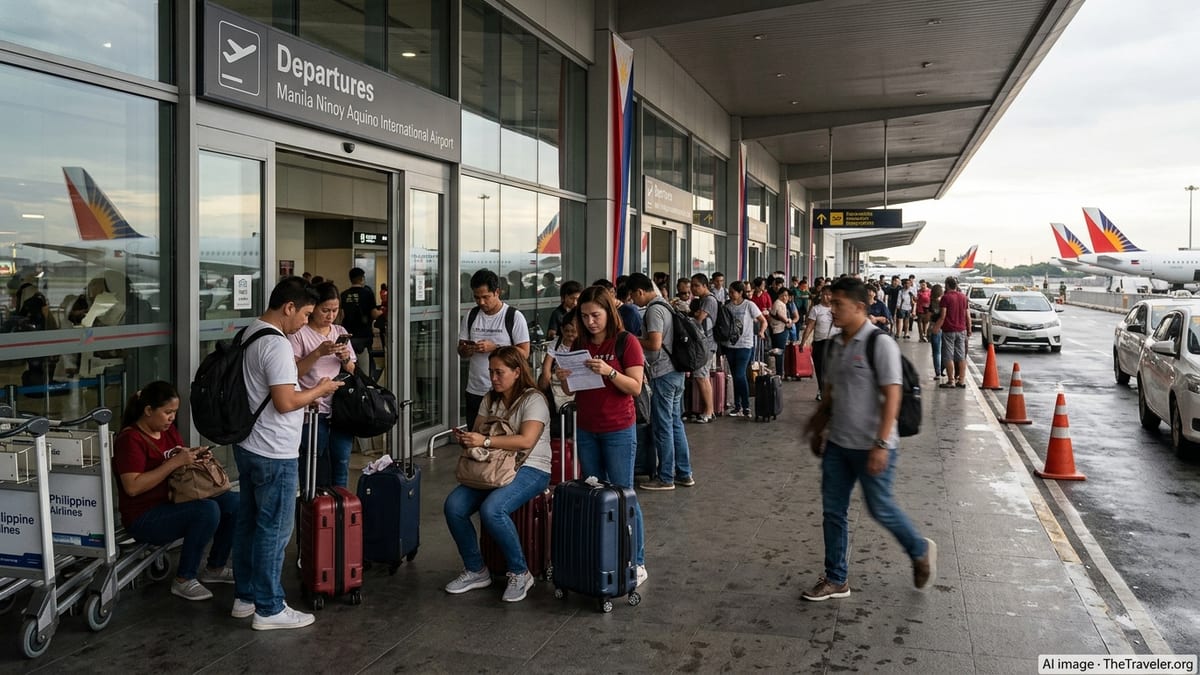
Extent and Timing of the Flight Cancellations
Publicly available schedule data and booking information indicate that Philippine Airlines has removed its Manila to Dubai and Manila to Doha services from sale through the end of April, with no seats available on the routes until at least early May. Travel agents and passengers checking the airline’s booking channels report that previously confirmed flights in April are being marked as cancelled and that new reservations on these city pairs are not being accepted for the remainder of the month.
The suspension affects one of the most heavily used long-haul corridors for travelers from the Philippines, many of whom rely on Gulf hubs for onward connections to Europe, the Middle East and Africa. Philippine Airlines has traditionally marketed Dubai and Doha both as high-demand labor and family visit destinations and as gateways to onward partner flights, making the temporary halt particularly disruptive at the tail end of the peak Holy Week and early summer booking period.
While the airline has not prominently promoted a detailed public timetable for the resumption of services, booking patterns suggest that a limited reintroduction of flights is tentatively planned from May, subject to operational conditions. For now, passengers holding tickets through 30 April are being directed to seek rebooking, refunds or alternative routings.
Operational and Safety Context in Gulf Airspace
The move by Philippine Airlines comes amid a period of instability for aviation across parts of the Gulf region, where a combination of security concerns and temporary airspace restrictions has led to rolling schedule changes by multiple international carriers. Recent weeks have seen several airlines adjust routings, suspend specific city pairs or consolidate services to better manage risk and aircraft utilization.
Industry reporting and airline notices describe a more cautious approach to flights transiting or serving major hubs such as Dubai and Doha, with some carriers opting to pause operations until there is greater clarity around overflight permissions and safety protocols. In this environment, a mid-sized flag carrier such as Philippine Airlines may have limited flexibility to reroute or upgauge aircraft quickly, making outright cancellations a more practical short-term measure.
Analysts following the Gulf aviation market note that state-backed giants in the region often have more resources to absorb disruptions, redeploy fleets and negotiate alternative corridors. By contrast, partner and feeder airlines from Asia and Europe can be more exposed to sudden changes in airspace risk assessments, especially when they operate a small number of daily frequencies to each hub. Philippine Airlines’ decision to freeze Dubai and Doha operations through April reflects these structural constraints as much as it does immediate security considerations.
Impact on Overseas Filipinos and Transit Travelers
The suspension is particularly significant for the large Filipino communities based in the United Arab Emirates and Qatar, where many workers depend on direct flights to return home for family visits, emergencies or seasonal holidays. With Philippine Airlines services off the board until the end of April, these travelers are being pushed toward alternative carriers, often at higher prices and with longer total journey times.
Reports from passenger forums and travel communities indicate that some affected customers have been able to rebook on other Asian or European airlines that route through hubs such as Singapore, Bangkok, Hong Kong or Istanbul instead of the Gulf. However, limited seats during busy travel periods and the need for additional connections mean that itineraries can quickly become more complex and expensive, especially for families traveling together.
Transit passengers who previously used Philippine Airlines to connect via Manila between the Gulf and destinations across Asia-Pacific are also facing itinerary changes. Without the Dubai and Doha links, some routings that relied on through-ticketing and coordinated schedules are no longer available, forcing travelers to piece together separate tickets or accept reroutes that add many hours to their overall journey.
Rebooking, Refunds and Travel Planning Advice
According to information circulated by travel agencies and published customer guidance, passengers holding Philippine Airlines tickets that include Dubai or Doha through the end of April are generally being offered options to rebook on later dates, reroute via alternative gateways where available, or request refunds in line with the fare rules and any temporary waivers. The precise choices depend on the type of ticket purchased, whether the itinerary includes partner airlines, and how the booking was made.
Travel specialists advise that affected customers first verify the current status of their specific flight using the airline’s official channels or their travel agent, as automated notifications can sometimes lag behind schedule changes. Travelers are also being encouraged to document any cancellation notices and to keep records of communications with ticketing agents in case of disputes over change fees or refund eligibility.
For those who have not yet booked but were planning to travel between the Philippines and the Gulf region in April, industry observers suggest considering routings that avoid relying on the suspended Philippine Airlines services. That may involve booking with other carriers that still operate to Dubai or Doha, or choosing entirely different connection points in East or Southeast Asia. Given the fluid situation in Gulf airspace, flexibility with dates and routing is being highlighted as an important factor in reducing the risk of last-minute disruption.
Outlook for Manila’s Links to the Gulf
Looking ahead, aviation analysts expect Philippine Airlines to restore at least part of its Dubai and Doha schedules once conditions stabilize and demand justifies the deployment of widebody aircraft back onto the routes. The Gulf remains one of the most important overseas markets for the Philippines, both in terms of remittance-driven travel and as a stepping stone to Europe and Africa, making a prolonged absence from these hubs commercially challenging.
Any restart is likely to be gradual, with a focus on ensuring that the airline’s fleet is deployed where yields are strongest and operational risks are manageable. Observers point out that Philippine Airlines has been working to optimize its long-haul network in recent years, balancing traditional migrant and visiting-friends-and-relatives markets with higher-yield business and leisure traffic to North America and North Asia.
For now, travelers are watching closely for updated schedules and announcements as the end of April approaches. Until more clarity emerges, the suspension of Dubai and Doha flights by the Philippine flag carrier stands as another example of how quickly regional tensions and airspace issues can ripple through global travel plans, leaving passengers and airlines alike to adapt with limited notice.