

More news on this day
Philippine Airlines is marking its 85th anniversary in 2026 by sharpening its focus on the Japan–Manila market, rolling out enhanced seasonal services, competitive fares and network adjustments designed to capture growing two-way travel demand between the Philippines and Japan.
Get the latest news straight to your inbox!
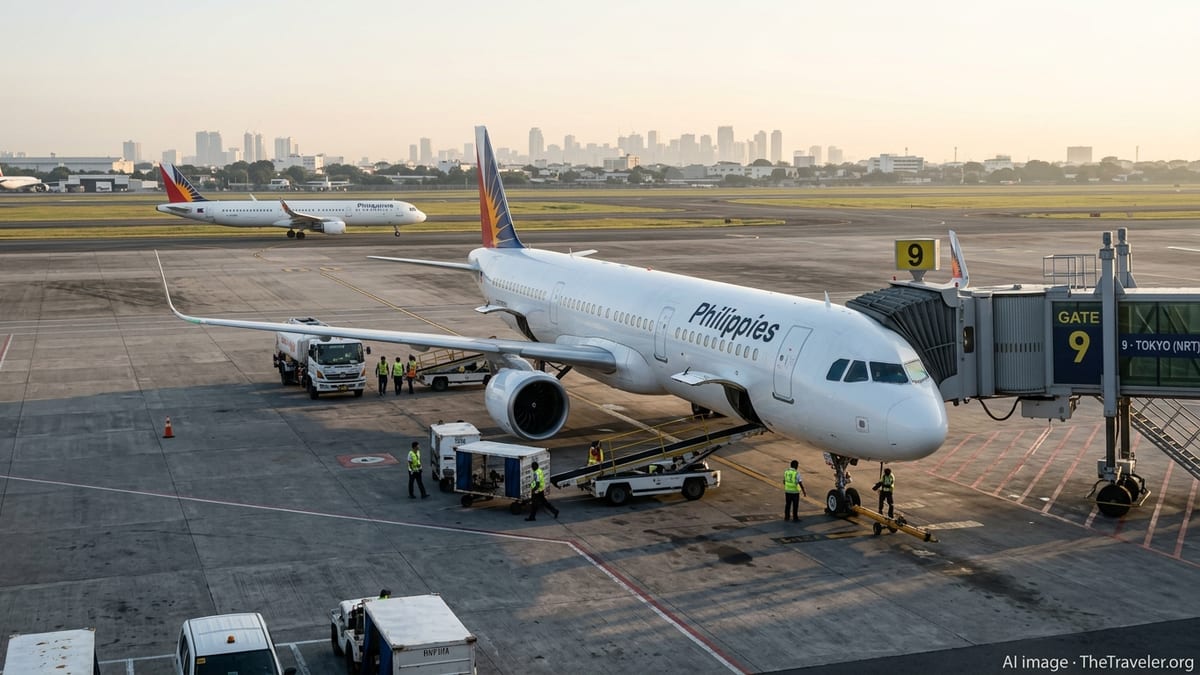
Anniversary Milestone Highlights Japan Focus
The Philippine flag carrier, founded in 1941, enters its 85th year with a renewed push on regional connectivity, publicly available information shows. Recent coverage highlights anniversary branding on its new Airbus A350-1000 fleet and a systemwide campaign built around special fares and capacity boosts on key routes, including services linking Japan and Manila.
Reports indicate that Philippine Airlines is using the anniversary moment to underscore its long-standing role in connecting the Philippines with major Asian markets. Japan, one of its most established international regions, is a central pillar of this strategy as travel flows recover and leisure, business and migrant traffic continue to climb.
The airline’s current Japan network already spans Tokyo Haneda, Tokyo Narita, Osaka Kansai, Nagoya and Fukuoka from Manila, along with links from Cebu to Tokyo Narita and Osaka Kansai. Industry reports describe this as one of the most extensive Japan–Philippines offerings operated by a single carrier, positioning the airline to leverage incremental capacity and promotional activity around its 85th year.
Seasonal Sapporo Flights Strengthen Winter Connectivity
A key development for Japan–Manila connectivity is the resumption of seasonal nonstop flights between Manila and Sapporo’s New Chitose Airport. Published schedules show that the carrier will operate the route from November 24, 2025 to March 27, 2026, lining up directly with the peak winter travel season in Hokkaido.
The Manila–Sapporo flights are set to operate three times weekly, typically on Monday, Wednesday and Friday, using Airbus A321neo aircraft. Coverage from aviation and travel outlets notes that the service had been suspended since 2020 and is now returning after roughly five years, giving Philippine and Japanese travelers a direct link between Manila and one of Japan’s most popular cold-weather destinations.
By timing the service for the winter months and positioning it as a recurring seasonal route in subsequent years, Philippine Airlines is effectively deepening its Japan footprint beyond the main business and gateway cities. The direct connection to Sapporo caters to leisure travelers pursuing ski trips and snow tourism, as well as Japan-based residents looking for a warm-weather break in the Philippines during the colder months.
Expanded Japan–Manila Seat Supply for Peak Travel Windows
Network updates for the 2025–2026 travel period point to additional capacity between Japan and Manila beyond the new Sapporo service. According to timetable details and aviation-focused coverage, the airline is planning extra frequencies on its Manila–Tokyo Narita route during the year-end and New Year holiday rush, on top of its regular twice-daily operation.
These extra Narita rotations are expected to operate over the late December to early January peak, targeting both outbound Filipino travelers heading to Japan and inbound visitors from Japan traveling to the Philippines during the holiday period. The move aligns with broader regional capacity expansions as airlines respond to strong demand for winter and festive-season travel.
Travel industry observers note that Japan routes are among the most competitive in the Philippine market, with full-service and low-cost carriers from both countries vying for passengers. By adding short-term capacity at Narita and reinforcing its presence across multiple Japanese gateways, the Philippine flag carrier is seeking to defend and grow its share of the high-yield Japan–Manila segment.
Anniversary Seat Sale Targets Japan-Bound Travelers
As part of its 85th anniversary campaign, Philippine Airlines has rolled out a promotional seat sale that includes Japan routes alongside domestic and other international destinations. Philippine lifestyle and travel media report that anniversary one-way base fares start from as low as 85 pesos on selected domestic sectors, with discounted tickets also available on regional flights, including those to Japan, for travel beginning in April 2026 and beyond.
The promotion is structured to stimulate early bookings across the carrier’s network and to channel demand toward its enhanced schedule. Japan-bound travelers benefit from lower entry fares to Tokyo, Osaka, Nagoya and Fukuoka, while the winter seasonal Sapporo service adds another option for those planning ahead for the 2025–2026 cold season.
Publicly available information indicates that such anniversary sales are a recurring feature in the airline’s marketing calendar, but the 85th year carries particular symbolic weight. The combination of commemorative branding, new aircraft introductions and tactical fare discounts around Japan services underlines the strategic role the market plays in the airline’s long-term plans.
Implications for Tourism and Regional Travel Flows
The strengthened Japan–Manila links arrive at a time when both countries are actively promoting tourism recovery and deeper people-to-people ties. Industry analysis suggests that direct flights from multiple Japanese cities into Manila and Cebu support not only leisure travel but also business exchanges, education and the sizable Filipino community living and working in Japan.
Travel sector reports point out that Japan remains one of the Philippines’ top visitor source markets, while the Philippines is an increasingly attractive destination for Japanese travelers seeking tropical escapes, diving trips and cultural experiences. Additional capacity, especially on popular Tokyo and Osaka routes, can help absorb rising demand and reduce the likelihood of sustained fare spikes during peak periods.
With the return of seasonal Sapporo flights and the continued development of its widebody fleet, Philippine Airlines is positioning itself as a central connector in North Asia–Southeast Asia travel flows. As the airline’s 85th anniversary year progresses, analysts will be watching how these Japan-focused initiatives translate into load factors, yield performance and broader gains for tourism between the two countries.