

More news on this day
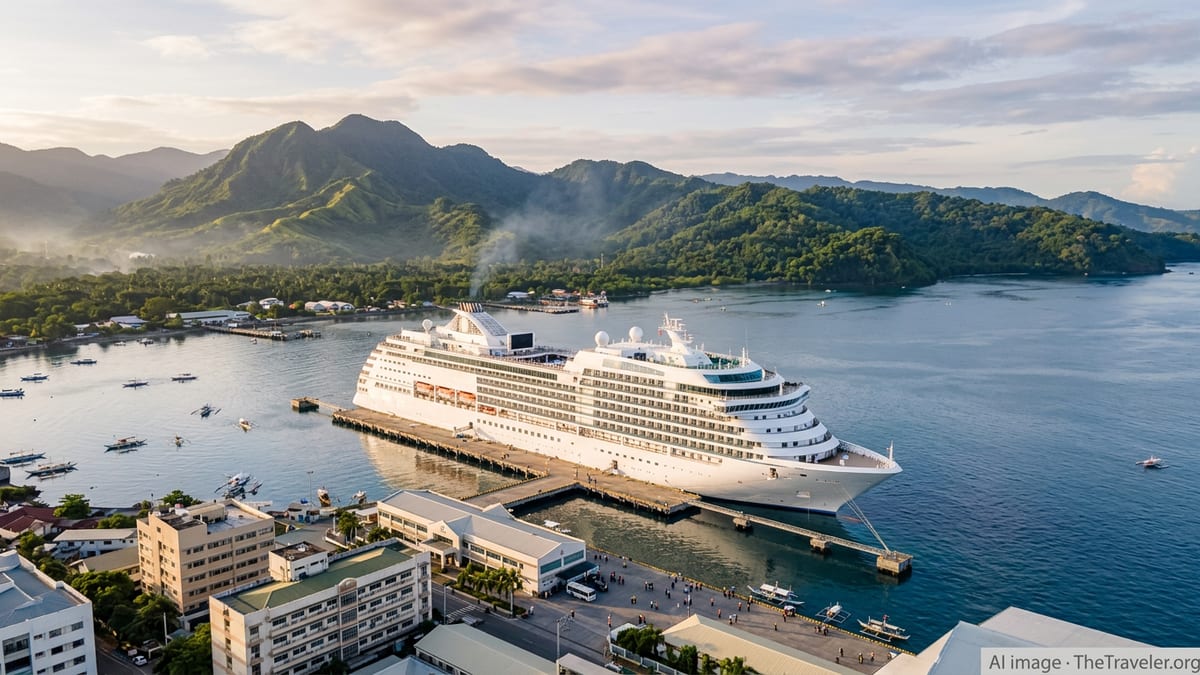
The Philippines is positioning itself for a dramatic surge in cruise tourism in 2026, banking on rising ship calls, new port investments and its vast pool of experienced Filipino seafarers to turn the archipelago into Asia’s next big cruising playground.
Record Cruise Calls Set the Stage for a 2026 Breakout
After a rapid post-pandemic recovery, Philippine cruise tourism is now shifting from rebound to breakout. Department of Tourism officials reported close to 100 cruise calls in 2024 and projected at least a 30 percent increase in ship arrivals in 2025, putting the country on track for an even bigger jump in 2026 as new itineraries, homeport bids and infrastructure upgrades converge.
Industry executives say the Philippines has crossed a psychological threshold with global cruise lines, which now see the archipelago as a core destination rather than an occasional call. More operators are testing multi-stop Philippine itineraries that combine marquee names such as Boracay and Palawan with emerging ports like Subic Bay, Ilocos and Southern Mindanao.
The timing aligns with a broader Southeast Asian cruise rebound and a renewed regional focus on sea-based tourism. At the ASEAN Tourism Forum held in Cebu in January 2026, delegates highlighted cruise tourism as a priority growth segment and pointed to the Philippines’ extensive coastline and cultural diversity as competitive advantages.
For Manila, the cruise push also dovetails with a wider strategy to lift visitor arrivals and spending under the “Love the Philippines” campaign. Officials view cruise passengers as a high-potential audience for repeat visits by air, especially as shore excursions increasingly showcase local food, festivals and community-based tourism projects.
Ports from Manila to Subic Race to Modernize
To keep pace with rising demand, Philippine port and freeport authorities are accelerating cruise-focused investments, from terminal upgrades to transport links. Manila’s Pier 15 remains the country’s main cruise gateway, but planners acknowledge congestion limits and are moving to diversify cruise traffic to nearby ports and regional hubs.
Subic Bay Freeport has emerged as the most aggressive challenger, with the Subic Bay Metropolitan Authority championing a nearly multibillion-peso cruise terminal initiative folded into a broader port expansion plan. The project would give the country a purpose-built cruise facility capable of regularly handling large international vessels, integrated with new transport, commercial and leisure zones designed to keep passengers in the area longer.
Other ports, including popular resort destinations like Boracay and key gateways in Central and Southern Philippines, are enhancing berthing facilities, passenger handling areas and environmental safeguards. The Philippine Ports Authority has emphasized that cruise infrastructure is being aligned with sustainability targets, with projects such as electric shuttle systems and shore excursion guidelines aimed at managing visitor impact.
Local officials say these upgrades are not just about handling more ships, but about competing with regional heavyweights such as Singapore and Vietnam. That means improving the entire passenger journey, from faster immigration processing to better last-mile transport and curated experiences on shore.
Filipino Seafarers as the Philippines’ Strategic Advantage
At the heart of the 2026 cruise tourism push is a uniquely Filipino asset: its global workforce of seafarers and cruise-hospitality professionals. The Philippines is widely recognized as the world’s leading supplier of cruise ship crew, and deployment has been rising steadily as the industry expands its fleets and restores full operations.
Major operators, including some of the world’s largest cruise brands, have signaled plans to add ships in the coming years and hire thousands more staff, with Filipinos topping the recruitment list for deck, engine and hospitality roles. Recruiters cite not only technical skills and language proficiency, but also the trademark Filipino brand of service that many passengers already associate with the cruise experience.
Government agencies have moved to reinforce this advantage. The Department of Migrant Workers and attached welfare offices have stepped up pre-departure orientation and rights-awareness programs for seafarers, including large-scale virtual briefings linked to National Seafarers’ Day. Regulators are also working with manning agencies to standardize training and ensure workers meet the evolving safety, environmental and customer-service standards of modern cruise fleets.
For tourism planners, Filipino crew members represent more than just an overseas labor success story. They are frontline ambassadors for the country at sea, often the first point of contact for guests who may later consider a dedicated trip to the Philippines. Officials and industry leaders are discussing ways to tap this network more systematically, from promoting the national tourism brand onboard to designing itineraries that highlight the hometowns of Filipino crew.
Homeport Ambitions and New Routes Around the Archipelago
Looking ahead to 2026, the most ambitious goal is to secure regular homeport operations in the Philippines, with Subic Bay and Manila both positioning themselves as logical starting and ending points for regional cruises. Homeporting is seen as a potential game changer, yielding higher local spending on hotels, transport, provisioning and maintenance, and allowing passengers extra days to explore before and after their voyages.
Subic officials are actively courting cruise lines with proposals that combine modern berths, streamlined logistics and an expanding menu of shore excursions across Central Luzon, including eco-tourism, heritage circuits and sports tourism. Manila, meanwhile, continues to leverage its proximity to the capital’s infrastructure, major hotels and shopping districts, even as planners explore options to relieve congestion and improve passenger flow.
Cruise planners are also mapping new intra-Philippines routes that treat the archipelago itself as a multi-week journey. Draft itineraries being floated with operators include loops connecting Manila, Subic, Ilocos, Palawan, Cebu and Siargao, with options to extend to Borneo and other ASEAN ports. This approach would allow cruise lines to sell the Philippines as both a stand-alone destination and a hub within a wider regional network.
Industry sources note that such ambitions will require further coordination across agencies responsible for ports, tourism, security and immigration. However, the fact that cruise tourism featured prominently in recent regional strategy documents suggests that government support for these ideas is strengthening.
Balancing Rapid Growth with Worker Welfare and Sustainability
Behind the upbeat projections, industry stakeholders are increasingly attentive to the risks of rapid expansion, particularly in worker welfare and environmental management. Filipino seafarers have been central to global discussions on fair treatment, contract security and onboard conditions, and Philippine authorities are under pressure to ensure that the coming cruise boom does not come at their expense.
Labor groups and migrant worker agencies are pushing for tighter oversight of recruitment practices, standard contracts and grievance mechanisms, responding to past cases of abrupt terminations and disputes involving Filipino crew. They argue that safeguarding seafarers’ rights is essential not only as a moral imperative, but also to protect the country’s reputation as a trusted supplier of maritime labor.
Environmental sustainability is another concern as more large vessels call at ecologically sensitive destinations. Port authorities and local governments have begun to integrate cruise arrivals into broader coastal management plans, exploring measures such as controlled anchorage zones, regulated visitor numbers at popular beaches and protected areas, and incentives for cleaner ship technologies.
For now, the momentum behind cruise tourism in the Philippines is unmistakable. If the country can match its natural assets and human talent with smart infrastructure and responsible governance, 2026 could mark the year it anchors itself firmly on the global cruise map, with Filipino seafarers at the center of that story.