

More news on this day
Philippine airports and seaports are preparing for one of their busiest Holy Week travel periods in years, as projections point to record passenger volumes over Easter 2026 even as airfares, fuel surcharges and sea transport costs climb sharply.
Get the latest news straight to your inbox!
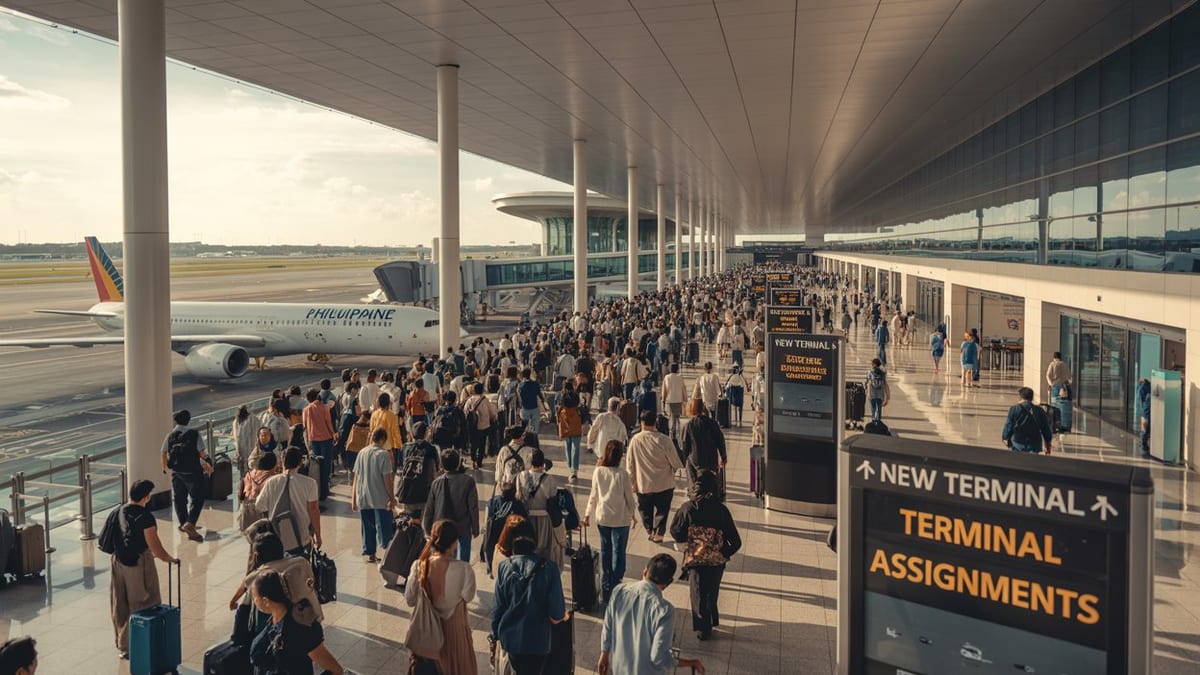
Image by Travel And Tour World
Holy Week Exodus Set To Top 2025 Levels
Holy Week, which falls in late March and early April in 2026, traditionally triggers one of the largest internal migration waves in the Philippines, as millions of workers and students leave Metro Manila and other major cities for home provinces and beach destinations. Publicly available data from the Philippine Ports Authority show that passenger traffic at seaports during Holy Week 2025 grew around a third year on year, reaching well over two million travelers across the network, underscoring the scale of seasonal demand.
Industry forecasts suggest that 2026 could push those numbers even higher. International airline and tourism analyses indicate an 8 to 9 percent year on year uplift in passenger volumes for Easter-period travel in key Asia Pacific markets, including the Philippines, as international and domestic capacity continues to rebuild and traveler confidence remains strong. Airport planning studies and regional traffic forecasts released in late 2025 also point to steady growth in Philippine domestic air travel through 2026, supported by additional routes to secondary cities and expanding low cost carrier operations.
Local discussion on travel forums and social media ahead of Easter 2026 reflects expectations of heavy congestion at major gateways such as Ninoy Aquino International Airport in Manila and Mactan Cebu International Airport, as well as inter island hubs like Batangas, Matnog and Cebu ports. Travelers are reporting limited remaining seats on popular Holy Week departure dates and significantly higher prices compared with bookings made for the same period last year.
Authorities have not yet released a consolidated national forecast for Holy Week 2026 passenger volumes, but recent growth patterns suggest that both air and sea traffic are likely to exceed their 2025 peaks if current booking trends remain intact.
Airports Add Capacity As Fuel Surcharges Jump
At the country’s airports, preparations for the Holy Week rush are unfolding against a backdrop of rising operating costs. In mid March 2026, the Civil Aeronautics Board approved a higher passenger fuel surcharge level for tickets issued between April 1 and 15, allowing domestic carriers to add several hundred pesos to one way fares and international airlines to increase surcharges by as much as several thousand pesos per long haul ticket. The adjustment was linked to a sharp rise in jet fuel prices driven by geopolitical tensions in the Middle East and broader energy market disruption.
For travelers flying in and out of Manila and other key hubs around Easter, this means the most expensive travel window of the year is colliding with an additional cost layer. Consumer complaints on travel focused online communities describe domestic round trip fares that are double what was available just weeks earlier, as dynamic pricing and the new surcharge band interact during peak demand. Advice circulating among frequent flyers emphasizes booking well in advance, flying on off peak days where possible, and comparing low cost carriers with full service airlines that may now offer similar all in pricing once baggage and fees are accounted for.
Despite the price pressure, capacity is expanding. Manila’s main airport has continued efficiency upgrades and schedule management efforts intended to handle more passengers during peak periods, while Clark International Airport north of the capital has been positioning itself as a relief gateway with growing domestic and regional connections. New and upgraded provincial airports across Luzon, the Visayas and Mindanao are also absorbing part of the seasonal surge, giving travelers alternatives to the capital’s congested terminals.
Industry observers note that the combination of pent up demand, strong labor market conditions and the cultural importance of Holy Week travel in the Philippines is sustaining bookings even as costs climb. For many households, the Easter homecoming or beach break is being prioritized over other discretionary spending, with some trips shortened rather than cancelled outright.
Ports Brace For Packed Terminals And Higher Fares
On the maritime side, shipping operators and port managers are also bracing for intense Holy Week traffic in 2026. Passenger ferries remain a vital link between islands for travelers heading to Western Visayas, Eastern Visayas, Northern Mindanao and popular destinations such as Bohol, Siquijor and Palawan. Philippine Ports Authority data from 2025 showed that Holy Week volumes through major ports, including Batangas and Cebu, rose sharply compared with pre pandemic baselines, reflecting travelers’ continued reliance on sea transport as an alternative to increasingly costly flights.
However, the sector is facing the same cost squeeze as airlines. Philippine media reports in March 2026 describe local shipping lines trimming certain daily sailings and adjusting fares upward to cope with higher fuel prices. Some high speed craft operators in the Visayas have temporarily cut routes or consolidated schedules, while raising ticket prices on remaining trips. Publicly available advisories indicate that operators are balancing the need to conserve fuel and maintain viability with the obligation to provide sufficient capacity during peak holiday travel windows.
At recently upgraded facilities such as the new passenger terminal at Batangas Port, inaugurated in 2024, port infrastructure is better positioned to manage surging crowds, with expanded waiting areas and check in spaces. Even so, travelers are being urged through public information campaigns and news features to arrive early, expect queues at ticketing counters and security checkpoints, and plan for potential weather related disruptions during the transition from the dry season.
Consumer sentiment collected from online discussions suggests that some travelers are shifting from air to sea travel for Holy Week 2026, especially for short haul routes from Luzon to nearby islands where total journey times remain competitive and ticket prices are more manageable for families. Others are choosing overnight buses and roll on roll off services that combine road and sea legs in search of savings.
Rising Travel Costs Reshape Holiday Plans
The broader cost environment is shaping how Filipinos approach Holy Week trips this year. Travel budgeting guides for 2026 published by regional travel platforms highlight that airfare to and within the Philippines has become one of the steepest elements of a vacation, particularly for families flying from overseas or from Mindanao and the Visayas to Luzon. Estimates compiled by online travel agencies and content providers suggest that long haul round trip flights to Manila from North America now commonly exceed several hundred US dollars per person, while domestic round trip tickets on peak dates can climb into the mid four digit peso range before baggage and ancillary fees.
At the same time, inflation in accommodation, dining and fuel is prompting many households to adjust itineraries. Reports on Philippine travel forums in March 2026 show some travelers cancelling long driving holidays because of gasoline prices, while others are scaling back from multi destination circuits to single province stays, or reducing the length of their trips to keep overall costs in check. Budget focused advice stresses early booking of bus and ferry tickets, sharing accommodations among extended families, and choosing less famous but more affordable beaches and hometown destinations over heavily commercialized resort islands.
Travel trend articles for 2026 also point to a growing interest in combining Holy Week observances with short, lower cost breaks closer to home, such as day trips from Metro Manila to nearby provinces or pilgrimages to regional churches. This pattern allows families to honor religious traditions while limiting the financial impact of travel during a period of elevated prices.
For international tourists drawn to the Philippines over Easter, the weaker local currency relative to major world currencies offsets some of the cost increases. However, industry briefings note that foreign visitors are increasingly price sensitive and may shift their travel dates to shoulder periods before or after Holy Week, when airfares and hotel rates typically ease.
Airlines, Ports And Travelers Adapt Ahead Of Peak Weekend
As Easter weekend approaches, the combined effect of strong demand and rising costs is pushing airlines, port operators and travelers to adapt. Local carriers have been rolling out targeted promotions earlier in the year, including Chinese New Year and anniversary seat sales, to stimulate advanced bookings and fill aircraft before the steepest fuel surcharge bands take effect. Financial institutions and travel fairs are promoting bundled airfare and hotel deals for domestic destinations, in some cases offering installment payment options to spread out the hit to household budgets.
Publicly available planning documents and airport master plans indicate that Philippine gateways are also working on medium term strategies to handle recurring peak seasons more smoothly. These include expanding terminal capacity at regional airports, improving slot coordination in Manila, and enhancing intermodal links between airports, seaports and bus terminals so that travelers can more easily combine modes during crowded holiday periods.
For their part, Filipino travelers are adapting strategies gleaned from past Holy Week rushes. Online advice emphasizes arriving at airports several hours ahead of departure, traveling with lighter baggage to speed up processing, and considering flights from secondary hubs such as Clark, Iloilo or Davao where queues may be shorter. On the sea side, experienced passengers recommend confirming sailing times close to departure, monitoring advisories for any fuel related schedule changes, and booking early morning or late evening crossings to avoid the heaviest midday crowds.
With Holy Week sitting at the intersection of tradition, family obligation and a desire for leisure, the Philippines’ 2026 Easter travel season is shaping up as a real time test of how a price sensitive, travel hungry public navigates a more expensive landscape while airports and ports push to manage another record breaking surge.