

More news on this day
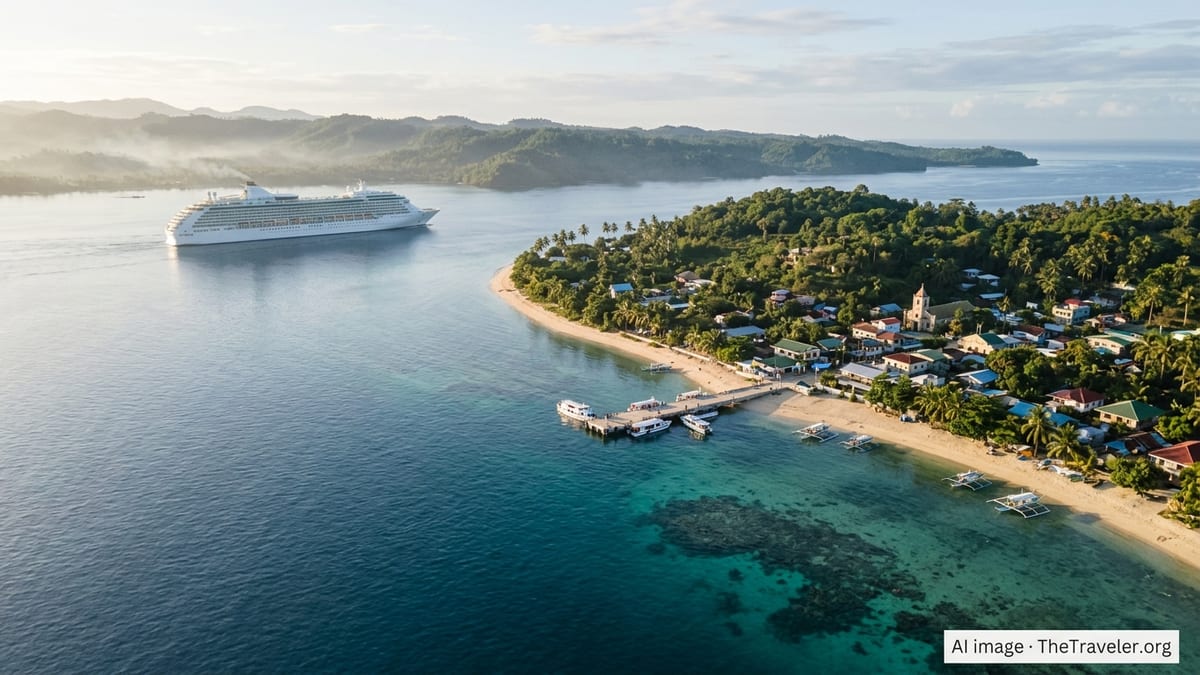
The Philippines is rapidly emerging as one of Southeast Asia’s most dynamic cruise destinations, with new port projects, industry awards and rising passenger numbers reshaping how international travelers experience the archipelago by sea.
Get the latest news straight to your inbox!
Award Wins Signal Regional Cruise Momentum
Publicly available industry data shows that the Philippines has moved from a niche stop to a headline cruise destination within just a few seasons. The country was recognized at the Asia Cruise Awards for Best Ports of Call in 2024, building on an earlier regional honor as Asia’s Best Cruise Destination in 2023. These accolades have drawn wider attention from global cruise planners who are looking beyond traditional hubs such as Singapore and Hong Kong.
According to Philippine government and regional tourism reports, cruise passenger arrivals reached roughly 150,000 in 2024, a sharp increase from around 80,000 to 90,000 passengers in 2023. This places the Philippines among the faster-growing cruise markets in Southeast Asia, even if overall volumes still trail longer-established destinations like Vietnam and Thailand.
The awards and rising numbers reflect a strategic shift. National tourism planners have explicitly framed cruise development as part of a broader effort to diversify the country’s visitor base, attract higher-spending travelers and spread tourism benefits beyond the most familiar resort islands. For cruise guests, that translates into a wider range of ports and shore excursions appearing on new-season itineraries.
New Ports and Dedicated Terminals Reshape Itineraries
The Philippine Ports Authority and other government bodies are pursuing an extensive program of port upgrades aimed at making the archipelago more cruise-ready. Public information outlines ongoing or proposed projects in key locations such as Manila, Cebu, Ilocos ports like Salomague and Currimao, and emerging destinations including Legazpi in Albay.
Reports indicate that authorities are planning or constructing more dedicated cruise terminals rather than relying solely on mixed-use cargo facilities. In Manila, proposals to reposition sections of the harbor for cruise tourism are intended to create a more streamlined arrival experience and reduce congestion. In regional hubs, upgraded berths and passenger buildings are being designed to accommodate larger vessels and faster turnarounds.
Local governments are also exploring new cruise infrastructure in high-demand leisure destinations. In Aklan, home to Boracay, planning documents and local media coverage describe proposals for a purpose-built cruise port intended to move visiting ships farther offshore from crowded beach areas while still enabling day trips. Similar concepts are being studied in other coastal provinces that previously only saw occasional calls.
For international travelers, these investments are likely to bring more varied and geographically spread itineraries. Instead of repeating the same handful of ports, upcoming seasons are expected to feature deeper circuits through northern Luzon, the Visayas and parts of Mindanao as port capacity and excursion options expand.
Major Cruise Lines Add Philippine Calls
Global cruise brands have begun to factor the Philippines more prominently into their Asia programs. Published schedules show that Norwegian Cruise Line included Manila, Boracay, Palawan and Salomague in new itineraries, following first-time calls that tested guest demand. Other premium and expedition-oriented operators, including European lines, have likewise added Philippine segments to longer regional voyages.
Industry coverage highlights that the country hosted more than 120 cruise calls in 2023 across over 30 destinations, and forward-looking schedules for 2024 and 2025 suggest a similar or higher level of activity. Ports in Palawan, northern Luzon and central Visayas feature increasingly often in multi-country routes that also include Japan, Taiwan, Vietnam and Singapore.
This shift has practical implications for travelers weighing where to cruise in Asia. Rather than having to book a dedicated Philippines-only sailing, guests can now find regional itineraries that include two or three Philippine ports alongside other marquee cities. That mix appeals to first-time visitors who want a taste of the archipelago without committing their entire voyage to one country.
At the same time, niche operators are experimenting with more focused routes that spend most of their time within Philippine waters, appealing to repeat visitors and travelers interested in snorkeling, diving and smaller coastal communities beyond the usual resort circuit.
What International Travelers Can Expect On Board and Ashore
As port infrastructure improves, cruise passengers are encountering a more organized on-the-ground experience. Tourism planners and private tour operators are developing structured shore excursions that combine beaches and marine activities with cultural stops, food-focused tours and visits to heritage districts in cities such as Manila, Cebu and Iloilo.
For travelers, this means a wider choice of pre-arranged experiences directly bookable through cruise lines or trusted local partners, including island-hopping in Palawan, kite-surfing and sunset sailing near Boracay, and countryside tours in Ilocos framed around colonial-era churches and coastal viewpoints. In emerging ports like Zamboanga or Tawi-Tawi, pilot excursions are being crafted around markets, traditional crafts and sandbar islands, although these remain limited compared with more established stops.
On board, itineraries featuring the Philippines often lean into the country’s maritime character and culinary scene with themed menus, cultural performances and destination briefings. While offerings vary significantly by cruise brand and ship, the overall trend is toward highlighting the archipelago’s position within Southeast Asia’s island arc, with sailing days framed as part of the experience rather than simply transit time between cities.
Travelers should also expect seasonal variability. The Philippines’ tropical climate means that many lines concentrate calls in the drier months from roughly November to May, when seas are generally calmer and shore activities are less likely to be disrupted by heavy rain or storms.
Practical Considerations: Safety, Sustainability and Timing
As cruise activity accelerates, questions about crowding, environmental impact and community benefit have become more prominent in public discussions. Local media and policy documents indicate that national agencies are coordinating with port authorities and coastal municipalities on visitor management, basic services and safety protocols, particularly in smaller island communities where sudden surges of passengers can strain infrastructure.
For international travelers, this evolving framework means paying more attention to the sustainability positioning of their chosen cruise line and excursion providers. Many operators now emphasize compliance with local regulations on marine protected areas, waste management and reef-safe activities, although implementation can vary by destination. Travelers who prioritize lower-impact options may wish to favor smaller-group excursions, longer port stays and experiences that channel spending into local businesses.
Safety perceptions are another factor for some visitors, particularly in parts of Mindanao that have historically seen travel advisories. Official advisories from travelers’ home governments remain the primary reference for up-to-date guidance. In practice, cruise lines typically limit calls to areas where they assess risk to be manageable and where port and tourism facilities meet international standards.
Timing also matters for value. With demand rising and more ships allocating space to Philippine routes, peak-season sailings during regional holidays can price higher, while shoulder-season departures may offer more competitive fares and less crowding on shore. Travelers comparing options across Southeast Asia will find that Philippine itineraries increasingly sit alongside long-favored routes in Thailand and Vietnam, but often with more emphasis on beaches, coral-rich waters and smaller city calls than on mega-city port stops.