

More news on this day
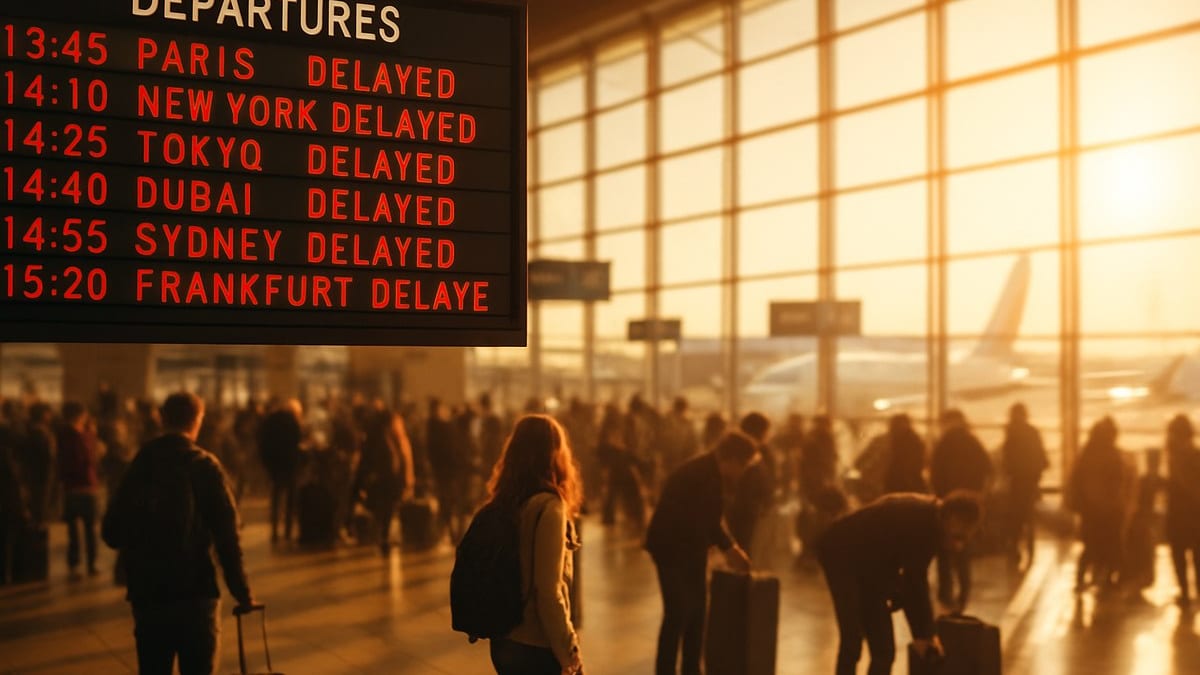
Hundreds of travelers faced extended waits and missed connections on April 11 as Phoenix Sky Harbor International Airport logged 163 delayed flights and two cancellations, rippling disruption across some of the busiest routes in the United States.
Get the latest news straight to your inbox!
Extent of the Disruption at Phoenix Sky Harbor
Published flight-status data for April 11 indicate that Phoenix Sky Harbor experienced 163 delayed departures and arrivals, along with two confirmed cancellations, across a mix of domestic and limited international routes. The impact was concentrated in the late morning and afternoon hours, when traffic peaks and the airport’s role as a connection point is most pronounced.
Publicly available information shows that American Airlines, Southwest Airlines and JetBlue accounted for a significant share of the affected schedule. Flights bound for major hubs, including Chicago, New York and Los Angeles, were among those most frequently flagged for delays, complicating onward travel for passengers relying on tight connection windows.
Operational dashboards tracking the airport’s performance on April 11 pointed to rolling departure setbacks rather than a single prolonged ground stop. Many flights pushed off the gate later than scheduled or spent additional time waiting in departure queues, creating a pattern of knock-on delays that continued into the evening.
While the number of outright cancellations remained limited, the high volume of delayed services meant that travelers encountered lengthy lines at customer-service counters and congested gate areas as airlines worked within constrained aircraft and crew availability.
Weather, Winds and Operational Strain
Forecast material for the Phoenix area over the April 10 to April 12 period highlighted breezy conditions and a shift to slightly cooler temperatures after an early spring warm spell. Regional weather reports pointed to winds frequently in the 20 to 30 mile per hour range on April 10, with gusty conditions lingering into April 11, a pattern that can feed into air traffic management adjustments and extended spacing between aircraft.
Although federal aviation status boards did not display a long-running formal ground stop at Phoenix on April 11, publicly visible data showed intermittent flow constraints as controllers and airlines balanced higher traffic volumes with changing wind and visibility thresholds. Even modest restrictions on departures and arrivals can quickly translate into delays when schedules are tightly constructed.
In addition, the April 11 disruption followed a broader period of early spring weather volatility across parts of the United States, including strong systems in March that had already stretched airline resources. Industry analysis has noted that, in such conditions, even localized operational challenges at a key hub can become more difficult to absorb, particularly when aircraft and crews are already committed elsewhere.
The combination of gusty desert weather, heavy weekend demand and a busy bank of connecting flights left limited margin for recovery once the first wave of delays appeared on departure and arrival boards at Phoenix Sky Harbor.
Impact on Major Routes and Downline Airports
Available route data for April 11 show that services linking Phoenix with Chicago, New York and Los Angeles were among those most heavily affected by the delays. These city pairs represent high-frequency, high-demand connections that funnel travelers between the Southwest and some of the country’s largest population centers and airline hubs.
When Phoenix departures to these hubs left late, they arrived during already busy arrival periods, increasing the risk of missed or compressed connections for passengers heading onward to secondary destinations. Aviation industry commentary describes these effects as secondary delays, where an initial late departure creates further disruption in subsequent flight legs as aircraft and crew rotations slip behind schedule.
Travel-focused outlets reported that flights between Phoenix and other large markets, including Dallas and San Francisco, also experienced disruption, though with more varied delay lengths. In many cases, arrival times slipped by 30 minutes or more, while some services recorded significantly longer setbacks as they waited for inbound aircraft or replacement crews.
For travelers, this translated into a cascade of revised departure times, rebooked itineraries and extended waits in concourses across multiple airports. Even passengers not originating or terminating in Phoenix sometimes felt the impact when aircraft arriving from the Arizona hub entered their own departure queues behind schedule.
Traveler Experience Inside the Terminals
Accounts gathered from public forums and social media on April 11 and the surrounding weekend describe crowded gate areas, longer than usual lines at food outlets and packed seating zones in Phoenix Sky Harbor’s busiest terminals. Travelers reported repeatedly updated departure times and rolling delay notifications, particularly on midmorning and afternoon flights.
Some passengers indicated that they were offered same-day rebooking options or rerouting through alternative hubs when connection times in Chicago, New York or Los Angeles became untenable. Others described waiting on board aircraft at the gate or on the taxiway while departure flow programs adjusted takeoff sequences.
Despite these pressures, airport operations data suggested that security screening and check-in functions continued to run without major additional slowdowns. The most visible friction points were concentrated at departure gates, customer-service desks and baggage claim areas where late-arriving flights compressed activity into shorter operating windows.
Families beginning vacations, returning students and business travelers all appeared among those affected. Publicly shared images and descriptions from inside the terminal highlighted the challenge of finding open seating near crowded charging stations and flight information displays during the peak of the disruption.
What the April 11 Delays Signal for Spring Travel
Aviation performance statistics from recent months show that single days with thousands of delayed flights nationwide have become increasingly common, especially during transition seasons when weather systems are more active. Analysts point to a complex mix of factors, including tight airline scheduling, staffing constraints and aging air traffic control infrastructure, as contributors to the pattern.
The April 11 episode at Phoenix Sky Harbor fits within that wider context. While the airport’s 163 delays and two cancellations represent a fraction of the national total on a busy travel day, the event underscores how quickly a localized spike in disruption can ripple across key domestic routes, particularly those linking major hubs.
For travelers planning trips through Phoenix and other high-traffic airports this spring, publicly available guidance from travel and industry sources continues to emphasize flexible itineraries, longer connection buffers and close monitoring of flight-status notifications. Early check-in and the use of airline apps or departure boards can help passengers respond more quickly when cascading delays develop.
As airlines and airport operators prepare for the heavier summer travel season, the operational strain observed on April 11 at Phoenix Sky Harbor serves as a reminder that even relatively routine weather shifts and scheduling bottlenecks can generate significant disruption for passengers across the broader U.S. air network.