

More news on this day
Hundreds of passengers at Phoenix Sky Harbor International Airport faced a day of disrupted travel on April 11, 2026, as 163 flights were delayed and two were canceled, adding fresh strain to an already challenged U.S. air travel system.
Get the latest news straight to your inbox!
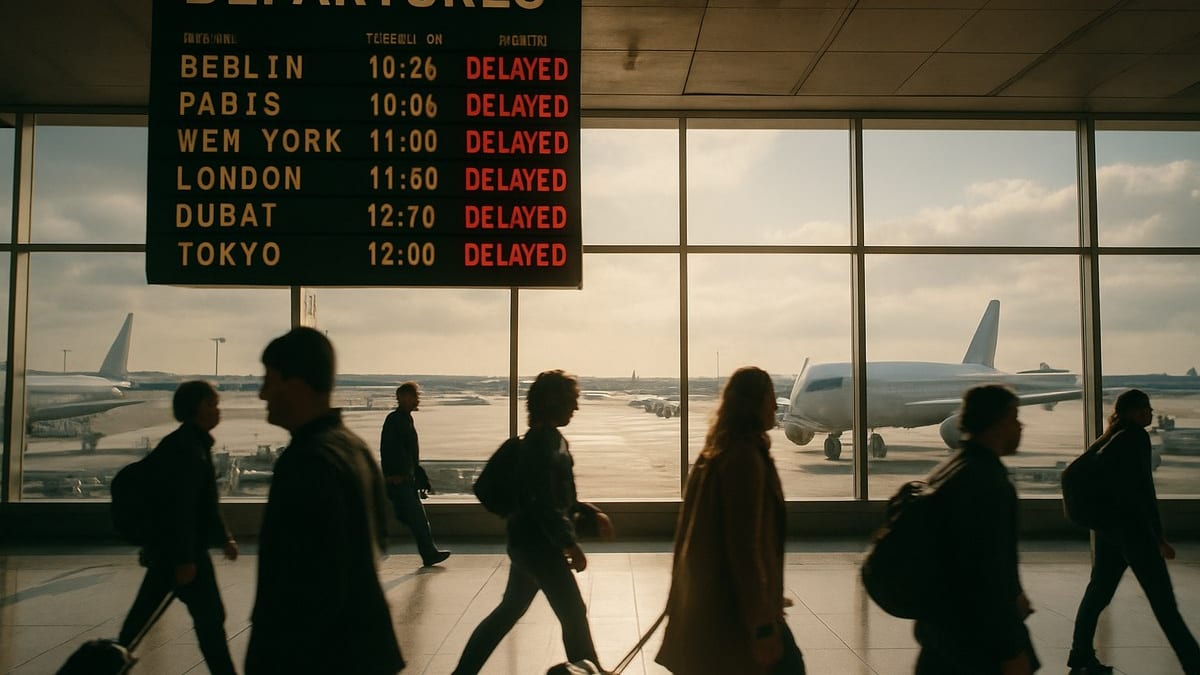
Busy Desert Hub Sees Departure Boards Fill With Delays
Publicly available flight-tracking and industry reports indicate that Phoenix Sky Harbor, one of the nation’s busiest airports, saw an unusually high cluster of delays on Saturday. A total of 163 flights were reported delayed alongside two cancellations, affecting primarily domestic services but also select connections to major international gateways.
The disruption unfolded across the airport’s main terminals, where departures to cities such as Los Angeles, Chicago, New York, Dallas and San Francisco were among those pushed back. The pattern reflected a mix of late-arriving aircraft and knock-on scheduling issues, rather than a single isolated incident.
Operational data highlighted that the majority of affected flights were handled by large U.S. carriers that maintain a strong presence in Phoenix, including American Airlines and Southwest Airlines, along with other domestic operators. The elevated volume of delayed departures placed added pressure on gate availability and turnaround times throughout the afternoon and evening.
Although Phoenix Sky Harbor often manages heavy traffic with relatively strong on-time performance, the April 11 figures stood out against typical daily operations, when the airport usually handles around 1,000 flights and more than 130,000 passengers.
Local Factors Add to National Aviation Pressures
The wave of delays in Phoenix came amid a broader spell of operational stress across the U.S. aviation network in recent days. National coverage of flight data for the week leading up to April 11 pointed to several thousand delays and more than one hundred cancellations nationwide, with major disruption clusters at hubs in Atlanta, Chicago, Los Angeles, Houston and Las Vegas as well as Phoenix.
Analyses by travel and aviation outlets attribute the current pattern of irregular operations to a blend of high passenger demand, tight airline scheduling and ongoing staffing challenges. Earlier in the week, large numbers of delayed flights at multiple hubs suggested that even modest weather or traffic control constraints could quickly ripple through the system.
Phoenix’s role as a key connecting point in the U.S. Southwest magnifies the effect of such strains. When inbound flights arrive late from other congested hubs, outbound services from Sky Harbor can quickly slide behind schedule, leading to compounding delays as aircraft and crews struggle to realign with published timetables.
Recent highway construction and ramp-related work in the broader Phoenix area, scheduled largely for nights and weekends, has also drawn attention from local media and transport agencies. While these projects target long-term capacity and safety, they have the potential to complicate airport access patterns at peak times, particularly when combined with already stressed flight operations.
Passenger Experience Marked by Long Waits and Missed Connections
The high number of delayed departures translated into extended dwell times in terminals, with travelers facing longer waits at gates and service counters. Travel-industry reporting described departure screens populated with rolling delay estimates, leading to uncertainty for those with tight connections or time-sensitive plans.
Passengers connecting through Phoenix to other major hubs were particularly vulnerable. Even modest initial delays on outbound flights can result in missed onward connections in cities such as Dallas, Chicago or New York, often forcing same-day rebooking or overnight stays. This effect is magnified when multiple carriers at a single airport are affected at once.
Standard airline responses during such disruption periods typically include options to rebook onto later flights, reroute via alternate hubs, or receive refunds where schedules change significantly. Air travel rights resources note that compensation for delays within the United States is heavily dependent on the cause of the disruption and airline policies, but carriers are generally expected to provide clear communication on revised departure times and available alternatives.
Observers noted that many passengers at Phoenix used airline apps and digital notification tools to track changing departure estimates in real time. Travel guidance from recent national delay events has consistently emphasized the value of monitoring flight status frequently and arriving at airports with additional time when widespread disruption is anticipated.
Why Phoenix Sky Harbor Is Particularly Sensitive to Operational Shocks
Industry reports regularly rank Phoenix Sky Harbor among the more reliable large U.S. airports in terms of on-time performance, helped by typically favorable desert weather and a layout designed for high throughput. Even so, the airport’s position as a key hub and connection point makes it sensitive to external shocks elsewhere in the network.
Recent federal and regional analyses of airport operations have highlighted how runway capacity, construction cycles and air traffic control constraints can influence delay patterns at Phoenix. Past construction on major runways and taxiways has temporarily reduced departure capacity, while broader system issues, such as ground stops or spacing requirements in other regions, can rapidly cascade into the Phoenix schedule.
Seasonal weather in the Southwest also plays a role. While winter snow and ice are uncommon in Phoenix itself, storms in other parts of the country, along with seasonal monsoon thunderstorms in the region, have historically triggered pockets of disruption for flights to and from Sky Harbor. Aviation-focused publications have noted that extreme summer heat can at times affect aircraft performance margins, though such conditions are more typically a concern later in the year than in early April.
The April 11 disruption fits within a broader narrative of a national system operating near capacity, where relatively minor disturbances can translate into conspicuous spikes in local delays. Phoenix’s experience illustrates how quickly a hub known for efficiency can face congestion when confronted with intense scheduling pressure.
Guidance for Travelers Flying Through Phoenix After the Disruption
Travel advisory services responding to recent nationwide delays have urged passengers transiting busy U.S. hubs, including Phoenix, to build in additional time for connections and to use digital tools to stay informed. Checking flight status repeatedly in the 24 hours before departure, enabling push notifications in airline apps and confirming gate information upon arrival are among the commonly recommended steps.
For those with flexible schedules, some experts suggest looking at off-peak departure times, which can be less vulnerable to knock-on effects from earlier delays. Morning flights often depart before daily congestion fully builds, although this pattern can vary depending on the route and carrier.
Passenger rights organizations advise travelers affected by significant delays or cancellations to keep records of boarding passes, delay notifications and any additional expenses incurred, such as meals or overnight stays. These documents can be important when seeking reimbursements or goodwill accommodations under airline policies or applicable regulations.
While the 163 delays and two cancellations recorded at Phoenix Sky Harbor on April 11 are expected to ease as operations normalize, the episode serves as a reminder that even well-regarded hubs are not immune to the broader stresses currently facing U.S. aviation. For travelers, staying informed and prepared remains one of the most effective ways to navigate an increasingly fragile air travel environment.