

More news on this day
U.S. and Canadian travelers are being urged to rethink what they carry on their phones and post online as new advisories highlight the risk of detention and even prison in one of the world’s most visited cities for those who refuse to unlock devices or share passwords, or whose social media content is deemed offensive under local law.
Get the latest news straight to your inbox!
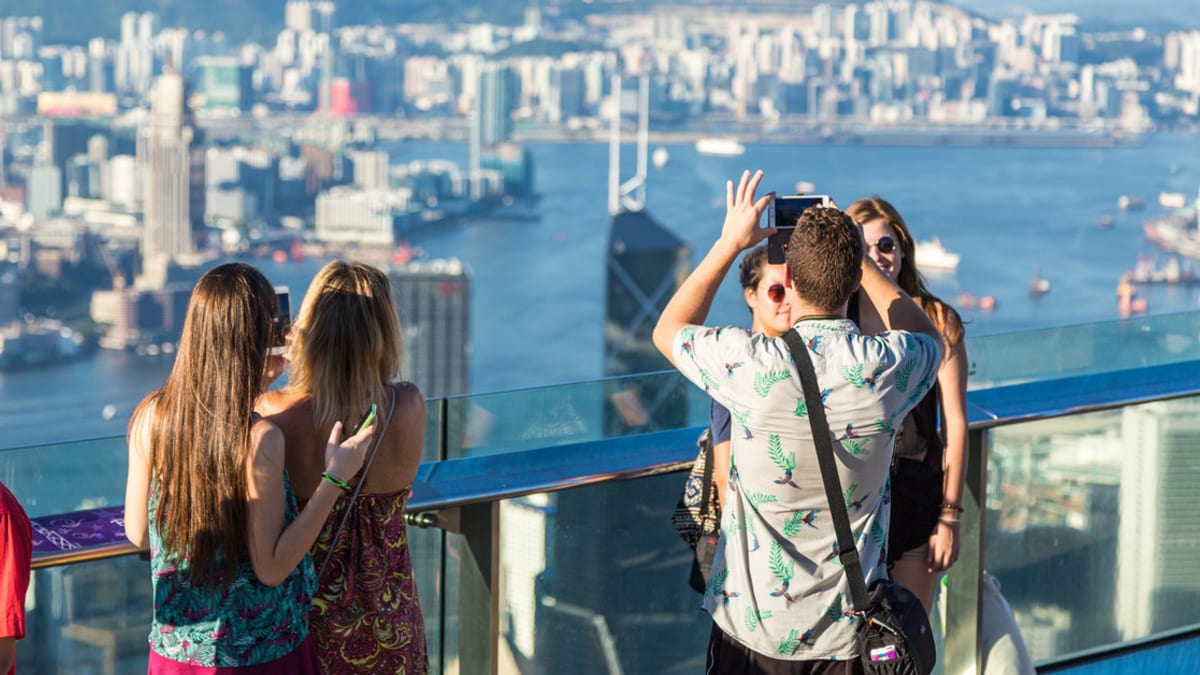
Image by TheTravel
Heightened Warnings For Tourists In A Top Global Destination
Recent updates to travel guidance for North Americans underline a growing digital risk in one of the world’s most popular urban destinations, where local security and cybercrime rules allow officials to demand access to phones, laptops, and social media accounts. The destination, widely cited in tourism rankings as the second most visited city globally in recent years, remains a magnet for international visitors but now features prominently in discussions about digital privacy and criminal liability for online speech.
Reports indicate that travelers can face legal consequences if they refuse to provide passwords or decryption assistance during certain types of investigations, with penalties that may include detention, fines, or imprisonment. In parallel, social media activity that would be protected expression in the United States or Canada can be treated as a criminal offense under local statutes related to national security, cybercrime, public order, or the protection of state symbols.
Publicly available information from consular updates and travel advisories notes that visitors are subject to local laws regardless of where or when their posts were originally made. In some cases, foreigners have reportedly been questioned or detained over historic posts, likes, or images stored on their devices, underscoring the long digital trail many tourists carry unknowingly across borders.
While millions of people continue to visit the city each year without incident, the new emphasis from both U.S. and Canadian sources reflects concern that even routine screening or a minor misunderstanding at a checkpoint could escalate once a traveler’s digital life is opened to scrutiny.
Social Media Posts As Potential Criminal Evidence
Government travel advisories increasingly flag social media as a potential source of legal jeopardy, especially where speech-related offenses carry broad definitions or heavy penalties. In the city at the center of the latest warnings, online content interpreted as insulting public institutions, spreading misinformation, supporting banned groups, or undermining national security can be treated as a criminal act, regardless of whether it was posted from abroad or years before the trip.
According to publicly available summaries of local legislation, prosecutors in some jurisdictions can pursue cases tied to posts, comments, images, or private messages, even when these were intended for a limited audience. High-profile regional cases have involved lengthy prison sentences over online commentary, which travel experts now cite as a cautionary backdrop for visitors tempted to treat social feeds as casual or ephemeral.
Analysts note that automated monitoring tools and tip-offs from other users may bring foreign accounts to the attention of local authorities. Once a visitor is physically present within the country’s borders, older posts that were never problematic at home may suddenly fall under local criminal codes. This has led legal observers to advise tourists to think beyond what is acceptable under North American standards when planning trips to destinations with stricter controls on speech.
For U.S. and Canadian travelers, this means that a critical post about a foreign leader, satirical memes, or even symbolic images saved on a device could, in extreme scenarios, complicate entry, lead to questioning, or form part of a broader investigation if officials choose to look more closely.
Phone Searches And Password Demands At The Border
Digital searches at borders are not new, but recent developments in this high-traffic city have brought sharper attention to the scope of local powers. Public reporting on updated rules describes scenarios in which law enforcement may request that individuals unlock phones and computers or provide passwords, emphasizing that refusal can itself constitute a separate offense in some situations.
Canadian privacy bulletins and summaries of international guidance already warn that travelers in various countries may be asked to disclose passwords without a requirement for individualized suspicion. In the latest context, the combination of a mandatory cooperation framework and expansive cybercrime laws has raised fears that tourists could be punished simply for declining to open devices that contain years of personal and professional data.
Specialists in digital rights point out that device inspections can go far beyond a quick glance at photos. Once unlocked, a smartphone may expose entire message histories, cloud-connected archives, and access tokens for email and social platforms. In jurisdictions where national security or public order laws are broadly worded, any material interpreted as sympathetic to proscribed organizations or critical of state institutions could be viewed as incriminating.
The situation has become a flashpoint in wider debates about privacy and surveillance in tourism hubs. Even as local authorities promote the city’s image as open and global, civil liberties commentators argue that aggressive border searches risk unsettling visitors who are used to stronger protections on digital privacy at home.
U.S. And Canadian Advisories Reflect Broader Global Trend
The new emphasis from U.S. and Canadian sources regarding this particular city fits into a broader pattern in which digital risk now features alongside more traditional concerns such as crime, civil unrest, or health issues. Travel advisories maintained by the U.S. Department of State and the Government of Canada increasingly include explicit references to local cybercrime statutes, online speech restrictions, and the possibility of wrongful detention tied to digital behavior.
For example, current regional advisories highlight that in some countries, social media activity has resulted in prison sentences reaching several decades, and that local authorities may disregard the original context of a post. These notices stress that once travelers cross a border, they lose the protections of their home country’s legal framework and must navigate a radically different balance between security and free expression.
Canadian government communications have also drawn attention to the powers of foreign border agents to search phones and laptops and to request access credentials, noting that reasons may not always be provided at the time of inspection. Combined with similar messaging from U.S. consular outlets on device searches and online expression, the picture that emerges is one of converging concern across North America.
Travel analysts say that these warnings do not signal an end to tourism in the affected city, which remains a premier destination for culture, business, and transit. Instead, they reflect a recalibration of risk assessments as digital lives grow more intertwined with border enforcement, making it harder for visitors to separate vacation plans from long-standing online personas.
How Travelers Can Reduce Their Digital Exposure
In response to the evolving landscape, privacy advocates and travel security specialists are promoting practical steps to limit the amount of sensitive information carried across borders. Commonly recommended tactics include traveling with a secondary or “clean” device that contains only essential apps and temporary accounts, using strong authentication, and minimizing locally stored archives such as photo backups and messaging histories.
Guides produced by digital rights organizations also suggest reviewing social media profiles and privacy settings before departure, including removing or hiding content that could be misinterpreted under stricter legal regimes. Some recommend signing out of applications, disabling automatic cloud sync where feasible, and avoiding the storage of politically sensitive materials or images that could raise questions in destinations with broad national security provisions.
For many leisure travelers, however, such measures can feel extreme, especially when visiting a city long marketed as cosmopolitan and open. Travel planners observe that families on holiday or short-term business visitors often prioritize convenience, relying on a single primary device for navigation, translation, and payments. This reliance makes the prospect of handing over a phone even more daunting, since it risks not only privacy but also the disruption of the entire trip.
Experts advising corporate travelers note that organizations are increasingly incorporating digital border risk into their duty of care policies, updating briefings and training materials to account for countries where password demands, social media scrutiny, and potential imprisonment for online expression have become realistic, if still relatively rare, concerns.
Balancing Popularity With Emerging Privacy Concerns
The city at the center of these warnings illustrates a growing tension in global travel: destinations can be both thriving tourist magnets and sites of stringent digital control. Visitor numbers remain high, and hotel and airline data show continued demand, yet the narrative surrounding a trip there now includes considerations about encryption, deleted posts, and backup devices.
Tourism boards and industry stakeholders are closely watching how travelers respond. Some analysts predict that most visitors from the United States and Canada will continue to come, adjusting behavior slightly by avoiding controversial posts during and immediately before trips. Others anticipate a more cautious approach from those in sensitive professions, such as journalists, activists, or people with extensive public social media histories.
For now, the updated advisories and media coverage serve primarily as a warning that the border experience is changing in step with technology. Where once the main concerns for a city break were pickpockets and lost luggage, tourists must now consider how a phone password or an old social media post could shape their interactions with law enforcement in one of the world’s most visited urban centers.
As digital footprints grow larger and more permanent, industry observers expect that more destinations will issue clear rules about device access and online content, leaving travelers to weigh the allure of iconic skylines, museums, and restaurants against a more complex and sometimes opaque landscape of data, surveillance, and potential legal exposure.