

More news on this day
Across Asia, a new travel pattern is taking shape as destinations from Phuket to Taipei position themselves as affordable gateways to authentic neighborhoods, family-run stays, and crowd-free coastlines framed by dramatic scenery.
Get the latest news straight to your inbox!
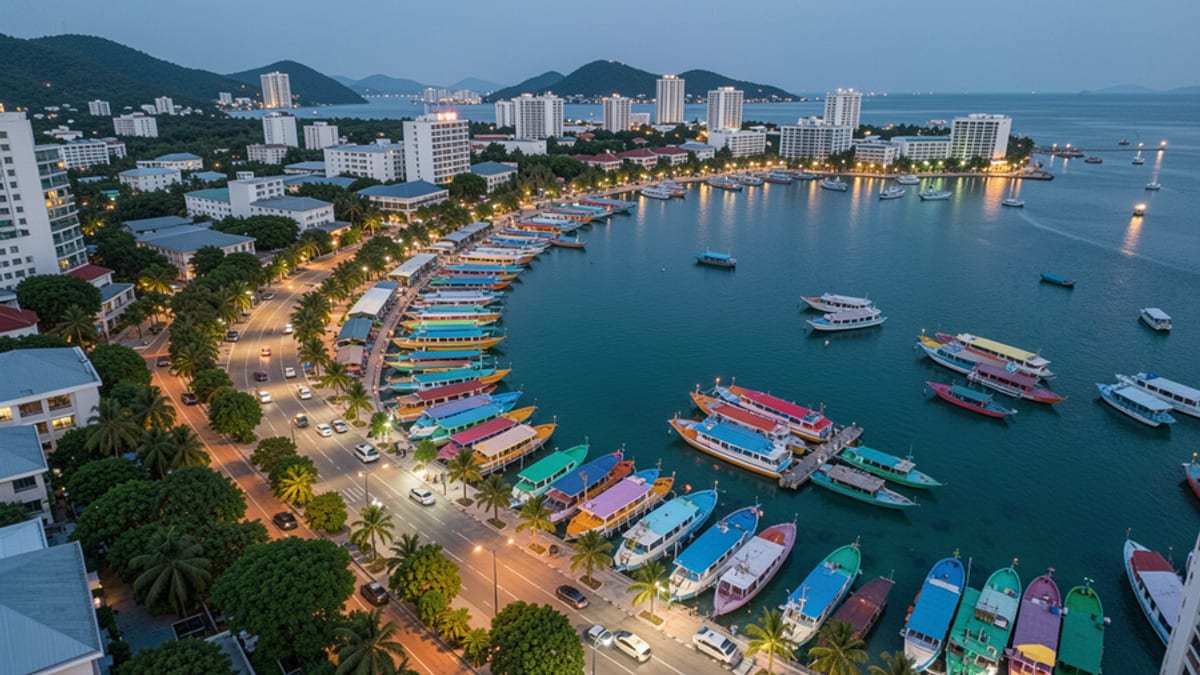
Image by Latest International / Global Travel News, Breaking World Travel News
Phuket Shifts Focus From Party Strip to Local Neighborhoods
Known for its high-rise resorts and nightlife, Phuket is now drawing attention for quieter districts that emphasize locally owned guesthouses, neighborhood markets, and easy access to Andaman Sea viewpoints. Travel platforms and regional coverage increasingly highlight areas away from Patong, where small hotels and homestays cluster around community beaches and mangrove walks.
Publicly available information shows that budget and mid-range properties in these less commercialized parts of the island often include pools and breakfast at rates that undercut more famous resort strips, while still keeping travelers close to snorkeling spots and island-hopping piers. New coastal boardwalks and upgraded local roads are also making it easier to move between fishing villages, lookout points, and urban food streets without relying on package tours.
Reports indicate that this shift is resonating with younger travelers and remote workers who prioritize value and a slower pace. Rather than flying in for short, high-cost breaks, visitors are staying longer in small hotels and serviced apartments, spending more on local seafood markets, noodle shops, and independent cafes that ring Phuket Town and the island’s less-developed bays.
The result is that Phuket, long seen as a mass-market beach destination, is increasingly being discussed alongside other “second-layer” Asian cities and islands where affordability, food culture, and natural beauty converge outside the most photographed hotspots.
Bangkok and Chiang Mai Build Buzz Beyond Their Historic Centers
In Thailand’s capital, a growing number of travel guides for 2025 and 2026 spotlight districts that sit just outside traditional tourist corridors. Coverage points to riverside areas, creative warehouse zones, and former trading quarters where restored shophouses now share space with family-run hostels and low-rise boutique hotels. These neighborhoods tend to offer lower room rates than Sukhumvit’s high-rise complexes while putting visitors within walking distance of long-established markets and late-night street food.
Analyses of Bangkok’s rental and hotel markets show that budget stays in these districts can fall well below typical downtown prices, with guesthouses and small hotels frequently including air conditioning, coworking corners, and proximity to mass transit. For travelers focused on food, the same neighborhoods are home to traditional breakfast stalls, Chinese-Thai bakeries, and riverfront seafood vendors that rarely appear on first-time itineraries.
Further north in Chiang Mai, similar patterns are visible in areas beyond the historic Old City and the trend-driven Nimmanhaemin strip. Independent reporting notes a rise in affordable stay options in districts that back onto rice fields and foothills yet remain only a short ride from the city’s markets and temples. Homestays and small eco-lodges promote access to hiking trails, community coffee farms, and quiet cycling routes as an alternative to crowded day tours.
Together, Bangkok and Chiang Mai illustrate how established Thai destinations are rebalancing toward neighborhood-level discovery, where the combination of modest daily budgets and vibrant local food scenes is seen as a core part of their appeal.
Bali’s Lesser-Known Regions Offer Value Alongside Volcanos and Rice Terraces
While Bali’s coastal hubs continue to draw global crowds, recent destination reports emphasize that some of the island’s best value lies in its less publicized regions. Coverage of Bali’s accommodation landscape in 2025 and 2026 points to inland and eastern districts where guesthouses, homestays, and simpler villas remain significantly cheaper than in the most visited beach towns.
Travel features highlight areas such as Sidemen, Amed, and parts of Karangasem and Bangli regencies, where terraced rice fields, volcano views, and coral-rich bays are often within a short drive of budget stays. Many of these properties are locally owned and include breakfast, pools, or kitchen access at nightly prices that appeal to long-stay visitors and digital workers seeking slower travel.
Budget guides also note that eating like a local in Bali remains one of the simplest ways to manage costs. Warungs serving dishes such as nasi campur and grilled seafood continue to offer full meals for a fraction of what visitors pay at international-style cafes in busier districts. Combined with inexpensive scooter rentals and competitive rates from local drivers, these food and transport dynamics help keep overall daily spending relatively low outside the island’s most commercialized pockets.
As discussions around overtourism grow, these emerging Bali bases are increasingly framed as both a value-conscious and sustainability-minded alternative, distributing visitor spending into communities that sit closer to the island’s rice terraces, waterfalls, and traditional villages.
Hanoi and Da Nang Blend Street Food Economies With Coastal and Mountain Escapes
In Vietnam, a similar pattern is unfolding as Hanoi and Da Nang appear more frequently in regional roundups of places that marry affordability with access to nature. Recent travel analyses describe Hanoi’s evolving outer districts, where small hotels and homestays line narrow streets filled with pho shops, coffee houses, and produce markets. Room rates in these neighborhoods often undercut those in the city’s central Old Quarter while keeping travelers close to the capital’s expanding metro and bus links.
From Hanoi, budget tours and independent transport connections to mountain regions such as Ninh Binh and Sa Pa remain a key part of the experience. These areas offer limestone peaks, rice terraces, and river caves that can be reached on day or overnight trips, allowing visitors to pair low-cost urban stays with short forays into some of northern Vietnam’s most dramatic landscapes.
Further south, Da Nang has moved beyond its role as a simple transit point between Hoi An and Hue. Publicly available data on hotel development shows a rise in mid-scale and budget properties along the city’s extended beachfront and near its riverside walkways. Local seafood markets, night stalls, and neighborhood noodle shops help keep dining costs modest, especially for those willing to walk a few blocks back from the main beach road.
Da Nang’s geographic position allows travelers to combine city stays with day trips to the Marble Mountains, Son Tra Peninsula’s forested slopes, and coastal viewpoints that remain less crowded than heritage centers nearby. This combination of city infrastructure, accessible nature, and comparatively low nightly rates has contributed to the city’s profile as one of central Vietnam’s strongest value propositions.
Taipei Emerges as a Gateway to Mountain Trails and Hot Spring Towns
Taiwan’s capital is also being recast as more than a stopover. Recent destination roundups point to Taipei’s role as a gateway to hiking routes, coastal cliffs, and hot spring valleys that can be reached on local trains in under two hours, often at modest cost. Neighborhoods outside the city’s central commercial districts are drawing notice for their mix of budget hotels, hostels, and family-run guesthouses woven into traditional markets and night street corridors.
Analyses of accommodation pricing in Taipei suggest that travelers who stay in these outlying districts often secure lower room rates while gaining immediate access to some of the city’s most renowned street food, from dumpling stalls to breakfast soy milk shops. The city’s integrated metro and rail network keeps transport expenses predictable, enabling low-cost day trips to destinations such as riverside cycling paths, tea-growing hills, and coastal viewpoints.
Beyond Taipei itself, information from regional tourism bodies highlights smaller towns known for hot springs, mountain trails, and coastal scenery. Many of these communities market simple guesthouses and inns as part of packaged experiences that combine rail passes, local meals, and guided walks, with pricing aimed at domestic and regional visitors seeking affordable weekend escapes.
Taken together, these developments position Taipei and its surrounding regions as part of a broader Asian trend, in which cities with strong public transport and dense food cultures are recentering their tourism stories on everyday neighborhoods, budget-friendly stays, and nearby landscapes that invite repeated, longer visits.