

More news on this day
Phuket is accelerating a transformation from mass-market beach escape to model eco-destination, unveiling a series of low-carbon, conservation and smart-city initiatives that seek to reset how the island engages with global tourism.
Get the latest news straight to your inbox!
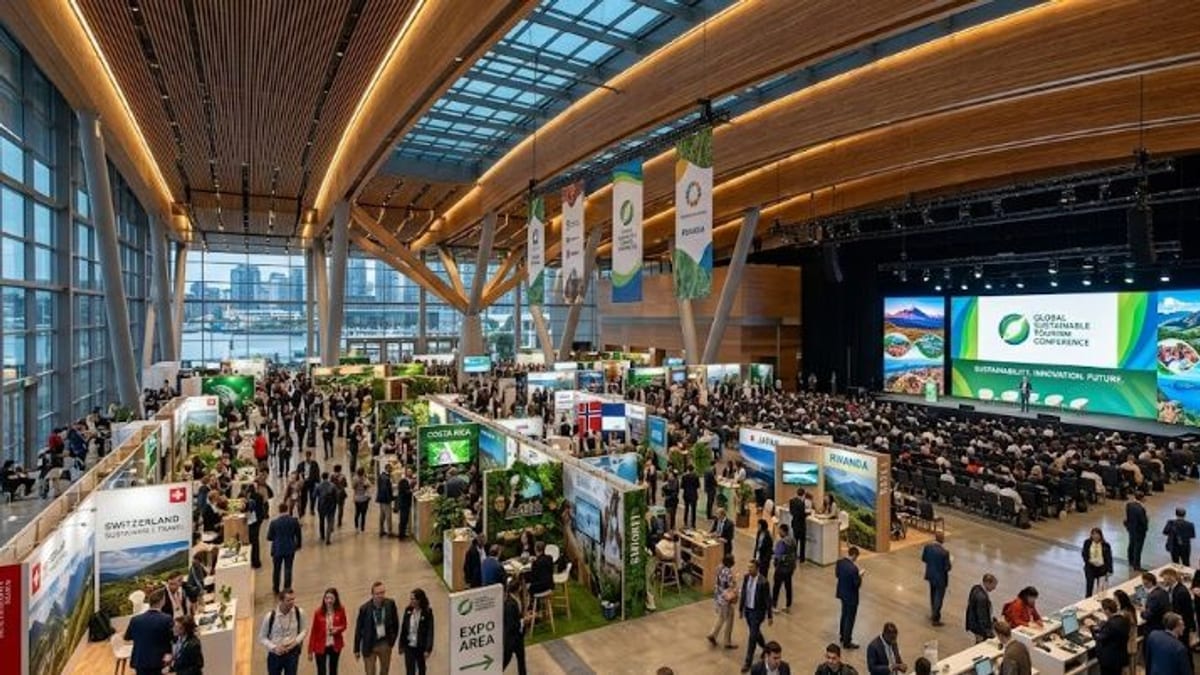
Image by Latest International / Global Travel News, Breaking World Travel News
A Strategic Pivot Toward Low-Carbon Island Tourism
After a decade defined by rapid growth and rising environmental pressures, Phuket is aligning itself with Thailand’s national push toward sustainable, higher-value tourism. Publicly available information shows that local agencies, industry groups and sustainability foundations are positioning the island as a “sustainable tourism city,” with targets that go beyond traditional marketing campaigns.
Central to this shift is the Phuket Sustainable Tourism Development Foundation, which is leading work to make the island’s historic Old Town carbon neutral by 2030. Recent documentation outlines a roadmap to measure and cut emissions linked to tourism activity, with goals to reduce greenhouse gases by 30 percent within three years and by half by the end of the decade. The initiative is being integrated into Thailand’s current national development plan, giving Phuket a prominent role in the country’s low-carbon transition.
This strategic pivot is also a response to intensifying regional competition and changing traveler expectations. Coverage of Thailand’s tourism performance in 2025 points to softer arrivals and growing pressure to offer deeper, more responsible experiences rather than volume-driven package travel. Phuket’s emerging eco-tourism positioning is intended to differentiate the island within Asia as demand for cleaner, climate-conscious holidays accelerates.
Smart City Projects And Transport Innovation Redraw The Map
Phuket’s sustainability narrative is increasingly tied to its evolution as a smart city. Reports on the island’s “Tinicon Valley” development describe a new urban district that recently received a national Smart City award, recognized for integrating extensive green space, digital infrastructure and low-carbon design. More than half of the project area is earmarked as greenery, a proportion that planners present as essential for carbon absorption and urban cooling in a dense coastal setting.
Smart mobility is emerging as another pillar. Documentation on Phuket’s Smart Bus system highlights data-driven operations and revenue-sharing models designed to expand public transport while reducing congestion tied to private vehicles and tour buses. At the resort level, large mixed-use complexes such as Laguna Phuket have introduced fully electric shuttle fleets linking hotels, beach clubs and residential areas, directly targeting transport emissions within high-traffic tourism zones.
These investments are intended to support a broader reconfiguration of how visitors move around the island. Proposals for expanded bus corridors, integrated ticketing and improved inter-island connections are framed as tools to reduce car dependency, cut emissions and ease pressure on popular beaches and viewpoints. If fully realized, observers note that such systems could make Phuket one of Southeast Asia’s most accessible low-carbon island destinations.
Resorts Embrace Circularity, Certifications And Local Supply Chains
On the hospitality front, Phuket’s eco-tourism ambitions are being underpinned by a visible shift in resort operations. Several beachfront and hillside properties now highlight sustainability credentials such as Travelife Gold and Thailand’s Sustainable Tourism Acceleration Rating, aligned with Global Sustainable Tourism Council benchmarks. Publicly available sustainability reports detail measures including refillable water systems, on-site waste segregation, renewable energy procurement and biodiversity-friendly landscaping.
At one prominent hillside resort, published data indicate that the transition away from single-use plastic bottles eliminated well over one hundred thousand units per year, with further reductions achieved as refillable stations were rolled out across rooms and public areas. Management statements point to plans to increase local sourcing from Phuket-based suppliers, a move that supporters argue can lower transport-related emissions while keeping tourism spending within the island’s economy.
Food waste has become another focal point. Coverage of Phuket’s food-waste reduction plans describes new data platforms, recovery networks and composting schemes intended to divert surplus from hotels and restaurants away from landfill. Local collaborations with food-rescue organizations and community kitchens are showcased as examples of how tourism-driven waste streams can be redirected to support social programs while cutting methane emissions.
Conservation, Coastal Protection And Community-Based Experiences
Phuket’s environmental push is also visible along its coastline and marine areas. In recent seasons, local agencies have backed conservation projects that range from beach-cleanup partnerships and plastic reduction campaigns to new sand-fence systems designed to slow erosion at vulnerable stretches of shoreline. Reports indicate that a 1,000 meter sand-barrier project at Sai Kaew Beach is being funded to stabilize dunes, protect nearby infrastructure and maintain the natural character that underpins the area’s tourism appeal.
The island has also played host to regional forums focused on sustainable island tourism. When Phuket welcomed the Inter-Islands Tourism Policy Forum in 2024, the program featured case studies on marine animal rescue, gibbon rehabilitation and coral-friendly snorkeling practices, casting the island as a laboratory for community-based conservation. Such events are used to showcase local projects, attract new funding and encourage other islands to replicate successful models.
For visitors, this emerging ecosystem translates into a growing menu of low-impact experiences. Operators increasingly promote small-group excursions into mangrove forests, guided walks through Sino-Portuguese heritage streets, and visits to rehabilitation centers and social enterprises. Industry observers note that these products are designed to spread tourism benefits inland and across the island’s communities, reducing pressure on already crowded beachfronts while giving travelers more meaningful ways to engage with Phuket’s culture and environment.
Global Stage: Trade Shows, Networks And The New Traveler
Phuket’s repositioning is not happening in isolation. At major trade events such as ITB Asia, the island has been presented as a showcase for Thailand’s sustainable tourism ambitions, with destination marketing materials emphasizing low-carbon travel options, creative industries and cultural heritage. According to published coverage, these showcases form part of a national strategy to pivot from mass arrivals toward “quality leisure” tourism that is environmentally conscious and higher spending.
The island’s membership in international platforms, including the UNESCO Creative Cities Network, further reinforces this direction. Monitoring reports for the network outline Phuket’s efforts to link cultural programming with environmental goals, from emissions-reduction initiatives in the historic center to festivals that highlight local gastronomy and crafts alongside sustainability themes. Participation in such networks allows the island to benchmark its progress against other global destinations and share lessons on managing growth pressures.
As airlines recalibrate routes and travelers pay closer attention to the impact of long-haul flights, destinations that can demonstrate credible climate action and community benefits are gaining prominence. Analysts following regional tourism trends suggest that Phuket’s combination of established global brand, increasingly rigorous sustainability targets and tangible on-the-ground projects positions the island to capture this new wave of demand. If current plans stay on track, Asia’s next leading eco-tourism hub may be hiding in plain sight on Thailand’s Andaman coast.