

More news on this day
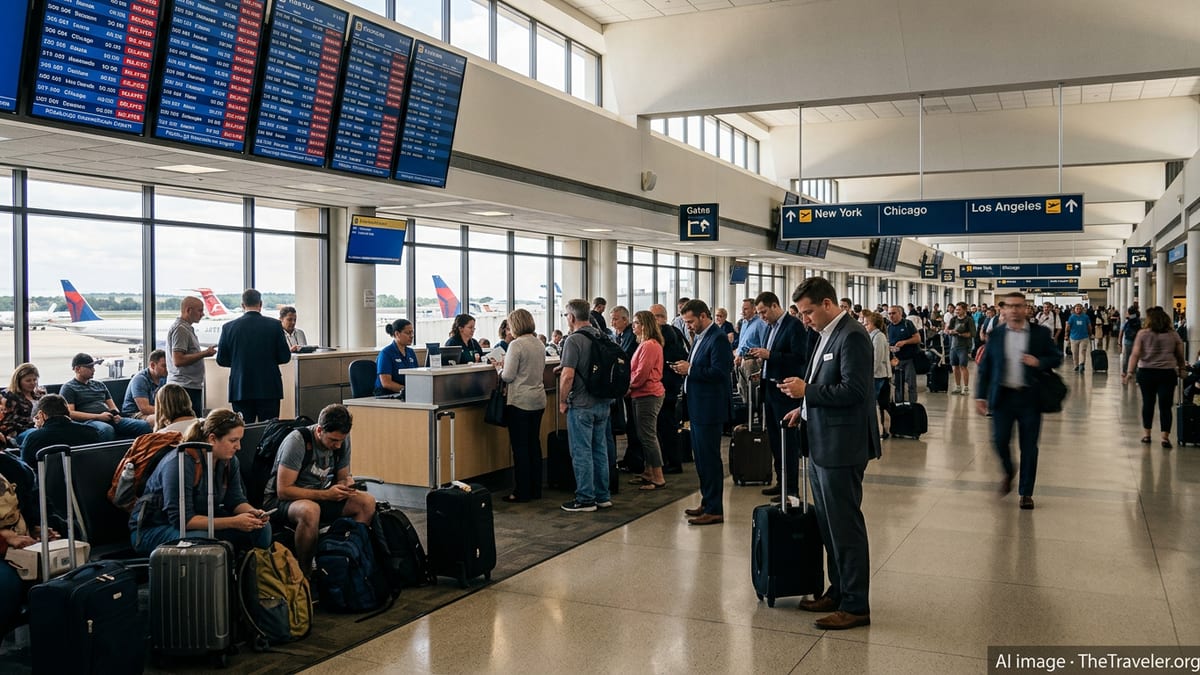
Hundreds of passengers moving through Pittsburgh International Airport faced an afternoon of mounting frustration as 82 delays and eight cancellations on Republic, Endeavor Air and JetBlue flights disrupted key routes to New York, Chicago, Los Angeles and other major U.S. cities.
Get the latest news straight to your inbox!
Ripple Effects Across Major Domestic Routes
The disruption began in the morning as departure boards at Pittsburgh International started to show creeping delays on several regional and mainline connections. By midday, the backlog had spread across flights operated by Republic Airways, Delta Connection carrier Endeavor Air and JetBlue, hitting some of the airport’s most in-demand routes to New York, Chicago and Los Angeles.
Travelers bound for New York area airports reported rolling departure times and extended gate holds, while Chicago flights saw aircraft held on the ground as operations teams tried to rebalance schedules. JetBlue customers connecting through East Coast hubs faced particularly tight margins, with late departures from Pittsburgh threatening onward connections to Florida and West Coast destinations.
Although only a handful of services were ultimately canceled, the high volume of delays meant aircraft, crew and passengers were often out of position. That left airlines juggling gate changes and last-minute reassignments, creating knock-on challenges for travelers even on flights listed as on time.
Los Angeles-bound passengers experienced some of the longest disruptions, with schedules pushed back into the evening as carriers sequenced departures around congestion at coastal hubs and limited available aircraft.
Airlines Cite Operational Strains and Congested Hubs
Early indications from airline staff at the airport pointed to a mix of contributing factors behind the turmoil rather than a single, clear-cut cause. Operational strains at major hubs, where Republic and Endeavor operate substantial regional networks, appeared to play a significant role, as minor schedule disruptions in the morning compounded into wider afternoon gridlock.
Ground staff referenced a familiar mix of constraints that often drive delays: tight aircraft turn times, crew scheduling limits and congested airspace around busy East Coast and Midwest hubs. Even when Pittsburgh itself remained relatively calm, bottlenecks at destination airports meant flights could not depart until arrival slots and gates were confirmed.
JetBlue operations were similarly affected as the airline contended with compressed schedules and high demand on key transcontinental and corridor routes. Delays on earlier legs of the day left some aircraft arriving late into Pittsburgh, narrowing already slim buffers and forcing departure pushbacks to remain in compliance with rest and crew duty regulations.
While official explanations varied flight by flight, the overall pattern reflected the fragility of tightly wound airline schedules, where even localized issues at one or two key airports can quickly reverberate through a national network.
Stranded Passengers Scramble for Alternatives
Inside the terminal, the human impact of the disruption was visible in long lines at customer service counters and crowded charging stations as travelers refreshed airline apps and waited for updates. Families on spring-break trips and business travelers on day-return schedules were among those most affected, particularly when delays stretched into multiple hours.
Some passengers were rebooked onto later evening departures or rerouted through alternative hubs, trading nonstops for one-stop connections to reach New York, Chicago or West Coast destinations. Others chose to abandon same-day travel altogether, securing hotel rooms near the airport or opting to drive to regional cities when possible.
Airport staff urged travelers to stay close to their gates and monitor digital boards, warning that gate assignments and departure times could change with little notice as airlines worked through the backlog. With food and retail concessions seeing an unexpected midday surge, some passengers expressed concern about access to meals and services if delays pushed further into late-night hours.
Frequent flyers, while often more familiar with irregular operations, noted that the clustering of disruptions across three carriers made it harder to switch to alternate airlines, as available seats on unaffected routes quickly disappeared.
Operational Lessons for Pittsburgh’s Growing Air Market
The day’s events underscored both the strengths and vulnerabilities of Pittsburgh International’s evolving role in the U.S. aviation network. Once a major hub and now a growing origin-and-destination airport, Pittsburgh relies heavily on regional partners such as Republic and Endeavor, along with point-to-point carriers like JetBlue, to maintain frequent links to national business and leisure centers.
When several of those operators encounter simultaneous operational pressure, the impact on local travelers can be swift and far-reaching. Aviation analysts note that, while overall on-time performance has improved since the height of the pandemic-era disruptions, days like this reveal how quickly high utilization and tight scheduling can leave little margin for error.
For Pittsburgh, which has invested in terminal modernization and expanded service in recent years, maintaining resilience during irregular operations will remain a key focus. Close coordination between airport operations teams, airline station managers and federal air traffic controllers is critical to mitigating the effects of congestion at distant hubs.
As airlines continue to refine schedules heading into the busiest travel periods of the year, observers will be watching whether carriers serving Pittsburgh build in more operational buffers on key routes to New York, Chicago and Los Angeles, aiming to reduce the risk that a handful of early disruptions can cascade into an afternoon of widespread delays.