

More news on this day
Hundreds of travelers at Pittsburgh International Airport faced an unexpected overnight ordeal as storms and widespread airline disruptions triggered mass cancellations on routes to New York City, Orlando and Miami, leaving many passengers stranded in terminals and hotel lobbies across the region.
Get the latest news straight to your inbox!
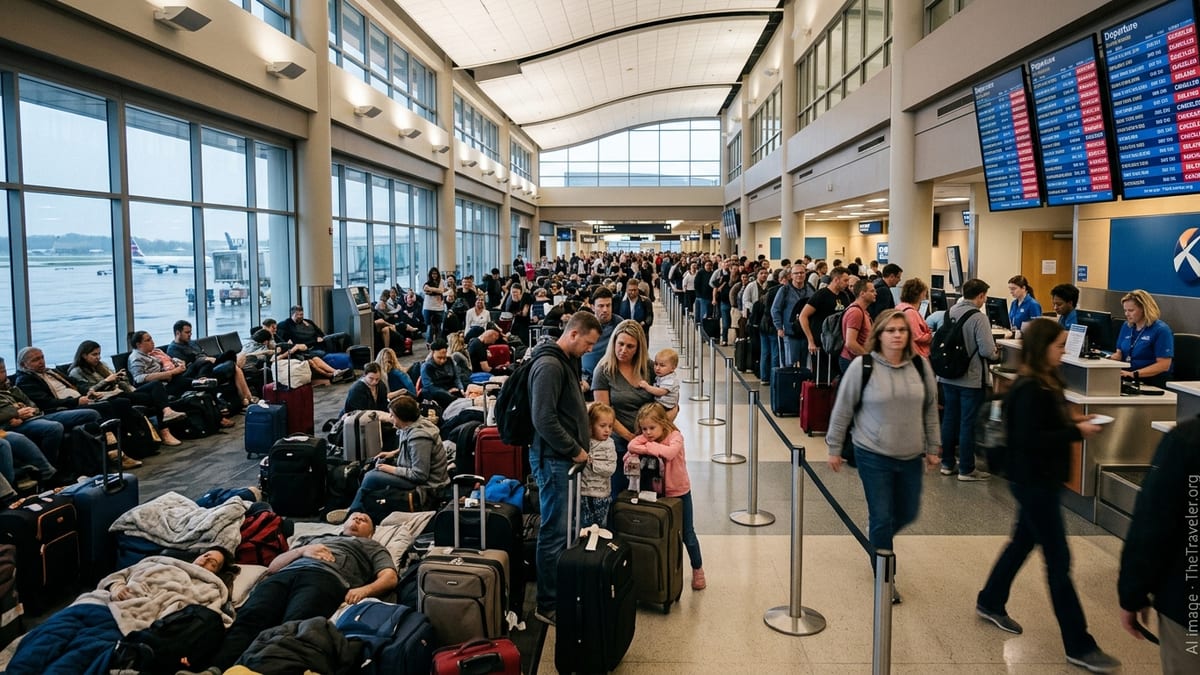
Overnight Cancellations Hit Key East Coast and Florida Routes
The turbulence for travelers began building on the evening of March 17, as a powerful mid-March storm system continued to move across large portions of the United States, disrupting airport operations along the East Coast and in the Midwest. Publicly available flight tracking data for March 18 shows clusters of cancellations at major hubs including New York City and in Florida, with ripple effects extending to Pittsburgh International Airport.
By early Wednesday, reports from passengers and live tracking platforms indicated that multiple departures from Pittsburgh to the New York City area, Orlando and Miami had been scrubbed from the schedule. The affected flights span several major carriers operating to New York’s primary airports as well as to Orlando International and Miami International, where airlines have also been contending with heavy volumes of spring travel and their own backlogs of delayed aircraft and crews.
The cancellations hit at a particularly sensitive time, with many travelers in the region heading out for spring break or attempting to connect onward to Caribbean and Latin American destinations via Florida hubs. With limited daily frequencies from Pittsburgh on some of these routes, even a handful of scrapped flights translated into hours or, in some cases, days of delay for stranded passengers.
Conditions at large connecting hubs have added further strain. Recent coverage of nationwide operations shows that severe weather in recent days produced thousands of cancellations and delays across the country, particularly at major East Coast airports. As Pittsburgh relies heavily on those hubs for onward connections, local schedules quickly reflected the wider disruption.
At the Terminal: Crowded Gates, Long Lines and Limited Options
Travelers passing through Pittsburgh International on Wednesday morning encountered crowded gate areas and lengthy lines at airline service counters as they attempted to secure new itineraries. Social media posts from overnight and early morning described travelers sleeping on the floor near charging stations, families lining up at customer service desks for hours and would-be vacationers trying to reroute through alternative hubs.
Similar scenes have been reported in Orlando and Miami in recent days as weather and operational challenges collided with high seasonal demand. Travelers connecting through those airports from Pittsburgh have shared accounts of multi-day waits, heavily oversold standby lists and fully booked later departures to the Northeast. For passengers whose flights between Pittsburgh and these cities were canceled entirely, options were sometimes reduced to long rebooked routings, overnight hotel stays or renting cars for overnight drives along the I-95 and I-79 corridors.
Industry observers note that when storms disrupt operations across multiple regions at once, smaller and mid-sized airports like Pittsburgh can experience a disproportionate impact. With fewer daily flights on key city pairs, any single cancellation removes a larger share of total available seats, making it harder for airlines to quickly re-accommodate everyone whose itinerary has been affected.
As Wednesday progressed, schedules showed a slowly improving picture nationally, but the backlog created overnight continued to reverberate through morning and midday departures. Travelers faced uncertainty over whether remaining flights to New York, Orlando and Miami would depart on time, face rolling delays or be canceled closer to boarding.
Why So Many Flights Were Scrubbed Overnight
The current wave of disruption at Pittsburgh International is part of a broader operational strain across the U.S. air network. A major mid-March storm complex has brought heavy snow, strong winds and severe weather to large parts of the Midwest and Northeast since March 13, leading to extensive ground delays, de-icing backlogs and temporary reductions in the number of flights allowed to land or depart at several busy hubs.
Publicly available information from aviation data providers indicates that thousands of flights were canceled nationwide early this week as weather-related restrictions collided with heavy spring travel. New York City’s airports have been among the hardest hit, with gusty winds and low visibility periodically slowing operations. When those hubs reduce arrivals and departures, the impact quickly spreads to feeder airports such as Pittsburgh, where flights to New York may be held, delayed or canceled outright.
At the same time, airline networks remain tightly scheduled, with aircraft and crews often operating multiple legs per day. When a plane or its crew is delayed or diverted earlier in the day due to weather at another airport, subsequent flights on that aircraft, including those out of Pittsburgh to Florida, can be canceled late in the evening. According to published coverage, some carriers have also been adjusting schedules to cope with ongoing staffing and maintenance pressures, which can reduce the system’s flexibility during disruptive weather events.
Operational challenges in Orlando and Miami have added further complications. These Florida hubs handle large volumes of leisure traffic and connections, so delays there can cascade quickly. Recent first-hand reports from travelers describe crowded terminals, long standby lists and multiple rounds of cancellations for flights to and from both cities, exacerbating the difficulties now playing out for Pittsburgh-based passengers.
How to Check if Your Flight Is Affected
With cancellations and delays continuing to evolve through the day, travelers with upcoming trips between Pittsburgh and New York, Orlando or Miami are being urged by airlines and airport operators to closely monitor their flight status. Public-facing tools, including airline mobile apps, carrier websites and third-party flight tracking services, now update in near real time and often provide earlier visibility into schedule changes than departure boards at the terminal.
Passengers are advised to check their flight number repeatedly in the hours before leaving home, even if the itinerary still appears confirmed. Same-day schedule adjustments are common during large-scale disruption periods, and a flight that looked safe the previous evening can shift to significantly delayed or canceled status overnight. In many cases, travelers can self-service rebooking through an airline’s app or website without waiting in line at the airport, particularly when a waiver is in effect for weather-related changes.
Travel experts frequently recommend arriving at the airport earlier than usual when disruption is widespread, in case security lines or check-in counters are congested. However, when cancellations are already confirmed and alternative options are limited, some travelers may be better served by contacting their airline remotely before heading to the terminal. Publicly available airline policies outline when customers are eligible for free changes, refunds or travel credits in the event of major schedule disruptions.
Those with critical connections, such as cruises departing from Florida ports or long-haul international flights out of New York, should verify whether downstream segments remain intact even if the Pittsburgh leg is still scheduled. If a missed connection appears likely, rebooking the entire itinerary through a different hub or on a different day may offer a more reliable path than waiting in hopes that original flights will depart on time.
What Stranded Travelers Can Do Right Now
For passengers already stranded at or near Pittsburgh International, immediate steps can help reduce further stress. Airlines typically encourage travelers to confirm any new flights, seat assignments and baggage arrangements digitally to avoid repeated trips to the service desk. Screenshots of updated itineraries and baggage claim tags can be useful if further changes occur.
Where overnight stays are required, hotel availability near the airport can tighten quickly during major disruption events. Some travelers may find more options by expanding their search radius into downtown Pittsburgh or nearby suburbs reachable by rideshare or public transit. Publicly available consumer guidance recommends keeping all receipts for lodging, meals and transport in case partial reimbursement or travel insurance claims are possible later.
For those who can be flexible, alternative routes may ease the journey. Some passengers are choosing to rebook via other hubs, such as connecting through different East Coast or Midwest cities that are less affected by the storm’s lingering impacts. Others opt to shift their travel dates entirely, particularly when heading to leisure destinations like Orlando and Miami where plans can sometimes be adjusted by a day or two without major penalties.
With more unsettled weather and heavy travel demand expected to continue into the week, travelers using Pittsburgh International are likely to face ongoing challenges, especially on flights linking the city with New York and Florida. Close attention to real-time information and a willingness to adjust plans remain the best tools for navigating the continuing disruption.