

More news on this day
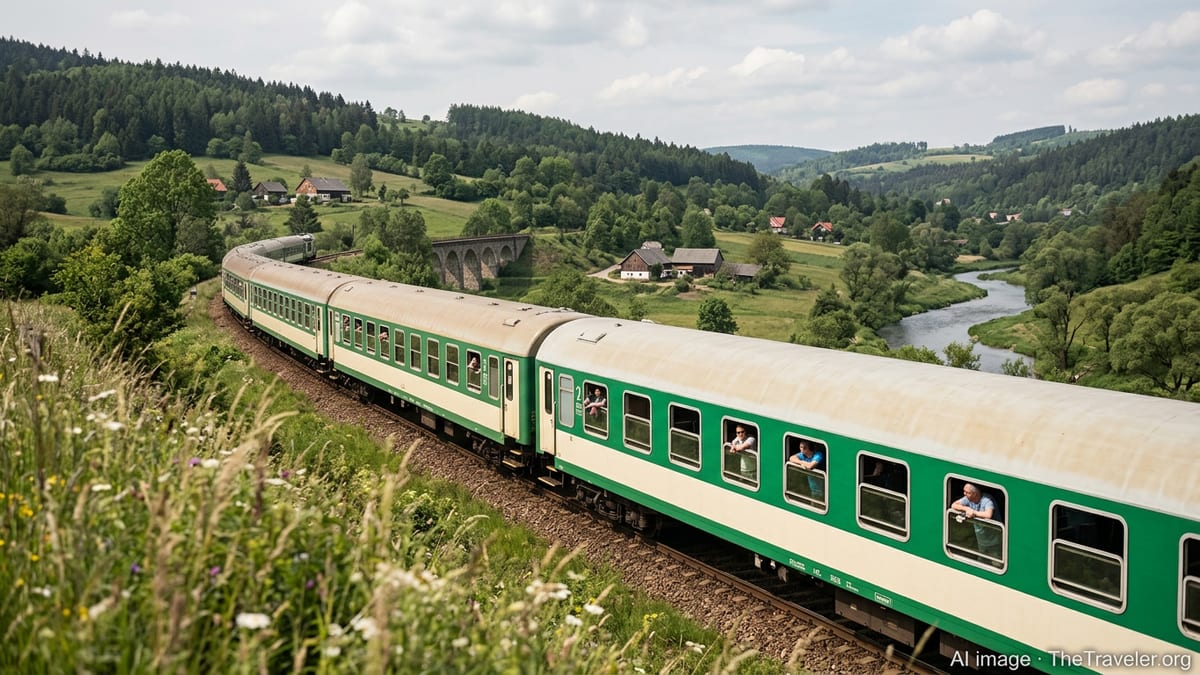
Poland’s national long distance operator PKP Intercity is rolling out a new retro rail experience that trades speed for scenery, inviting travelers to explore some of the country’s most picturesque regions in lovingly refurbished 1980s era carriages.
A Nostalgic Newcomer on Poland’s Rail Map
The new weekend service, marketed as an “unhurried” rail journey, is being introduced in March 2026 as part of celebrations marking the 25th anniversary of PKP Intercity and 100 years since the creation of the original Polish State Railways. Operating with classic compartment coaches from the 1980s, the train has been restored to evoke the look and feel of late communist era rail travel, from upholstery patterns to traditional signage, while meeting current safety and comfort standards.
Rather than racing between major cities, the retro train is designed to move at a gentler pace, encouraging passengers to linger over the passing landscapes and stopovers along the way. Onboard announcements, period inspired graphics and curated background music further enhance the sense of stepping back in time, while air conditioning and modern toilets quietly anchor the experience in the present.
Tickets for the new service are set to go on sale in the second half of March 2026 through PKP Intercity’s usual channels, including its website, app and station ticket offices. Early marketing is targeting both domestic travelers and foreign visitors looking for a distinctive way to experience Poland by rail, with the retro element positioned as a counterpoint to the operator’s rapid fleet modernization elsewhere on the network.
Scenic Routes Linking Mountains, Rivers and Historic Towns
PKP Intercity is deploying the retro consist on routes selected as much for their scenery as for their tourism potential, stitching together mountain valleys, river gorges and historic towns that are already established leisure destinations. While detailed timetables will be finalized closer to launch, the new trains are expected to run on weekends and holidays, with itineraries designed for short breaks and overnight stays.
Among the regions highlighted in promotional materials are the forested uplands and mountain corridors of southern Poland, including access to landscapes such as the Owl Mountains and other routes known for viaducts, tunnels and sweeping valley views. Coastal and lake district sections, popular in summer, are also under consideration for seasonal deployments, offering slow travel alternatives to busy motorways.
Stops are planned in mid sized towns with strong cultural or natural appeal, giving passengers time to explore local markets, historical centers and nearby hiking trails before rejoining the train. The concept aligns with broader tourism strategies that encourage visitors to look beyond Poland’s largest cities and spread spending to smaller communities linked by the national rail grid.
Onboard Details: 1980s Atmosphere With Modern Comforts
To create an authentic retro atmosphere, PKP Intercity has retained the compartment layout typical of long distance trains in the 1980s, including sliding doors, overhead racks and corridor windows that can be opened for photography in selected sections where regulations allow. Original style seat fabrics and color schemes have been reproduced, while lighting has been adjusted to mimic the warmer tones of earlier rolling stock.
At the same time, the operator has emphasized that the trains comply with contemporary safety and comfort requirements. Technical upgrades include overhauled braking systems, refreshed bogies and modernized electrical installations. Select coaches provide power sockets and discreet Wi Fi coverage, although the marketing encourages passengers to “disconnect” and focus on the view outside rather than screens.
Catering is planned in the form of a small buffet or trolley service offering classic Polish snacks and drinks associated with rail travel, alongside regional specialties sourced from the areas the train traverses. Staff are being briefed on the historical aspects of the service so they can answer questions and point out notable sights along the route, blurring the line between regular train crew and informal tour guides.
Packages, Pricing and Added Travel Perks
The retro rail project is being closely integrated with Poland’s domestic tourism industry through partnerships that bundle train tickets with accommodation and local activities. Travelers who purchase their retro journey through PKP Intercity’s digital channels are being offered promotional discounts on overnight stays at selected hotels and holiday centers operated by CS Natura Tour, lowering the cost of weekend getaways built around the train.
Pricing is expected to sit slightly above standard long distance fares for comparable distances, reflecting the added experiential element and limited capacity of the retro consist. However, PKP Intercity has indicated that it will maintain a range of ticket classes and promotional offers to keep the service accessible to families and younger travelers, not just rail enthusiasts and international visitors.
Some departures will be marketed as themed journeys, potentially including photography focused runs, family friendly services with onboard activities for children, and special event trains timed with regional festivals. The operator is also exploring charter options for groups, allowing tour agencies to integrate the retro train into wider itineraries across Poland and neighboring countries.
Retro Rail in the Context of PKP Intercity’s Modernization Drive
The launch of the retro experience comes as PKP Intercity pursues one of Europe’s most ambitious rail modernization programs, ordering new double deck electric multiple units, overhauling existing coaches and expanding its timetable to smaller cities and non electrified branches. Passenger numbers have risen sharply in recent years, prompting investments in both high speed and hybrid rolling stock aimed at delivering faster, more frequent intercity services.
Against that backdrop, the “unhurried” retro train is a strategic outlier that underscores growing demand for experiential and scenic rail travel rather than pure efficiency. By dedicating a small portion of its fleet to nostalgia driven tourism, PKP Intercity is seeking to diversify its offer, attracting travelers who might otherwise choose self drive road trips or organized coach tours for their leisure journeys.
The initiative also taps into a broader European trend of heritage and slow travel products that reinterpret historic rail infrastructure for contemporary audiences. If the Polish experiment proves popular during its inaugural season, PKP Intercity is expected to consider additional routes and rolling stock for similar services, further cementing rail’s role as both a practical transport mode and a centerpiece of the country’s tourism story.