

Germany’s appeal is powerful and specific: half-timbered towns, efficient trains, beer gardens, forests, castles and Christmas markets that smell of spice and pine. If you love that mix of history, order and gemütlichkeit but want to broaden your horizons, several other countries deliver a very similar feeling, often with fewer crowds and gentler prices. From Central Europe to Scandinavia, these destinations echo the German experience in architecture, atmosphere and seasonal traditions while offering their own twist on it.
What “A Germany-Like Experience” Really Means
Before looking at alternatives, it helps to unpack what many travelers actually mean when they say they want “a country like Germany.” For most, it is not just about language or borders. Instead, it is a bundle of impressions: walkable old towns built around a market square, reliable public transport, a strong beer and café culture, forested countryside, well-marked hiking and cycling trails, and a calendar packed with traditional festivals.
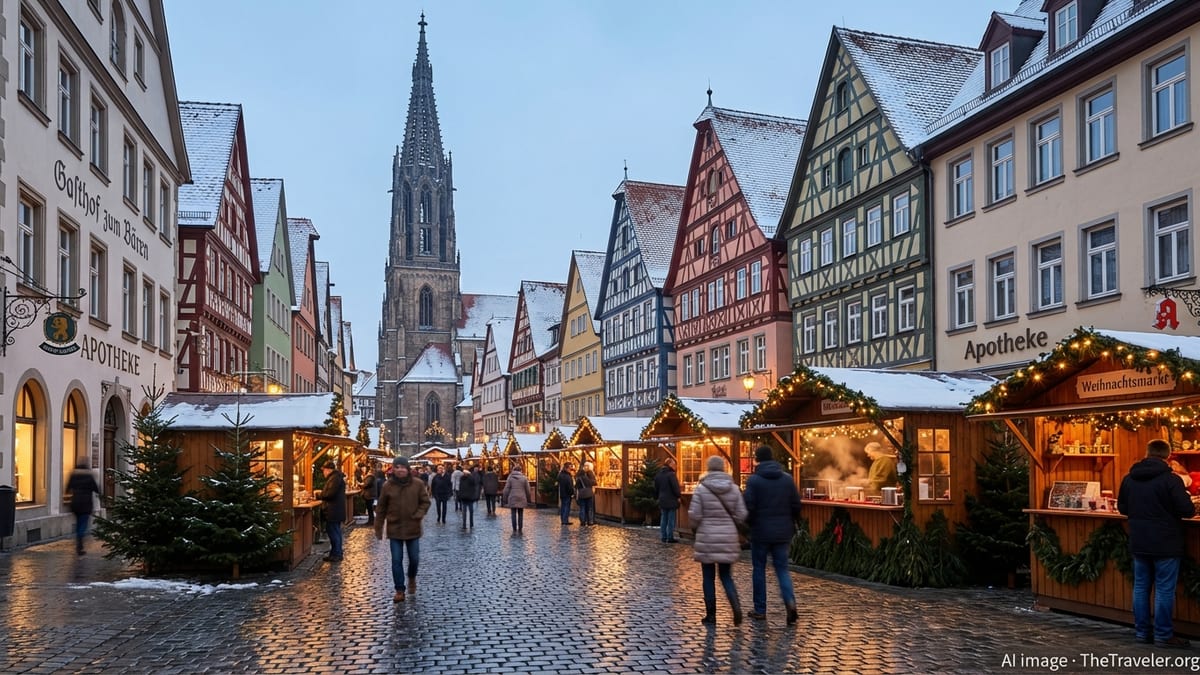
Germany is also known for its Christmas markets, where medieval streets are lined with wooden huts selling handicrafts, hot mulled wine and regional specialties. Cities such as Nuremberg, Dresden, Frankfurt and Cologne regularly rank among Europe’s most famous festive destinations, drawing millions of visitors to their historic squares. The combination of Gothic and baroque facades, tall Christmas trees and the smell of roasted nuts has become the blueprint many travelers now seek elsewhere.
Beyond winter, Germany’s appeal lies in the way it blends modern efficiency with heritage. High-speed trains connect business hubs, yet it is easy to reach vineyards along the Rhine, spa towns in the Alps or half-timbered villages in Franconia. Food and drink traditions, from hearty regional dishes to beer brewed under purity laws, anchor the experience. The following countries echo many of these traits, so you can recreate that familiar feeling while discovering a new place.
Austria: Alpine Charm And Coffeehouse Culture
Austria is the closest match to Germany in both language and atmosphere, particularly if you are drawn to the southern German regions of Bavaria or Baden Württemberg. Historic centers in Vienna, Salzburg, Innsbruck and Graz mix baroque churches, grand townhouses and narrow medieval lanes in a way that feels instantly familiar to anyone who has strolled through Munich or Nuremberg. Street-level life revolves around bakeries, cafés and family-run inns serving generous plates of schnitzel, sausages and dumplings.
In winter, Austria’s cities and towns embrace Advent with markets that mirror Germany’s most famous examples. Vienna typically hosts several large markets across the city, from the light-filled square in front of the town hall to more intimate courtyards. Salzburg’s historic core, framed by a hilltop fortress and baroque domes, becomes a storybook backdrop for stalls selling spiced biscuits, wooden toys and hot punch. The overall rhythm feels very close to a German Christmas market circuit, but with Alpine peaks never far from view.
Out in the countryside, Austria offers the same blend of forests, lakes and mountains that you find in Bavaria, paired with well-marked hiking trails and mountain huts. The Salzkammergut lake district and the Tyrolean valleys are particularly good for travelers who love Germany’s combination of outdoor adventure and comfortable village bases. Trains and regional buses are generally punctual and easy to navigate, so you can replicate Germany’s car-free style of travel with little effort.
Czech Republic: Storybook Squares On A Smaller Budget
The Czech Republic delivers much of what visitors love about eastern and southern Germany, especially if your mental image of Germany is half-timbered houses, cobbled alleys and church spires. Prague’s Old Town, with its Gothic towers and baroque facades around the central square, has become one of Europe’s classic winter cityscapes. During Advent, markets spread across Old Town Square and Wenceslas Square, with wooden stalls, tall Christmas trees and glowing lights creating a scene that strongly recalls major German cities while adding distinctive Czech touches.
What sets the Czech Republic apart is the value for money. Hotels, restaurant meals and public transport often cost less than in Germany, especially outside Prague. Secondary cities such as Brno, České Budějovice and Plzeň offer handsome old towns, ornate churches and brewery culture at a pace that feels calmer and more local. Beer lovers in particular will find plenty that feels familiar, from cavernous beer halls to unfiltered brews poured in traditional glassware.
Architecturally, the overlap with southern Germany is striking. Bohemian and Moravian towns share a past within the same Central European empires, so you will see similar pastel-colored townhouses, arcaded main squares and hilltop castles. The countryside offers rolling hills, forest reserves and castle ruins reminiscent of Germany’s Franconian and Thuringian landscapes. Well-maintained rail lines and buses make it simple to copy a German-style itinerary of city breaks linked by efficient public transport.
Poland: Medieval Market Squares And Rising Christmas Scenes
For travelers who love Germany’s historic centers and winter markets but are open to a slightly different cultural flavor, Poland is an excellent option. Cities such as Kraków, Wrocław, Gdańsk and Poznań feature beautifully restored old towns centered on large market squares. In Kraków, timber huts fill the main square during Advent, surrounded by Gothic and baroque architecture that dates back to the Middle Ages. Visitors browse handmade glass, wooden toys and local textiles while sampling hearty dishes and hot drinks under twinkling lights.
Poland’s Christmas markets have grown rapidly in popularity, with destinations like Gdańsk gaining international attention for their atmospheric settings and extensive craft offerings. The hanseatic facades of Gdańsk’s old town, for instance, echo northern German port cities, so travelers who enjoy places like Lübeck or Hamburg will find a similar maritime charm. Seasonal specialties such as pierogi, smoked cheeses, mulled beer and fruit-based vodkas give a distinctly Polish twist to a familiar Central European winter ritual.
Outside the festive season, Poland offers a landscape mix that often feels like an eastward extension of Germany. There are forested national parks, lake districts and low mountain ranges suitable for hiking and cycling, as well as a Baltic coastline dotted with resort towns. Rail connections between major cities are improving, and intercity buses cover gaps where train lines are slower. Prices for accommodation and dining remain relatively moderate compared with many parts of western Europe, which makes it easier to linger in historic centers that deliver a lot of the atmosphere visitors associate with Germany.
Switzerland: Precision, Rail Journeys And Alpine Villages
Travelers who value Germany’s sense of order, punctual trains and clean streets often feel very at home in Switzerland. The two countries share a language across large regions, and many Swiss cities have a distinctly Germanic character. Zurich, Basel, Bern and Lucerne combine riverfront promenades, steep-roofed old towns and carefully preserved guild houses, echoing the look and feel of cities along the Rhine in southern Germany.
Switzerland adds a dramatic Alpine dimension to the familiar formula. While southern Germany has its share of mountains, Switzerland places you closer to jagged peaks, high meadows and glacier-fed lakes. Well-organized networks of scenic trains and mountain cable cars extend the German idea of rail-based travel into the high Alps, making it possible to spend a morning wandering a medieval old town and an afternoon hiking above the treeline without needing a car.
In winter, Swiss cities and resort towns host Christmas markets and seasonal events that closely resemble those across the border. Wooden stalls sell local crafts, gingerbread, sausages and hot wine, while choirs and brass bands perform near illuminated churches. Smaller lakeside towns along Lake Lucerne and Lake Geneva decorate waterfronts and town squares, creating cozy scenes that will feel immediately familiar to anyone who has visited German markets in places such as Lindau or Konstanz. Prices in Switzerland can be higher than in Germany, but the overall travel experience is similarly structured and predictable.
France’s Alsace: Half Timbered Houses And Cross Border Traditions
If your favorite part of Germany is the fairy tale architecture of regions like Bavaria or the Rhineland, the Alsace region in eastern France may be the closest match outside the country itself. Towns such as Strasbourg, Colmar and smaller wine villages line the Rhine corridor opposite southwestern Germany, sharing a long history within the same cultural sphere. Their old towns are packed with steep-roofed, half-timbered houses painted in pastels, flower-decked balconies and cobbled lanes that feel almost interchangeable with neighboring German towns across the river.
Strasbourg is famous for its long-running Christmas market, which has been held around its cathedral since the sixteenth century. During Advent, the historic center fills with stalls selling traditional ornaments, gingerbread and mulled wine. Strings of lights and festive displays in narrow lanes create an ambience that many visitors compare to German Christmas capitals, with just a slightly more French spin in the food and café culture. Colmar and the surrounding wine villages also host popular markets, where timbered facades, canals and intimate squares form a photogenic backdrop.
Apart from winter, Alsace offers vineyard walks, marked cycling paths and hilltop castles that echo Germany’s wine regions. Local trains and buses connect Strasbourg with smaller towns, allowing a style of car free travel that will feel familiar to anyone used to hopping between German cities. The blend of French cuisine and German influenced architecture gives the region a unique identity, but for the traveler, day to day experiences in bakeries, markets and village squares often feel very similar to life just over the border.
Slovakia And Slovenia: Castles, Spas And Alpine Valleys
For travelers who enjoy Germany’s mix of medieval castles, spa culture and mountain scenery, two smaller Central European countries, Slovakia and Slovenia, offer a surprisingly similar atmosphere. They are less visited than some of their neighbors, which can make historic sites and hiking areas feel pleasantly uncrowded while still being easy to navigate.
Slovakia is dotted with castles and castle ruins, from hilltop fortresses such as Spiš Castle and Orava Castle to more polished residences like Bojnice Castle. Many towns grew up beneath these strongholds, resulting in market squares, baroque churches and pastel townhouses that echo provincial Germany. Spa resorts are another point of overlap: destinations such as Piešťany and Trenčianske Teplice have long histories of thermal bathing, not unlike German spa towns that combine promenades, grand hotels and parkland.
Slovenia offers a compact blend of Alpine valleys, karst landscapes and a short Adriatic coastline. Ljubljana’s old town, clustered below a castle and threaded by a river, has café lined embankments and bridges that feel reminiscent of smaller German and Austrian cities. Lakeside resorts like Bled and Bohinj, backed by the Julian Alps, appeal to travelers who enjoy Germany’s lake districts and mountain walks. Both countries have invested in trails, national parks and outdoor infrastructure, making it straightforward to move between cultural stops and nature in the same way many visitors do in Germany.
Scandinavia: Orderly Cities And Cozy Winter Traditions
While the languages and some cultural markers are different, parts of Scandinavia can feel surprisingly close to Germany in mood, especially if you value efficient public services, walkable cities and a strong café and beer culture. Cities such as Copenhagen, Stockholm, Gothenburg and Oslo emphasize bike lanes, clean harbors and compact historic centers where daily life plays out in squares and along waterfronts much like in Hamburg, Bremen or Lübeck.
In the colder months, Scandinavian capitals lean into winter rituals that parallel Germany’s cozy seasonal traditions. Christmas markets, often known locally by different names, fill central squares with wooden stalls selling handicrafts, woolen goods and hot drinks. Amusement parks and open air museums in cities like Copenhagen and Stockholm host special winter openings with lights, carousels and food stalls, creating a familiar atmosphere of outdoor celebration despite the chill. Warm interiors, candlelight and a focus on simple pleasures echo the sense of comfort many associate with German gemütlichkeit.
Scandinavia also appeals to travelers who appreciate Germany’s balance between city visits and access to nature. Forests and lakes sit within easy reach of the capitals, and overnight trains and ferries link major centers. Prices can be higher than in Germany, particularly for dining and accommodation, but the underlying travel experience, with clear information, punctual transport and well-kept public spaces, will feel reassuringly similar to many visitors.
The Takeaway
Germany’s mix of medieval charm, modern efficiency, seasonal festivals and outdoor opportunities is distinctive, yet it is not unique. Austria echoes Bavaria’s Alpine towns and coffeehouse culture, the Czech Republic and Poland replicate the feel of historic squares and Christmas markets at often lower prices, and Switzerland provides a familiar sense of order elevated by dramatic mountain scenery. The Alsace region of France blurs the cultural border entirely, while Slovakia, Slovenia and parts of Scandinavia offer quieter, less crowded versions of many experiences travelers associate with Germany.
Choosing a place like Germany is ultimately about deciding which aspects of the German experience matter most to you. If festive markets and storybook streets are key, Central Europe’s capitals and regional cities provide rich options. If you are drawn to rail journeys, meticulously signposted hiking routes and well preserved old towns, several neighboring countries deliver that same reassuring structure. Exploring these destinations broadens your sense of Europe without abandoning the elements that first made you fall in love with Germany.
FAQ
Q1. Which country feels most similar to Germany overall?
Austria usually feels the closest, especially if you spend time in Vienna, Salzburg or Innsbruck. The language, architecture, transport systems and everyday café and beer culture mirror southern Germany in many ways, while the Alps add extra scenic drama.
Q2. Where outside Germany can I find the best Christmas market atmosphere?
Prague and Kraków are excellent choices for grand, historic market squares filled with wooden stalls and festive lights. Strasbourg and Colmar in France’s Alsace region also offer Christmas markets that strongly resemble those across the border, often with half timbered houses as a backdrop.
Q3. Which destinations offer Germany like experiences but at lower prices?
The Czech Republic, Poland, Slovakia and parts of Slovenia typically offer better value on hotels, meals and local transport compared with many German cities. Smaller regional centers in these countries often have charming old towns and seasonal markets without premium pricing.
Q4. Are there places with German style villages and vineyards outside Germany?
Yes. France’s Alsace region, especially around Strasbourg and Colmar, combines half timbered houses, vineyard covered hills and wine villages in a way that closely resembles German wine regions along the Rhine. Parts of northern Switzerland also echo this look.
Q5. Which country is best if I love Germany’s castles and spa towns?
Slovakia is particularly strong on castles, with many hilltop fortresses and romantic ruins, while both Slovakia and Slovenia have long established spa resorts built around thermal springs. These destinations feel similar to visiting German castle regions and historic spa towns.
Q6. Can I rely on public transport in these Germany like destinations?
In Austria, Switzerland, the Czech Republic and most of Poland, intercity trains and buses are generally reliable and easy to use. Smaller countries like Slovenia and Slovakia also maintain useful networks, though rural areas may require more planning or occasional transfers.
Q7. Which alternatives are best for combining cities with mountain scenery?
Austria and Switzerland are the obvious choices, with cities like Salzburg, Innsbruck, Zurich and Lucerne sitting very close to Alpine valleys. Slovenia also works well, allowing you to pair Ljubljana with lakes and mountains in the Julian Alps on relatively short journeys.
Q8. Is language a barrier compared with traveling in Germany?
In Austria and much of Switzerland, German is widely spoken, so the experience is very similar. In the Czech Republic, Poland, Slovakia, Slovenia and Scandinavia, local languages differ, but English is commonly used in tourist facing settings, hotels and restaurants.
Q9. Where can I find a similar beer and café culture to Germany?
Austria, the Czech Republic and Poland all have strong beer traditions, with large halls, brewery pubs and local lagers served in generous glasses. Café culture is particularly pronounced in Vienna, Prague and many Central European cities, offering a familiar mix of coffee, cake and people watching.
Q10. How should I choose between these Germany like destinations?
Start by deciding which elements of Germany you value most: Christmas markets, castles, mountains, budget friendliness or language familiarity. Then match those priorities to destinations, for example Austria or Switzerland for mountains, Central Europe for value, and Alsace for German style ambiance with a French twist.