

Moose Jaw, Saskatchewan has earned a loyal following for its mix of historic streets, theatrical tunnel tours, mineral spa soaks, and friendly, small town energy. For many travelers, it strikes that perfect balance between low-key and lively: a place where you can stroll past murals and heritage facades by day, then soak in geothermal waters or join a ghost tour at night. If you have fallen for Moose Jaw’s particular brand of charm, you are far from alone. The good news is that its spirit lives on in other small communities across Canada that blend history, culture, and character in similarly surprising ways.
What Makes Moose Jaw So Appealing?
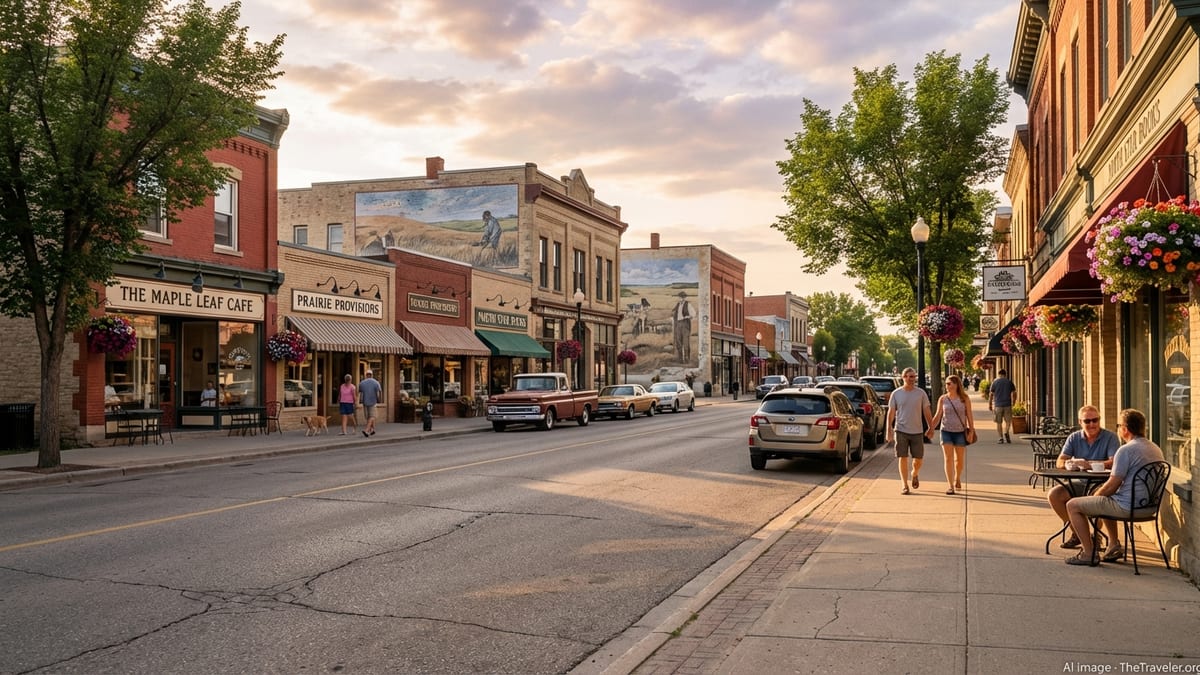
To understand which destinations feel most like Moose Jaw, it helps to unpack why this Saskatchewan city resonates with visitors. Moose Jaw has a compact, walkable downtown where early 20th century brick buildings now house independent shops, cafes, and galleries. Large outdoor murals splash color across walls and alleyways, turning the central streets into an open-air gallery that rewards slow wandering. The effect is intimate and human-scale, more about local life than big-ticket attractions.
Moose Jaw also leans into its stories. The Tunnels of Moose Jaw offer theatrical tours that bring to life tales of immigration, prohibition, and rumoured gangster connections beneath the city’s streets, while a heritage trolley tour wraps local legends and tall tales into a rolling history lesson. This storytelling culture creates the same sensation many visitors describe after a few days in town: a feeling that you have stepped inside a living, slightly eccentric museum of the Canadian Prairies.
Then there is the element of relaxation. Temple Gardens Mineral Spa taps into natural geothermal waters and lets guests soak year-round in rooftop pools that steam against prairie skies. Add in green space along the river in Wakamow Valley and you have a destination that combines light adventure and heritage with genuine downtime. These twin pillars of character and calm are what link Moose Jaw with other small towns across the country that might appeal to the same type of traveler.
With that lens in mind, here are Canadian destinations that echo Moose Jaw’s mix of walkability, history, and offbeat charm, from prairie outposts to coastal villages and northern frontier towns.
Dawson City, Yukon: Moose Jaw’s Wild Northern Cousin
If Moose Jaw feels like a prairie stage set for Prohibition-era stories, Dawson City is the northern equivalent built on Klondike Gold Rush lore. Perched at the confluence of the Yukon and Klondike rivers, this tiny town was once the booming heart of the 1890s gold rush and briefly the capital of Yukon. Today its dirt streets, wooden boardwalks, and carefully preserved false-fronted buildings make it look as though the stampeders have only just left town.
Like Moose Jaw, Dawson City is rooted in story. Museums, restored historic buildings, and guided experiences lean heavily into frontier narratives, from the lives of prospectors to the deep history and culture of the Tr’ondëk Hwëch’in people whose traditional territory surrounds the town. Visitors can tour goldfields, pan for flakes on Bonanza Creek at designated public claims, or step inside period saloons and theatres that still host vaudeville-style shows. The town’s small scale and walkability mean you can explore most attractions on foot, much as you would in Moose Jaw’s compact core.
There is a similarly playful streak at work here. Dawson is home to quirky experiences that have become modern legends, including a bar ritual involving a cocktail and a mummified human toe, and a casino styled after a Klondike dance hall. Summer brings long, lingering evenings of near daylight and frequent festivals, while winter rewards hardy travelers with high chances of northern lights. For Moose Jaw fans, Dawson City offers that same sense of stepping into an outsized story, only with auroras overhead and mountains on the horizon instead of prairie skies.
Despite its remote setting, Dawson City is surprisingly social. Travelers quickly find themselves swapping stories with locals and seasonal workers on boardwalks, at cafes, and in heritage pubs. That approachable, almost village-like atmosphere will feel familiar to anyone who has spent time chatting with business owners along Moose Jaw’s Main Street.
Niagara-on-the-Lake, Ontario: Heritage Streets and Easy Strolling
On the opposite side of the country from Moose Jaw, Niagara-on-the-Lake delivers a more polished, wine-country take on the same small town appeal. This Ontario community, set where the Niagara River meets Lake Ontario, is famed for its 19th century streetscapes, well-tended gardens, and carefully restored brick and clapboard buildings. The look is more Upper Canada than prairie, but the emphasis on walkable heritage and independent businesses creates a comparable mood.
Niagara-on-the-Lake’s historic core is compact and ideal for traveling on foot, with boutiques, bakeries, ice cream parlors, and antiques shops filling ground floors much like the businesses in Moose Jaw’s downtown. Instead of murals, the visual drama here often comes from stacked floral baskets, heritage trees, and period-style lampposts. Yet the underlying principle is the same: this is a place that invites you to slow down, browse, and people-watch from patios rather than race between large attractions.
Cultural life is another parallel. While Moose Jaw brings local history to life through interpretive attractions and trolley tours, Niagara-on-the-Lake is known for its strong theatre scene, particularly summer repertory plays that draw visitors from across North America. Coupled with nearby vineyards and farm stands, this gives the town a distinctive sense of occasion. Evenings can be spent strolling tree-lined streets back to a historic inn after a performance, echoing the way many Moose Jaw visitors wrap up their day after a soak at the spa or a tunnel tour.
For travelers who enjoyed Moose Jaw’s blend of comfort and culture, Niagara-on-the-Lake can feel like a lakeside cousin: more manicured in some ways, but equally devoted to creating a walkable, human-scaled environment where history is part of the everyday backdrop rather than cordoned off in a museum.
Nelson, British Columbia: Murals, Mountains, and Indie Spirit
Set on the shores of Kootenay Lake in southeastern British Columbia, Nelson is one of those small Canadian cities whose reputation has grown quietly over the years. It shares with Moose Jaw a lively downtown core full of independent shops and cafes, heritage brick buildings, and a thriving public art scene that includes murals and sculptures woven into the streetscape. The difference is geographic: where Moose Jaw trades in prairie horizons, Nelson is framed by steep hillsides and forested mountains.
Nelson’s Baker Street and surrounding blocks form the heart of this compact center. Many buildings date back to the late 19th and early 20th centuries, when mining wealth flowed through the region. Today that architectural inheritance houses bookstores, coffee roasters, bakeries, outdoor outfitters, and galleries. Like Moose Jaw’s mural-lined lanes, Nelson’s side streets and alleyways reward exploration, with colorful art pieces and unexpected viewpoints toward the lake.
Culturally, Nelson has a reputation for creativity and a strong independent streak. Small music venues, artisan studios, and community festivals keep the calendar busy, while the local food scene leans heavily on regional ingredients and small producers. Travelers who appreciated Moose Jaw’s sense of local pride and slightly offbeat character often find Nelson offers a similar feeling in a more outdoorsy, mountain-town package.
Access to nature is an easy part of daily life here. Within minutes of downtown, visitors can be hiking, paddling on the lake, or soaking in nearby hot springs in the broader Kootenay region. That ready blend of casual adventure and cafe culture mirrors the way Moose Jaw couples urban comforts with time in Wakamow Valley or nearby prairie landscapes. Both places are at their best when you give yourself a few days to sink into the rhythm of local life.
Lunenburg, Nova Scotia: Colorful Streets with a Working Waterfront
On the Atlantic coast, the UNESCO-listed town of Lunenburg offers another variation on Moose Jaw’s historic-small-town theme. Perched on a sheltered harbor in Nova Scotia, Lunenburg is known for its vividly painted wooden houses and grid of streets that climb gently up from the waterfront. Fishing boats, shipyards, and marine businesses still operate here, giving the town an active, lived-in feel rather than the aura of a preserved set.
What will feel familiar to Moose Jaw fans is the way heritage structures remain central to everyday life. Instead of being overshadowed by high-rise development, the town’s 18th and 19th century buildings house inns, pubs, galleries, and small shops that locals actually use. Travelers can wander from the harbor to hilltop viewpoints in minutes, taking in architectural details and harbor vistas in the same leisurely way that Moose Jaw visitors inspect brickwork, cornices, and murals downtown.
Lunenburg’s storytelling happens largely through its maritime museums, walking tours, and interpretive plaques, which unpack everything from shipbuilding techniques to the town’s complex role in Atlantic trade and fishing. As in Moose Jaw’s tunnels, some of these stories delve into difficult chapters of history, including war, resource exploitation, and displacement. Guides and local historians increasingly work to highlight a broader range of perspectives, including those of Indigenous communities and Black Loyalist descendants in the region.
What ties Lunenburg and Moose Jaw together is a shared willingness to invite visitors behind the postcard image. Both towns are photogenic, but both also encourage travelers to linger in cafes, talk with locals, and see how contemporary life and heritage intersect on ordinary weekdays, outside of peak season festivals.
Saint-Andrews-by-the-Sea, New Brunswick: Relaxed Resort-Town Heritage
On the Bay of Fundy, the small community widely known as Saint-Andrews-by-the-Sea combines historic architecture, ocean air, and a long-standing tradition as a summer escape. Like Moose Jaw, it grew up with a strong hospitality sector: elegant hotels and inns catered to visitors drawn by coastal scenery and cool breezes rather than mineral waters, but the overall effect is similar. This is a town where the streets feel designed for strolling rather than commuting.
Saint Andrews’ compact grid of streets is lined with wooden heritage houses, shops, and galleries, many dating back to the 18th and 19th centuries. Flowers spill from gardens and window boxes in warm months, and a seaside walking path links parks and small beaches with the central business district. The combination of walkability, historic character, and easy access to viewpoints echoes Moose Jaw’s inviting downtown and nearby river valley trails.
The local pace is unhurried even at the height of summer, which will appeal to travelers who liked Moose Jaw’s relaxed rhythm. Whale watching excursions, visits to nearby islands, and time in public gardens or along the waterfront can easily be broken up by coffee stops and leisurely lunches. Many businesses are owner-operated, and it is common to find yourself chatting about tides or winter storms with the same person who made your meal or poured your drink.
Though the scenery is very different from Saskatchewan’s plains, Saint Andrews shares Moose Jaw’s core promise: a small community where you can check into a character-rich inn, park the car, and spend most of your trip on foot, letting each day unfold at an easy pace.
Stratford, Ontario: Performance, Parks, and Riverfront Strolls
For travelers who were drawn to Moose Jaw’s mix of culture and gentle outdoor spaces rather than its spa scene, the riverside city of Stratford in southwestern Ontario is a compelling alternative. Though slightly larger than Moose Jaw, Stratford still feels small scale, with a downtown core of heritage buildings and tree-lined residential streets surrounding them. The Avon River loops through town, its banks landscaped with gardens, paths, and benches where people watch swans glide past.
Stratford is best known for its long-running theatre festival, which brings classic and contemporary plays to multiple stages each season. That focus on live performance gives the town a creative, outward-looking energy not unlike Moose Jaw’s emphasis on theatrical history tours and local storytelling. Visitors can easily spend their days browsing bookshops, bakeries, and boutiques before heading to an evening performance, much as Moose Jaw guests might split time between cafes, murals, and tunnel tours.
The sidewalks and river paths are a big draw. As in Moose Jaw, it is possible to structure days around walking rather than driving. Bridges, riverside lawns, and small parks create multiple sightseeing loops that do not require a set itinerary. Cafes and pubs occupy many of the old brick and stone buildings near the water, connecting heritage architecture with daily life in a way that will feel familiar to anyone who enjoyed Moose Jaw’s mix of old facades and new businesses.
Stratford’s culinary scene has grown steadily in recent years, with chefs focusing on ingredients from surrounding farmland. That farm-to-table thread mirrors Moose Jaw’s regional pride and gives travelers another way to connect with the broader landscape while staying rooted in a very walkable, human-centered town.
Planning Trips to Moose Jaw–Style Towns
Seeking out places that feel like Moose Jaw is less about finding identical attractions and more about recognizing certain shared qualities. These communities are usually large enough to support a cluster of independent businesses and cultural venues, but still small enough that local personalities shape the experience. They favor heritage conservation over extensive high-rise development, celebrate storytelling and local history, and often have a signature quirk or two that gives them a distinct identity.
When planning visits to these destinations, the same strategies that work well in Moose Jaw apply. Aim to stay right in or very near the historic core so you can walk to meals, attractions, and riverfronts or waterfronts. Give yourself at least two to three nights in each place so that busy periods and day-tripper crowds drop away, revealing the quieter rhythms of mornings and evenings. Off-peak seasons can be especially rewarding for travelers who value conversations with locals and unhurried time in museums or on scenic benches.
It is also wise to build in flexibility. Weather can shape experiences in any small town, from coastal fog to prairie wind or northern rain. Keeping a loose schedule allows you to pivot between outdoor plans, like harbor walks or valley hikes, and indoor ones, such as historic house tours, theatre performances, or soaking in a mineral pool if you are back in Moose Jaw itself. Many of these communities offer seasonal events that add extra atmosphere, from arts festivals to local markets, so checking current calendars before you travel can help you time your visit.
Above all, remember that the heart of Moose Jaw-style travel is connection. Say yes to guided tours led by longtime residents, linger in cafes, and be open to the kind of conversations that begin with a casual question and end with a list of local tips scribbled on a napkin. In communities where heritage buildings still anchor daily life, people often take pride in acting as informal ambassadors, sharing the stories that do not always make it into brochures.
The Takeaway
Moose Jaw has become one of Canada’s most surprising small urban destinations, proof that big-city buzz is not required for memorable travel. Its walkable streets, layered history, theatrical tunnels, mural art, and geothermal spa experience come together in a way that feels both distinctive and deeply welcoming. For travelers planning future trips, the towns and small cities that feel most like Moose Jaw share that same commitment to character: they let their history show, but they are not trapped by it.
From the frontier romance of Dawson City to the gardens and theatres of Niagara-on-the-Lake and Stratford, the mountain-meets-mural vibe of Nelson, and the working waterfront charm of Lunenburg and Saint Andrews, each place adds its own twist to the formula. None are carbon copies of Moose Jaw, yet all offer that rewarding mix of human-scale streets, local storytelling, and plenty of room to simply slow down.
Whether you first discovered Moose Jaw on a cross-country road trip or through a deliberate search for spa towns and heritage main streets, using it as a benchmark can help you find kindred destinations across Canada. Choose a town where you can park the car, walk to dinner, and feel the texture of old brick or painted clapboard beneath your fingertips, and you are well on your way to capturing the same sense of discovery that makes Moose Jaw so enduringly appealing.
FAQ
Q1. What qualities should I look for in Canadian towns similar to Moose Jaw?
Look for small or mid-sized communities with preserved historic cores, walkable streets, independent shops and cafes, a strong sense of local history, and at least one distinctive attraction or quirk that gives the town its own identity.
Q2. Is Dawson City a good alternative to Moose Jaw for history lovers?
Yes. Dawson City offers an immersive Gold Rush setting with preserved buildings, museums, and guided experiences, along with a compact layout that makes it easy to explore on foot, much like Moose Jaw’s historic downtown.
Q3. How does Niagara-on-the-Lake compare with Moose Jaw for a relaxed getaway?
Niagara-on-the-Lake trades prairie views for vineyards and lakefront scenery, but it has a similarly walkable historic center, strong cultural offerings, and an emphasis on independent businesses and character-rich accommodations.
Q4. Are there towns with mural scenes similar to Moose Jaw’s?
Several Canadian communities have embraced public art, but Nelson in British Columbia is a particularly good match, with heritage buildings, murals, and a lively arts culture anchoring its compact downtown.
Q5. Can I find spa or hot spring experiences in other Moose Jaw–style towns?
While Temple Gardens Mineral Spa is specific to Moose Jaw, some comparable destinations, especially in British Columbia’s Kootenay region, have access to natural hot springs that pair well with small-town main streets and mountain scenery.
Q6. Which of these towns work best without a car once I arrive?
Destinations such as Moose Jaw, Dawson City, Niagara-on-the-Lake, Nelson, Lunenburg, Saint Andrews, and Stratford all have cores that are highly walkable, so if you stay centrally you can reach most attractions, restaurants, and riverfront or waterfront areas on foot.
Q7. When is the best time of year to visit Moose Jaw–style destinations?
Late spring through early fall generally offers the most comfortable weather and the widest range of tours, festivals, and open attractions, though some places, especially in the north, also have distinct winter appeal with snow-based activities and quieter streets.
Q8. Are these small towns suitable for families?
Yes. Many have kid-friendly museums, parks, gentle walking routes, and seasonal events. Families often appreciate the manageable size, slower pace, and opportunity for children to learn history in hands-on ways.
Q9. How can I support local communities when visiting?
Choosing locally owned accommodations, dining in independent restaurants, shopping at small retailers, joining guided tours, and visiting cultural centers or museums all help ensure that your spending directly benefits residents and preserves the character you came to experience.
Q10. Is it possible to combine several Moose Jaw–style towns in one itinerary?
With some planning, yes. For example, travelers might pair Moose Jaw with other prairie or mountain towns on a driving trip, or link several heritage communities in Ontario or Atlantic Canada, creating a route that strings together multiple walkable, character-rich stops.