

Travelers who fall in love with Wisconsin’s sparkling lakes, pine-fringed shores, and unpretentious cabin culture usually start looking for more places that feel the same. Fortunately, you do not have to stay within state lines to find glassy water at sunrise, loons calling at dusk, and trailheads that start right behind your cottage. Across the United States, there are regions that echo Wisconsin’s blend of easygoing lake life, four distinct seasons, and accessible outdoor adventure. Here are some destinations that deliver a similar mood, from the Northwoods of Minnesota to quiet corners of New England and the Pacific Northwest.
Minnesota’s Northwoods and Boundary Waters Country
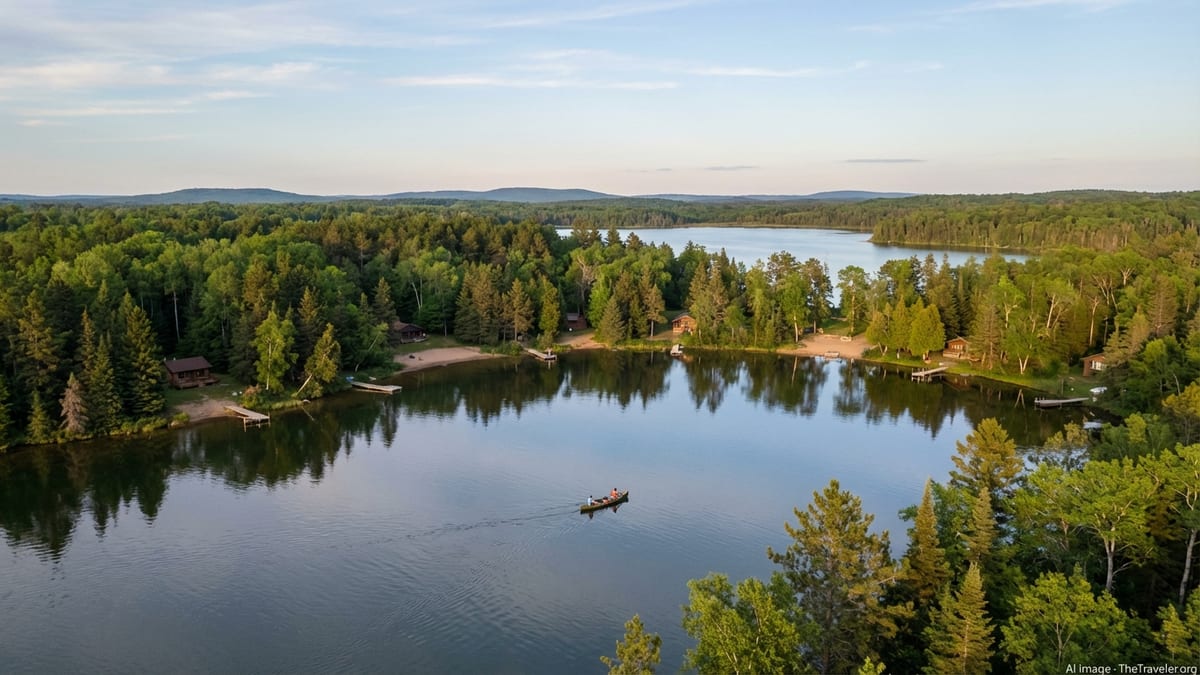
If you are drawn to Wisconsin’s Northwoods, with its web of lakes and classic log cabins, northern Minnesota is the closest match in both geography and spirit. Around towns like Ely and Grand Marais, thousands of lakes are stitched together by forest roads and portage trails, creating a vast playground for paddlers, anglers, and hikers. Bear Head Lake State Park, outside Ely, feels especially familiar to Wisconsin travelers, with thick conifer forest, rocky shorelines, and a sandy swimming beach wrapped around a clear northern lake. The park’s mix of quiet backcountry sites and drive-in campgrounds gives visitors the same choose-your-own-adventure flexibility that makes Wisconsin’s state parks so popular.
Just beyond Bear Head Lake, the Boundary Waters Canoe Area Wilderness offers a wilder counterpart to Wisconsin’s tranquil lake chains. Here, motorboats fade away and canoes glide through interconnected lakes where loons, moose, and bald eagles are common sightings. For visitors who enjoy paddling between simple lakeside campsites in places like the Northern Highland region of Wisconsin, planning a guided Boundary Waters trip can feel like the next natural step. Outfitters in Ely and along the North Shore simplify the logistics with route planning, permits, and gear, allowing first-timers to focus on learning the rhythm of wilderness travel.
In winter, Minnesota’s Northwoods deliver the same snow-focused energy that keeps Wisconsin cabins full well after summer ends. Cross-country ski trails wind through the forest, snowshoe routes follow frozen shorelines, and lake ice becomes a temporary highway for anglers heading to their favorite walleye or perch spot. Small towns host winter festivals and gear swaps, mirroring the community-driven feel of Wisconsin’s cold-weather events. Visitors who appreciate how Wisconsin turns deep winter into a season to celebrate will find themselves right at home here.
Michigan’s Upper Peninsula and Great Lakes Shores
For travelers who love Wisconsin’s Lake Superior coast and the Apostle Islands, Michigan’s Upper Peninsula offers a longer, wilder stretch of the same inland sea. The south shore of Lake Superior in Wisconsin is known for sandstone caves, lighthouses, and long, windswept beaches. Cross the state line and you encounter more rugged headlands, secluded coves, and parks such as Pictured Rocks National Lakeshore, where multicolored cliffs rise dramatically from clear water. While the scale is grander, the mood is recognizable: small harbor towns, simple motels and cabins, and an outdoor culture that orients itself toward the next good day on the water.
Inland, the Upper Peninsula is peppered with kettle lakes, quiet rivers, and mixed hardwood forests that would not feel out of place in central or northern Wisconsin. Campgrounds ring small lakes where families return to the same site year after year, and old-school resorts with knotty-pine paneling and fish fry dinners echo the traditions you find around the Minocqua or Eagle River chains. Anglers target walleye, northern pike, and panfish in both states, and hiking trails deliver similar scenes of maple, birch, and hemlock, especially in early autumn when fall color is at its peak.
Winter in the Upper Peninsula amplifies the hardy, snow-centric side of life that Wisconsin celebrates. Lake-effect snow regularly buries the region in deep powder, turning forest roads and rail trails into snowmobile corridors that are just as busy as any summer highway. Nordic skiers and snowshoers trace quiet paths through silent woods, and small ski hills light up at night for local families. If you enjoy the way Wisconsin’s lake country stays in motion when lakes freeze and temperatures drop, the Upper Peninsula delivers that same energy, often with even deeper snowbanks.
Michigan’s Inland Lakes and Cottage Country
Beyond its wild northern shores, Michigan has a softer side that parallels Wisconsin’s classic family lake getaway. Regions such as the Traverse City area, the Chain of Lakes near Elk Rapids, and the inland lakes of southwest Michigan are dotted with cottages, small resorts, and campgrounds that feel very similar to Wisconsin’s more developed vacation corridors. Here, days revolve around simple pleasures: swimming off a dock, paddling a quiet bay in the evening, and gathering around a campfire that smells of pine and lake air.
The water in many Michigan inland lakes is startlingly clear, with sandy bottoms and gradual drop-offs that are ideal for families. The atmosphere is relaxed, with casual waterfront restaurants, old-fashioned ice cream stands, and small-town main streets that come alive on summer evenings. If your favorite Wisconsin memories include strolls through resort towns on lakes like Geneva, Delavan, or the Minocqua area, you will find the same blend of easygoing charm and accessible comforts in these Michigan communities.
Outdoor recreation follows familiar patterns as well. Boaters explore chains of lakes connected by short channels, anglers cast for bass and panfish at sunrise, and cyclists roll past orchards and farm fields. In autumn, roadside stands sell apples, cider, and pumpkins, giving the season an agricultural flavor that echoes Wisconsin’s strong farm heritage. It is a natural choice for travelers who love Wisconsin’s mix of water, woods, and working countryside but want to explore a fresh shoreline.
The Adirondack Park and Lake Country of Upstate New York
Travelers willing to head farther east will discover that upstate New York’s Adirondack Park feels surprisingly close to northern Wisconsin in spirit, even if the mountains rise higher and the road trips run longer. The Adirondacks form a patchwork of public and private land centered on hundreds of lakes and ponds, many ringed by rustic lodges and simple campgrounds. Instead of a single focal lake, visitors find entire clusters of waterside towns, much like the way Wisconsin’s Vilas and Oneida counties are laced with interconnected lakes and small communities.
Day-to-day experiences echo classic Wisconsin trips. Paddlers slip kayaks into foggy coves at first light, anglers work rocky shorelines for smallmouth bass or trout, and hiking trails wind through mixed hardwood and evergreen forest that feels familiar to anyone who has walked in central or northern Wisconsin. Because the Adirondack Park is so large, it is easy to find both quiet, low-key lakes and more social hubs where marinas, small beaches, and lakeside restaurants cluster together.
Cabin culture is strong here too. Many lodgings lean into hand-hewn beams, stone fireplaces, and vintage sporting prints, similar to the Northwoods aesthetic around places like Minocqua or Hayward. In autumn, the region lights up with fall color comparable to Wisconsin’s best displays, and roadside farm stands, craft fairs, and harvest festivals supply that same sense of seasonal celebration. For travelers who love the simplicity of a Wisconsin cabin weekend but would like just a bit more mountain drama on the horizon, the Adirondacks strike a comfortable balance.
New England’s Lakes Region in New Hampshire and Vermont
Another northeastern match for Wisconsin’s lake and cabin culture lies in the Lakes Region of New Hampshire and the quieter corners of Vermont. Around lakes such as Winnipesaukee, Squam, and Newfound, visitors find an inviting blend of marinas, family resorts, and wooded campsites that mirror the atmosphere of Wisconsin’s more developed lake districts. Pontoon boats cruise at sunset, kids jump from floating rafts, and small towns fill with vacationers browsing bookstores, ice cream shops, and general stores.
Compared with Wisconsin, the Lakes Region adds low, blue mountains in the background, but the core experience remains the same. There are hiking and biking routes for a range of abilities, guided fishing trips for both beginners and seasoned anglers, and state parks where you can swim, picnic, and launch kayaks directly from the beach. If your idea of the perfect Wisconsin day involves a picnic table, a charcoal grill, and an old-growth shade tree near the water’s edge, you will recognize the vibe here immediately.
Across the Connecticut River in Vermont, smaller lakes and ponds tucked into forested hills provide a quieter counterpart to New Hampshire’s busier waters. Simple cottages, mom-and-pop inns, and low-key campgrounds hug shorelines where loons call at night and stars emerge clearly once the sun has set. Vermont’s strong local food culture adds another layer, with roadside farm stands, creameries, and craft breweries giving lake trips the same homegrown flavor that many travelers enjoy at Wisconsin supper clubs and farm markets.
Pacific Northwest Lakes and Forests in Washington and Oregon
On the opposite side of the country, the Pacific Northwest offers a very different backdrop that still captures key elements of Wisconsin’s appeal. Lakes in Washington and Oregon are often framed by evergreen forests and volcanic peaks instead of hardwood hills, yet the focus on accessible outdoor recreation feels familiar. Around central Washington’s lakes or Oregon’s Cascade foothills, you will find campgrounds, cabins, and small resorts clustered along the shoreline, along with boat launches and day-use areas that resemble those managed by state parks in Wisconsin.
Because mountain snowmelt feeds many of these lakes, water clarity is striking, and summer temperatures can be ideal for swimming, paddling, and sailing. Families who love long days on Wisconsin lakes will appreciate the Pacific Northwest’s extended twilight and cooler evenings, which stretch out campfire conversations and sunset paddles. Many waterfront parks include trail networks for short hikes, connecting shoreline beaches with forest overlooks and small waterfalls.
There is also a shared culture of year-round outdoor living. When autumn arrives, forest trails turn quieter but remain inviting for day hikes and mushroom foraging, and in winter, many Pacific Northwest lakes serve as gateways to nearby cross-country ski trails and snowshoe routes in the surrounding hills. The scenery may feel more dramatic than in Wisconsin, but the rhythms of the day are similar: a morning spent outside, an afternoon on the water or trail, and an evening gathered back at a cabin or campsite.
Rocky Mountain Reservoirs and High-Country Lakes in Colorado and Montana
For travelers who love Wisconsin’s lakes yet dream of something more dramatic, the high-country lakes and reservoirs of states like Colorado and Montana combine familiar activities with striking new scenery. Around communities such as Dillon and Frisco in Colorado, large reservoirs offer marinas, paddleboard rentals, and lakeside trails that feel very much like a supersized version of a Wisconsin recreation lake. Snowcapped peaks replace gentle forested hills, but families still spend their days boating, fishing, and picnicking along the shore.
Montana’s combination of large glacial lakes and smaller foothill reservoirs delivers another version of this experience. Clear water, long summer evenings, and abundant wildlife make time on the water feel special, while state parks and national forest campgrounds keep things grounded and approachable. Visitors who love paddling and swimming in Wisconsin will find the same sense of calm and connection here, though water temperatures are often cooler and conditions can change quickly in mountain weather.
These high-elevation destinations also echo Wisconsin’s four-season appeal. Once temperatures dip, lake communities pivot toward ski season, snowshoeing, and fat-tire biking, with winter festivals and holiday markets filling the calendar. While the logistics of driving mountain passes or dealing with higher elevation are different from crossing rural Wisconsin, the reward is a familiar style of lake-based vacation wrapped in alpine scenery.
The Takeaway
What makes Wisconsin such a beloved destination for lake and outdoor travel is not just numbers like record visitor counts or tourism revenue. It is the feel of the place: the way a misty morning paddle gives way to an afternoon cookout, how forests wrap around small towns, and how cabins and campgrounds form the backbone of family traditions. Luckily, those qualities are not unique to one state. From the Northwoods of Minnesota and Michigan’s Upper Peninsula to New England’s lake districts and the Pacific Northwest, travelers can find destinations that echo Wisconsin’s blend of water, woods, and relaxed, welcoming communities.
When you look for places like Wisconsin, focus on regions that combine accessible lakes, strong state or national park systems, and an everyday outdoor culture where paddling, fishing, hiking, and snow sports are simply part of local life. Whether you are seeking a familiar-feeling escape within a day’s drive or planning a cross-country journey, these destinations can deliver the same slow mornings, golden-hour shorelines, and campfire nights that keep travelers coming back to Wisconsin year after year.
FAQ
Q1. What makes a destination feel similar to Wisconsin for lake travel?
Destinations that resemble Wisconsin usually offer a dense concentration of freshwater lakes, public shoreline access, state or national parks, and a strong culture of cabins, campgrounds, and low-key resorts centered on outdoor recreation rather than big-city attractions.
Q2. Where is the closest place outside Wisconsin that offers a similar Northwoods vibe?
Northern Minnesota, especially around Ely and the broader Northwoods region, is the closest match, with thick forests, interconnected lakes, and a deep canoeing and fishing culture that parallels northern Wisconsin’s feel.
Q3. Are Michigan’s lake regions really comparable to Wisconsin’s?
Yes. Michigan’s Upper Peninsula and inland lake areas share many traits with Wisconsin, including family-oriented lake resorts, classic cottage rentals, small-town main streets, and easy access to boating, fishing, and swimming.
Q4. Do any East Coast destinations feel like Wisconsin’s lake country?
Upstate New York’s Adirondack Park and New Hampshire’s Lakes Region offer similar experiences, with wooded shorelines, rustic cabins, state parks, and towns that revolve around summer visitors and four-season outdoor activities.
Q5. How do Pacific Northwest lakes compare with those in Wisconsin?
While the Pacific Northwest adds mountains and evergreen forests, many lakes there provide the same mix of campgrounds, public beaches, boat launches, and low-key cabins that define Wisconsin’s approach to lake life.
Q6. Are these “Wisconsin-like” destinations family friendly?
Most of the regions highlighted are well suited to families, with shallow swimming areas, beginner-friendly hiking trails, paddling routes, and a range of lodging, from simple campgrounds to comfortable lakeside rentals.
Q7. Can I find four-season outdoor recreation similar to Wisconsin in other states?
Yes. Northern Minnesota, Michigan’s Upper Peninsula, the Adirondacks, and parts of the Rocky Mountains all offer year-round recreation, including paddling and hiking in summer and skiing, snowshoeing, or snowmobiling in winter.
Q8. Are these destinations as affordable as a Wisconsin lake vacation?
Costs vary by region and season, but many cabin and campground-based areas in Minnesota, Michigan, and upstate New York can be comparable to Wisconsin, especially outside peak holiday weekends or major events.
Q9. How far in advance should I book cabins or campsites in these similar destinations?
Popular lake regions often fill months ahead for midsummer and fall-color weekends. Booking several months in advance is wise, and planning even earlier for holiday periods or well-known parks can help secure the best spots.
Q10. What should I look for when choosing a Wisconsin-like destination for my first trip?
Focus on regions with multiple nearby lakes, a mix of public parks and private lodging, and clear information about trails, boat access, and seasonal activities. This combination usually signals a place where outdoor recreation is part of daily life, just as it is in Wisconsin.