

Nanaimo on central Vancouver Island is often treated as a ferry gateway, but give it two full days and the harbour city reveals a relaxed waterfront, rich Coast Salish history, island day trips and easy outdoor escapes.
This itinerary is designed for first time visitors who want to make the most of a short stay by focusing on Nanaimo’s walkable harbourfront and nearby islands, with practical tips for ferries, timing and seasonal conditions.
How to Arrive and Get Oriented in Nanaimo
Nanaimo is one of the easiest places to reach on Vancouver Island, with two major BC Ferries terminals linking it to the Vancouver area and frequent sailings most days of the year. The Departure Bay terminal connects to Horseshoe Bay in West Vancouver in about one hour and 40 minutes of sailing time, while Duke Point connects to Tsawwassen in roughly two hours. Vehicle travelers in particular should plan ahead. BC Ferries now requires advance booking and payment for all vehicles traveling from Horseshoe Bay to Nanaimo’s Departure Bay, reflecting long term construction and reduced staging space at the terminal. Foot passengers generally still have more flexibility, but reservations remain advisable during peak holiday periods.
Once you arrive, Nanaimo is compact enough that many visitors base themselves near the downtown waterfront and explore on foot. The core stretches between Maffeo Sutton Park and the historic Bastion, with the harbourfront walkway connecting green space, marinas and dining spots. If you are arriving by car, aim to park near your accommodation and leave the vehicle for most of your first day to avoid downtown congestion in summer. Taxis and local buses cover the rest of the city, and short passenger ferries link you with nearby islands.
Nanaimo’s climate is milder and drier than much of coastal British Columbia, but it still has a distinctly Pacific Northwest character. Expect cool, damp winters, shoulder seasons with changeable conditions and warm, generally dry summers. Even in July and August, mornings on the water can feel cool in the breeze, so a light layer and comfortable walking shoes are essential. From October through April, plan for rain showers, pack a waterproof jacket and consider flexible timing for outdoor walks.
Before you set out on the itinerary, take a moment to learn a little about the region’s Indigenous heritage. Nanaimo is within the traditional territory of the Snuneymuxw First Nation, whose history is interwoven with the harbour, islands and coastal resources that visitors now enjoy. Interpretive signs along the waterfront and local museum exhibits provide context and help frame the city as more than simply a transport hub.
Day 1 Morning: Stroll the Waterfront and Discover Harbour History
Start your first morning at Maffeo Sutton Park, one of Nanaimo’s signature green spaces right on the harbour. The park anchors the popular seawall and waterfront walkway, with lawns, playgrounds and picnic spots overlooking the water. The Sway’ A’ Lana Lagoon, a man made tidal lagoon connected to the ocean at high tide, gives the area a sheltered, family friendly feel, and there are benches everywhere to sit and watch floatplanes rise and land against a backdrop of islands and coastal mountains.
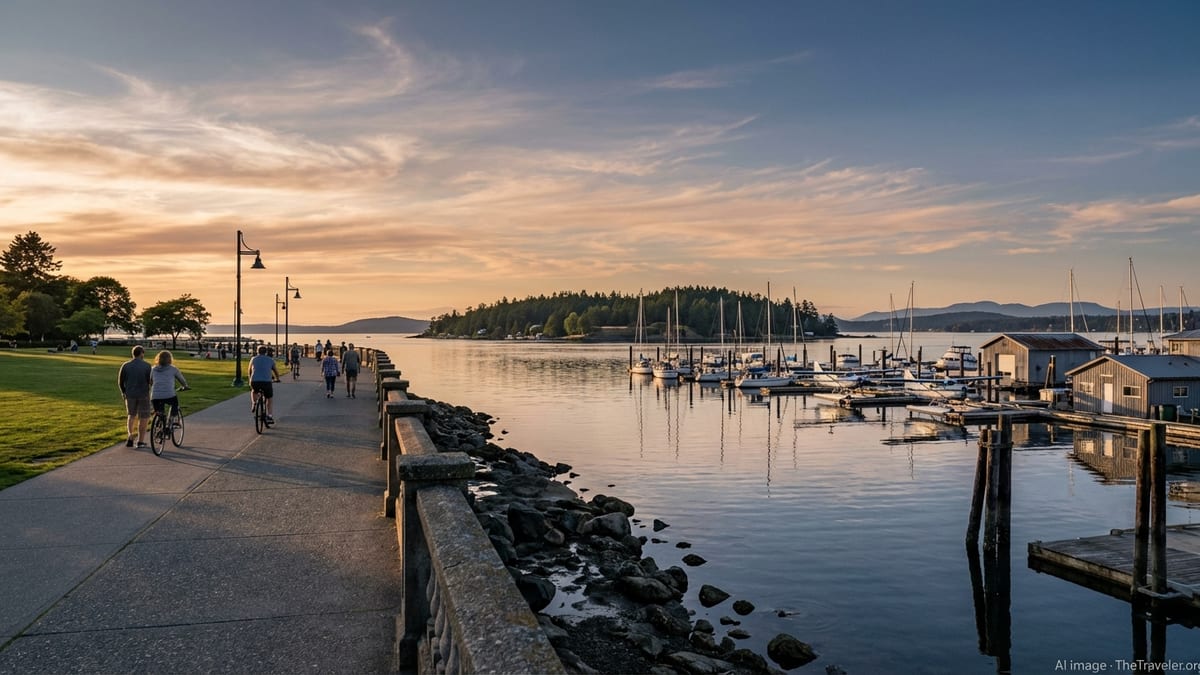
From the park, follow the harbourfront walkway south toward downtown. This paved path skirts the shoreline, passing a public crab dock where locals lower traps and cast fishing lines, and offering regular viewpoints across to Newcastle and Protection Islands. As you walk, keep an eye out for interpretive panels about marine life and harbour history, and listen for the calls of gulls and cormorants that nest on nearby islets. On a clear morning, the soft light and reflections on the water make this one of the most photogenic parts of the city.
Continuing along the Queen Elizabeth Promenade, you will come to marinas, seaplane docks and a small cluster of cafes and restaurants that serve breakfast and coffee with a view. This is a good place to pause for a late morning break and to watch the constant movement of boats, ferries and planes in and out of the harbour. From here it is an easy detour up to Commercial Street and the surrounding downtown blocks if you want to browse local shops or pick up snacks for the afternoon.
Late in the morning, make your way toward the Nanaimo Bastion, the white octagonal wooden blockhouse that dates back to the 1850s. Built by the Hudson’s Bay Company to protect its coal mining interests, the Bastion has become one of the city’s most recognizable landmarks and is visible both from land and sea. In summer, the structure usually opens as a small interpretive site managed by the Nanaimo Museum, and there is often a daily cannon firing at noon. Hours and programming can vary by season, so treat opening times as approximate and check locally once you arrive.
Day 1 Afternoon: Museums, Treats and Scenic Harbour Walks
After exploring the Bastion area, walk a few minutes inland to the Nanaimo Museum, now housed in a modern facility within the Vancouver Island Conference Centre. The museum traces the city’s evolution from coal town to contemporary regional centre, with exhibits on Snuneymuxw history, early industry and changing waterfront life. It is an engaging stop for families and a welcome indoor option if rain moves in. Allow roughly an hour to 90 minutes to browse without feeling rushed, more if you enjoy reading in depth panels.
Once you are ready for a break, head back toward the waterfront and try Nanaimo’s most famous culinary export: the Nanaimo bar. This classic no bake bar, with its crumbly chocolate coconut base, custard flavoured middle and chocolate topping, appears in cafes and bakeries throughout downtown. Many shops now add their own twist with flavours such as mocha, peanut butter or seasonal variations. Sampling a bar where it originated is part of the fun of visiting, but remember that recipes and branding can vary, so treat any “original” claims as part of local lore rather than strict historical record.
With a late afternoon ahead of you, you can either continue exploring the harbourfront on foot or venture a little further afield. The Nanaimo Harbour Walk, which loosely follows the shoreline around marinas, floatplane docks and small pocket parks, is an appealing choice in good weather. Gentle grades and paved surfaces make it accessible for most visitors, and the changing viewpoints capture both the working character of the harbour and its natural setting. Take your time, stopping whenever a bench or viewpoint invites you to linger.
If you prefer a quieter natural setting, consider a short drive or taxi ride to Buttertubs Marsh, a man made wetland and bird sanctuary set within the city. A loop trail circles the marsh, passing viewing platforms that overlook open water and reed beds. Birdlife can be rich here, with species such as great blue herons, ducks and songbirds common, particularly in spring and fall migration periods. Trails are generally flat, but may be muddy after heavy rain; footwear with some grip is recommended outside the driest months.
Day 1 Evening: Dine by the Water and Enjoy a Relaxed Harbour Night
As evening approaches, return to the harbourfront to see how the character of Nanaimo changes with the light. The marinas glow with reflected colours, and the outline of Newcastle Island across the water becomes more prominent as cabin lights appear through the trees. Many of the city’s most atmospheric restaurants and pubs cluster near the waterfront, some on stilts directly over the water. You will find a mix of casual seaside fare, local seafood and more contemporary menus, often with large windows that frame the views you have been walking through all day.
Plan dinner around sunset if possible, particularly in summer when the long twilight softens the hills and islands beyond the harbour. Even in winter, an early dinner with harbour views can feel cozy and distinctly coastal, with rain streaking the windows and ferries appearing and disappearing in the mist. Reservations can be worthwhile during peak months and on weekends, especially at high demand waterfront spots.
After dinner, take one last stroll along the seawall. At night, the harbourfront feels safe and relaxed, with families and couples out walking and a gentle buzz from patios and cafes. The reflections of dock lights in the water and the occasional floatplane or boat returning late create a different mood than the busy daytime scene. If you enjoy live performance, check listings at the Port Theatre, the community performing arts venue near the waterfront that regularly hosts music, dance and theatre presentations. Programming shifts with the season, so treat it as a possibility rather than a fixed element of your schedule.
End the evening with a quiet drink or dessert, or simply return to your accommodation to rest for a full day of island hopping ahead. Try to keep the next morning’s departure flexible in case you decide to adjust your chosen day trip based on weather, ferry schedules or energy levels.
Day 2: Island Day Trip from Nanaimo
Nanaimo’s sheltered harbour is dotted with islands easily reached by small ferries, making it an ideal base for a low key day trip. With only one full day, it is usually best to choose a single island and explore it properly rather than trying to hop between several. The two most popular choices for relaxed outings are Newcastle Island, known by its Hul’q’umi’num name Saysutshun, and Gabriola Island, which requires a slightly longer ferry ride and is better suited to visitors with a vehicle or a clear plan for local transport.
Newcastle Island lies directly across from downtown Nanaimo and is protected as a provincial marine park. Passenger ferries typically run from the harbourfront in the warmer months, with schedules that can change slightly from year to year. The crossing is short, usually around ten minutes, and once you arrive you will find a network of walking trails, beaches, picnic areas and modest elevation changes that suit most fitness levels. The island has a layered history as a gathering place for the Snuneymuxw people, a site of sandstone quarrying and a 20th century resort; interpretive signs highlight these stories as you walk.
If you prefer a destination with a mix of coves, art studios and small rural roads, consider Gabriola Island instead. The ferry to Gabriola departs from downtown Nanaimo and takes roughly 20 to 25 minutes, with multiple sailings throughout the day for vehicles and foot passengers. On arrival, drivers can easily reach sandy beaches such as those at Gabriola Sands Provincial Park, while pedestrians can connect with the local community bus, which typically operates most days and links the ferry terminal with various points on the island. Services and frequency may vary by season, so it is wise to confirm the current schedule and carry a paper or digital copy with you.
Whichever island you choose, pack snacks or a picnic, carry water and be prepared for limited services once you leave Nanaimo. Some islands have seasonal cafes or small stores, but hours can be abbreviated outside peak summer. Pay attention to wildlife, too. It is common to see seals lounging on rocks, eagles overhead and intertidal life in rocky pools. Give all animals plenty of space and follow any posted guidance on sensitive nesting or feeding areas. The pace on these islands is deliberately slow and simple, and the reward is a day spent close to the water with minimal travel time.
Alternative Day Trips: Coastal Views and Short Hikes
If island hopping does not appeal, or if ferry schedules are disrupted by weather or operational issues, there are several mainland alternatives suitable for a second day in Nanaimo. Many visitors enjoy driving or taking a local bus to Departure Bay Beach, which sits near the main ferry terminal and offers a broad stretch of sand and gravel backed by shaded parkland. From the bay you can watch large ferries arrive and depart and look across at the coastal mountains on clear days. A planned expansion of the city’s waterfront walkway aims to eventually link this area more seamlessly with the downtown harbourfront, though timelines and specific phases remain subject to council review and budget decisions.
Another option is to seek out one of the waterfalls or forested parks that sit within a short drive of the city centre. While full day hikes into remote backcountry areas require more planning, there are plenty of modest trails through second growth forest and along creeks and rivers that can comfortably fit into a half day. Park conditions can change with storms and seasonal maintenance, so you should always check for current advisories and carry basic essentials such as water, a light layer and footwear with grip.
Wildlife watching is also possible directly from Nanaimo’s harbour. Local operators sometimes run boat tours to areas such as Snake Island, a small rocky islet northeast of the city known as a bird sanctuary with nesting gulls and cormorants. The waters around the island are popular with divers and often host harbour seals that have become accustomed to people in the water. If you choose to book any wildlife focused tour, confirm that the company follows responsible viewing guidelines and avoids disturbing haul out sites, nesting areas and other sensitive habitats.
For a more cultural second day, you can build a loop that combines independent gallery visits and small studios scattered on the city’s outskirts with more time downtown. Nanaimo’s arts community continues to grow, and you may find seasonal exhibits at venues such as the Port Theatre’s lobby, community galleries or pop up spaces. Approach gallery hours and availability flexibly, as smaller operations may keep irregular opening times, particularly outside summer.
Planning Tips, Ferry Logistics and Best Times to Visit
Timing your visit to Nanaimo depends largely on your priorities. For the most reliable weather and warmest water temperatures, July and August are the prime months, with long daylight hours and frequent opportunities to swim at local beaches and lagoons. These months also tend to be the busiest for ferries, island parks and downtown restaurants, so booking accommodation and key ferry crossings well in advance is prudent. Shoulder seasons in late spring and early fall offer a good compromise: fewer crowds, cooler but pleasant temperatures and colourful foliage, especially in October.
Ferry logistics deserve particular attention if you are traveling with a vehicle. For the key Horseshoe Bay to Departure Bay route, BC Ferries has shifted to a system where all vehicle travelers must pre book and prepay for sailings rather than relying on drive up spots. This change is linked to long term construction work that reduces available space at the terminal and is expected to continue for several years. On the return journey from Nanaimo back to Horseshoe Bay, reservations remain strongly recommended, though at the time of writing advance booking is not absolutely required in the same way. Policies can change, so always verify current requirements and arrive early for popular sailings.
Passenger ferries to nearby islands such as Newcastle and Protection, along with the vehicle and passenger ferry to Gabriola, generally offer multiple daily departures, but their schedules may shift between off season and summer. Sailing times are short, so even modest delays rarely derail an entire day, but you should still build in buffer time around the last ferry of the day to avoid unplanned overnight stays. Wind, fog and mechanical issues can occasionally affect sailings on all routes, especially in winter, so roll with changes and keep a flexible backup plan on hand.
In terms of packing, think in layers and plan for variable coastal conditions. A lightweight waterproof shell, a warm mid layer and comfortable walking shoes are useful year round. In summer, add sun protection, a hat and a refillable water bottle, as exposed stretches of waterfront and island trails can feel hot by afternoon even if the air temperature is moderate. In cooler months, gloves and a hat make harbourfront walks more comfortable, particularly if a breeze picks up. For island day trips, bring everything you would want for several hours outdoors without guaranteed access to shops.
The Takeaway
Two days in Nanaimo are enough to transform the city from a ferry stop into a relaxed, harbour focused getaway. By centring your first day on the waterfront, local history and easy urban nature, you get a feel for the daily rhythms of a coastal community that looks outward to sheltered bays and island silhouettes. Strolling the seawall, standing beneath the historic Bastion and learning about the Snuneymuxw territory beneath your feet give the city a sense of depth that many travelers overlook.
Your second day, whether spent on an island like Newcastle or Gabriola or exploring nearby beaches and short hikes, reveals how quickly Nanaimo connects you with slower paced landscapes. The city lends itself to unhurried mornings, scenic ferry crossings and afternoons of walking and watching tides, seals and ferries shift with the light. Careful attention to ferry logistics and weather forecasts helps keep those days smooth, but part of Nanaimo’s charm lies in its willingness to let time stretch a little.
For visitors who enjoy waterfront walks more than long drives, quiet natural settings more than crowded attractions and local food and culture served without fuss, Nanaimo is a rewarding short stay destination. With this two day itinerary as a framework and room for your own discoveries between scheduled elements, you can experience a harbour city that is as much a place to linger as it is a gateway to the rest of Vancouver Island.
FAQ
Q1. How many days do I need in Nanaimo for a first visit?
Most first time visitors find that two full days are enough to explore the waterfront, take a nearby island day trip and sample local food without feeling rushed. With more time, you can add additional hikes and explore further up or down the Island.
Q2. Do I need a car for this 2 day Nanaimo itinerary?
A car is helpful but not essential. The downtown waterfront and Bastion area are walkable, small ferries connect to nearby islands, and local buses and taxis fill in gaps. A vehicle becomes more useful if you want to reach outlying parks, waterfalls or rural studios.
Q3. What is the best season to follow this itinerary?
Late spring through early fall generally offers the best combination of comfortable temperatures, longer daylight and more frequent island ferry service. July and August are warmest but also busiest, while May, June, September and early October feel quieter yet still pleasant.
Q4. How early should I book BC Ferries to Nanaimo?
For vehicles on the Horseshoe Bay to Departure Bay route, booking as soon as you know your dates is wise, particularly for weekend and holiday sailings. Foot passengers can often be more flexible but should still consider reservations at peak times or when traveling with a group.
Q5. Which island is better for a day trip: Newcastle or Gabriola?
Newcastle (Saysutshun) is ideal if you want an easy passenger ferry, walking trails and beaches without driving. Gabriola works well if you have a car or plan to use the local bus and prefer a mix of sandy coves, viewpoints and small community stops.
Q6. Is the Nanaimo waterfront walkway suitable for strollers and wheelchairs?
Much of the main harbourfront path between Maffeo Sutton Park and the downtown marinas is paved and relatively flat, making it practical for strollers and many wheelchairs. Some side paths, docks and older sections may have steeper grades or uneven surfaces, so assess conditions as you go.
Q7. Can I swim on this itinerary, and where?
In summer, locals often swim at Departure Bay Beach, at sheltered coves on nearby islands and occasionally in the warmer waters of the Sway’ A’ Lana Lagoon. Conditions vary with tides, weather and personal comfort, so always check for posted advisories and use caution in cold or moving water.
Q8. What should I pack for two days in Nanaimo?
Pack comfortable walking shoes, layered clothing, a light waterproof jacket, sun protection, a refillable water bottle and a small daypack. For island trips, add snacks, a hat, and any personal medications or items you may not easily find once you leave the city centre.
Q9. Are there options for bad weather on this itinerary?
Yes. If rain or wind makes outdoor walks less appealing, you can spend more time at the Nanaimo Museum, explore downtown shops and cafes, or look for performances or events at venues like the Port Theatre. Many waterfront restaurants remain atmospheric in stormy weather.
Q10. Is Nanaimo a good base for exploring the rest of Vancouver Island?
Nanaimo works well as a central base thanks to its ferry connections, highway links and range of accommodations. In two days you will focus on local highlights, but with a longer stay you can easily branch out to places such as Parksville, Qualicum Beach or south toward Victoria.