

Victoria, the compact and walkable capital of British Columbia, is one of Canada’s most inviting city breaks.
Ringed by ocean and mountains, it combines a historic harbour, world class gardens, heritage architecture and easy access to wild Pacific coastline.
With three carefully planned days you can see the headline landmarks, explore quieter neighbourhoods and still have time to slow down over oceanfront sunsets and local seafood.
How to Get to Victoria and Make the Most of Three Days
Most visitors from the mainland reach Victoria via BC Ferries between Tsawwassen, south of Vancouver, and Swartz Bay on the Saanich Peninsula. The crossing typically takes about 1 hour 35 minutes, with frequent daily sailings and increased frequency in summer. It is worth treating the journey as part of your itinerary, with views over the Gulf Islands, occasional marine wildlife and shifting coastal light that sets the tone for the days ahead.
If you arrive without a car, BC Transit buses connect Swartz Bay to downtown Victoria, with routes such as the 70, 70X and 72 running roughly every 20 to 30 minutes at busy times. Travel time into the city centre is usually 45 to 60 minutes, depending on traffic and the specific service. Taxis and shuttle buses are also available, but public transit is generally the most economical way in. Once in Victoria, you can walk between most central sights or rely on short rideshares and local buses.
Three full days is enough time to cover the classic stops like the Inner Harbour, the Royal BC Museum and Butchart Gardens, while also adding neighbourhood wanders, a scenic coastal drive and, weather permitting, a marine wildlife excursion. To keep the pace relaxed, this itinerary concentrates your time geographically: a downtown focus on the first day, gardens and countryside on the second, and a coastline and viewpoints loop on the third.
Spring through early fall offers the best chances of dry weather and long daylight, particularly from May to September when ferries, tours and gardens run extended hours. Winter visits are quieter and can be atmospheric, with moody skies and fewer crowds; just pack waterproof layers and be prepared for shorter days. Whenever you visit, book popular activities such as whale watching and Butchart Gardens admission in advance, especially on summer weekends and holiday periods.
Day 1: Inner Harbour Icons, Museums and Old Town Streets
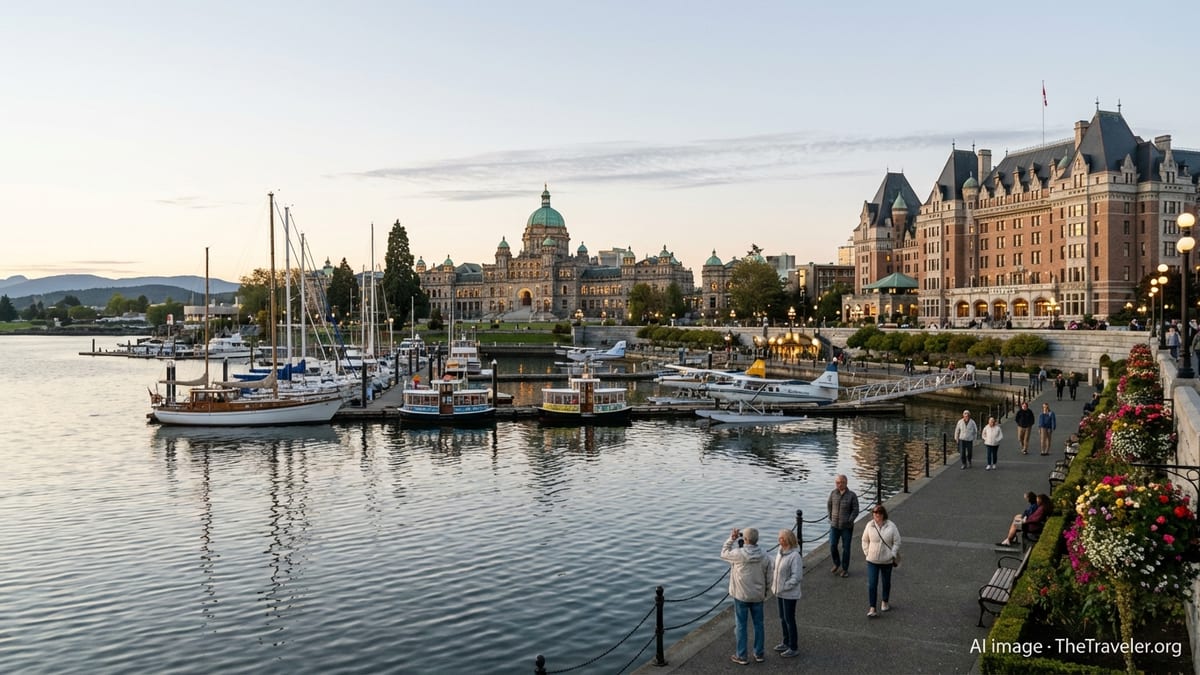
Start your first morning at the Inner Harbour, the compact, photogenic heart of Victoria. Here, floatplanes taxi in and out of the water alongside small harbour ferries, and street performers set up along the waterfront promenade in peak season. The domed BC Parliament Buildings and the ivy clad Fairmont Empress frame the scene, with wide walkways that make it easy to pause for photos from different angles. Grabbing a takeaway coffee from a nearby cafe and wandering the causeway is one of the simplest pleasures in the city.
From the harbour, it is a short walk to the Royal BC Museum, widely regarded as one of Canada’s leading provincial museums. Its permanent galleries explore the natural and human history of British Columbia, with immersive exhibits on coastal ecosystems and Indigenous cultures. Plan to spend at least two hours here, more if you like to read exhibit panels in depth. Check current exhibition schedules before you travel, as the museum regularly hosts visiting shows that can appeal to art, science or history enthusiasts.
After the museum, make time to stroll the grounds of the BC Parliament Buildings. Even without joining a tour, the exterior is worth a slow circuit to appreciate the statues, stonework and harbour views. During the summer season, free guided tours are commonly offered on select days, and in the evening the buildings are outlined with thousands of white lights that reflect on the water. If you prefer a quieter green space, the nearby grounds of Thunderbird Park and Beacon Hill Park provide shaded lawns and mature trees within walking distance.
Later in the afternoon, head north into Old Town and Chinatown. Victoria’s compact Old Town preserves late 19th century brick warehouses and shopfronts that now house independent boutiques, cafes and galleries. Continue a few blocks further to reach Canada’s oldest Chinatown, marked by its ornate Gate of Harmonious Interest. Slip through Fan Tan Alley, long known as one of the narrowest streets in the country, now lined with small studios and shops. This area is particularly atmospheric in the early evening, when lanterns glow and restaurants fill with both locals and visitors.
Day 2: Butchart Gardens and the Saanich Peninsula
Dedicate your second day to the Saanich Peninsula, home to Butchart Gardens and a softer, rural side of Greater Victoria. Located near Brentwood Bay, roughly 30 minutes by car from downtown Victoria and reachable by local transit or tour shuttle, Butchart Gardens is one of the region’s signature attractions. The historic former quarry site has been cultivated into a series of themed gardens featuring mature trees, seasonal flowers and carefully framed viewpoints. Visiting earlier in the morning or later in the afternoon can help you avoid the largest crowds in peak travel months.
Give yourself at least three hours to wander through the Sunken Garden, the Japanese Garden and the Rose Garden, with breaks at benches that overlook ponds and colourful borders. The gardens change character with the seasons: bulbs and blossoms in spring, roses and lush planting in summer, rich foliage and dahlias in autumn, and illuminated displays in the festive period. Comfortable walking shoes are essential, as paths can be slightly uneven in places, and a light jacket is wise since the coastal microclimate can feel cooler than central Victoria.
After Butchart Gardens, consider exploring nearby Brentwood Bay or the small coastal community of Sidney, close to Swartz Bay ferry terminal. Brentwood Bay offers calm waters and a backdrop of forested hills; on clear days you may spot kayakers and paddleboarders gliding across the inlet. Sidney, often called Sidney by the Sea, has a walkable waterfront, a modest marina and several bookshops and cafes. Either makes a peaceful contrast to downtown, and both provide opportunities for relaxed lunches featuring local seafood and produce.
If you prefer a more active afternoon, the Saanich Peninsula also offers gentle cycling routes, small wineries and farm stands selling seasonal fruits and vegetables. Some visitors choose to combine Butchart Gardens with marine activities such as kayaking excursions or scenic boat tours that depart from Brentwood Bay or nearby marinas, especially in the warmer months. Whatever you choose, plan your return to Victoria before dark if you are driving unfamiliar rural roads, and check the latest bus schedules in advance if you are relying on transit.
Day 3: Coastline Views, Castle History and Evening Harbour Lights
On your third day, focus on Victoria’s coastline and hillside viewpoints. Begin with a walk or short drive to Beacon Hill Park, a large green space stretching from downtown toward the sea. Within the park you will find ponds, landscaped gardens, open lawns and woodland paths, along with occasional views toward the Olympic Mountains across the Juan de Fuca Strait. From the park’s southern edge you can walk out to a viewpoint near the tall flagpole and coastal bluffs, where the wind, waves and distant ship traffic give a strong sense of place.
From Beacon Hill, continue along Dallas Road, the main waterfront route on Victoria’s southern shore. This stretch offers a mixture of gravel paths, beaches dotted with driftwood and wide open views across the water. Walkers and cyclists share the route, and on windy days you may see kite surfers just offshore. Popular stopping points include Clover Point and Ross Bay, where you can watch the waves roll in or simply sit with a coffee on a bench. The atmosphere is relaxed and local, even in peak season, and it is a fine contrast to the busier downtown promenade.
Late morning or early afternoon, make your way to Craigdarroch Castle, a Victorian era mansion set on a hill above the city. The stone exterior, stained glass, intricate woodwork and period furnishings provide a glimpse into the life of one of the province’s most prominent industrial families. Self guided visits typically take about an hour, more if you pause to absorb the details or climb to the higher floors for panoramic city views. Because the site sits in a residential neighbourhood, consider pairing your visit with a wander through the surrounding streets to see heritage homes and gardens.
Return to the Inner Harbour area for your final evening, ideally timing dinner so you can enjoy twilight over the water afterwards. As the light fades, harbour activity continues with the last floatplanes of the day, small ferries linking different points on the waterfront and visitors lingering along the causeway. The Parliament Buildings are lit at night, and the reflections from the surrounding hotels and boats lend a soft glow to the scene. It is an evocative way to close out three days of exploring, tying your experience back to the heart of the city where you began.
Where to Stay and How to Get Around Victoria
Choosing the right base will shape how convenient your three day itinerary feels. For most first time visitors, staying within or close to the Inner Harbour and downtown core makes the most sense. From here you can walk to the museum, Parliament Buildings, Old Town, Chinatown and many restaurants within 10 to 15 minutes, and you will be well placed for early morning tours or evening strolls without needing a car. Accommodation ranges from historic grande dame hotels to modern boutiques and practical mid range options.
Neighbourhoods slightly beyond the core, such as James Bay, Fairfield and North Park, can offer a quieter atmosphere while remaining walkable or a short bus ride from the main sights. James Bay, in particular, feels residential and calm while sitting directly behind the Parliament Buildings and close to both Fisherman’s Wharf and Beacon Hill Park. If you prefer more independent living, there are also short term rentals scattered through these areas, though regulations and availability can change so it is wise to confirm current rules before booking.
For getting around without a car, combine walking with BC Transit buses and occasional rideshares or taxis. The bus network covers key points like the university district, Saanich Peninsula and residential neighbourhoods, and contactless payment options continue to expand. Bike share and scooter rentals are periodically available as well, although availability can vary seasonally and by year. If you arrive by car on the ferry, factor in daily parking fees at your accommodation and in downtown lots, particularly in high season.
Visitors with mobility considerations will find that many central sidewalks are relatively level and crossings are frequent, though some older buildings may have steps and narrower doors. The Inner Harbour causeway and major attractions like the Royal BC Museum and Butchart Gardens typically provide accessible routes and facilities. When planning, allow extra time for travel between sights, especially if you are relying on buses that may run less frequently in the evenings or on weekends outside peak months.
Weather, Seasons and Practical Planning Tips
Victoria enjoys one of the mildest climates in Canada, with relatively dry summers and cool, damp winters. In summer, daytime highs often sit in the low to mid twenties Celsius, and evening temperatures can feel cool near the water, especially when breezes pick up. Spring brings blossoming trees and emerging flowers across the city, particularly from March through May, while autumn offers colourful foliage in parks and gardens from roughly late September into October. Winter months are typically cloudy with showers, but snow at sea level is infrequent.
Because weather can shift quickly along the coast, especially near the strait, packing layers is essential. A light, packable waterproof jacket, a warm sweater or fleece and comfortable walking shoes with some grip will serve you well in most seasons. Even on overcast days, UV can be stronger than expected when it reflects off water, so sunscreen and sunglasses are worthwhile additions. If you plan to spend extended time on boats or exposed viewpoints, a hat and gloves can make a big difference on windier days.
It is wise to book accommodation, ferries with vehicles and popular tours such as whale watching or guided food tours ahead of time, particularly for travel dates between late June and early September or over long weekends. Midweek visits in shoulder seasons often mean fewer crowds and more flexible reservations. While same day bookings are sometimes possible, availability can be tighter around festivals, cruise ship days and major events, so checking a local events calendar once your dates are set helps avoid surprises.
For currency, Canadian dollars are the standard, but many businesses accept major credit cards and contactless payments. Tipping practices generally follow broader North American norms, with restaurant tips often in the range of 15 to 20 percent for table service. Drinking water is safe from the tap, and refill stations are increasingly common around the city, which helps reduce plastic use as you explore. Finally, respect local wildlife by keeping your distance from marine animals, birds and intertidal life, whether you are on a formal tour or exploring tide pools along the shoreline.
The Takeaway
Three days in Victoria provides enough time to see why this small coastal capital leaves such a lasting impression. Between the Inner Harbour, landmark museums and Parliament Buildings, you gain a sense of British Columbia’s history and identity. In Butchart Gardens and the Saanich Peninsula you discover carefully tended landscapes and gentle countryside, while along Dallas Road and Beacon Hill Park you encounter the rawer edges of the Pacific coast, complete with wind, waves and wide open skies.
Thoughtful planning lets you experience all of this at a human pace, without the rush that often accompanies city breaks. By concentrating each day around a different facet of Victoria, you balance architecture and nature, structured attractions and spontaneous wanders. The city’s compact size, walkability and mild climate work in your favour, turning simple activities like harbour strolls and park picnics into trip highlights.
Whether this three day itinerary becomes a standalone getaway or the starting point for a longer Vancouver Island journey, it offers a strong framework that you can adapt to your interests. Add a whale watching tour, linger longer in galleries and cafes, or extend your coastal drives westward toward more rugged shores. However you customise it, Victoria’s blend of maritime scenery, cultural depth and understated West Coast charm makes it a destination worth savouring.
FAQ
Q1. Do I need a car for this three day Victoria itinerary?
You can comfortably follow most of this itinerary without a car by combining walking, BC Transit buses, local tours and occasional taxis or rideshares. A car is most useful for added flexibility on the Saanich Peninsula and coastal drives, but it is not essential for seeing the core landmarks and main scenic areas.
Q2. How far is Victoria from Vancouver and how long does the ferry take?
The main route between the Vancouver area and Victoria uses the ferry from Tsawwassen to Swartz Bay on Vancouver Island. The ferry crossing itself is typically about 1 hour 35 minutes, with driving or transit time of roughly 40 to 60 minutes on each side between the terminals and the city centres.
Q3. When is the best time of year to follow this Victoria itinerary?
Late spring through early autumn, roughly May to September, offers the most reliable weather, long daylight hours and full access to gardens, tours and seasonal events. Shoulder seasons in April and October can be pleasant and less crowded, while winter trips are quieter and cooler but still workable with good rain gear and flexible plans.
Q4. How many days do I really need in Victoria?
Three full days provide a good balance, allowing you to experience downtown landmarks, Butchart Gardens, the Saanich Peninsula and coastal walks without feeling rushed. With only one or two days, you will need to prioritise key sights, while four or more days give extra room for day trips to nearby communities and more relaxed pacing.
Q5. Is Butchart Gardens worth visiting if I am not passionate about plants?
Butchart Gardens tends to appeal even to visitors who are not dedicated gardeners, because of its dramatic quarry setting, varied themed areas and carefully designed viewpoints. The paths, water features and seasonal displays create an overall atmosphere that many people enjoy as a tranquil outdoor experience rather than a strictly horticultural visit.
Q6. What should I pack for a three day trip to Victoria?
Pack comfortable walking shoes, a light waterproof jacket, layered clothing for changeable temperatures, and sun protection including sunscreen and sunglasses. A small daypack for ferry crossings and day trips, along with a reusable water bottle, will help keep you organised and reduce waste while you explore.
Q7. Can I see whales during a short stay in Victoria?
Victoria is a well known base for whale watching tours that often focus on orcas, humpback whales and other marine wildlife in season. If conditions and schedules line up, you can usually fit a half day tour into this three day itinerary, though it is sensible to book ahead and have a backup plan in case of poor weather or sea conditions.
Q8. Is Victoria a good destination for families with children?
Victoria suits families well thanks to its manageable size, parks, waterfront paths and attractions like the Royal BC Museum and Butchart Gardens. Many activities on this itinerary, such as coastal walks, harbour time and ferry travel, are naturally engaging for children, and the city’s overall pace is generally relaxed rather than overwhelming.
Q9. How expensive is Victoria compared with other Canadian cities?
Costs in Victoria are broadly comparable to other popular Canadian coastal destinations, with accommodation often the largest expense, especially in peak season. You can manage your budget by choosing mid range or smaller properties, using transit instead of taxis where practical, and mixing restaurant meals with casual cafes and picnics.
Q10. Is three days in Victoria enough if I also want to see more of Vancouver Island?
Three days is adequate for a focused introduction to Victoria and its immediate surroundings, but it only scratches the surface of Vancouver Island. If you hope to visit places such as Tofino, the Cowichan Valley or the north island region, consider adding several extra days and using this Victoria stay as the opening or closing chapter of a longer island itinerary.