

Kingston is often treated as a quick gateway rather than a destination in its own right, but Jamaica’s capital rewards anyone who lingers. From sound-system streets and iconic recording studios to leafy parks, galleries, and the cool air of the nearby Blue Mountains, Kingston offers a rich, lived-in Caribbean city experience that feels very different from the island’s resort towns.
With a bit of planning, it can be both approachable and unforgettable. Here is how to plan a Kingston getaway, what to see and do, and how to make the most of your time in and around the city.
Getting Oriented and Planning Your Stay
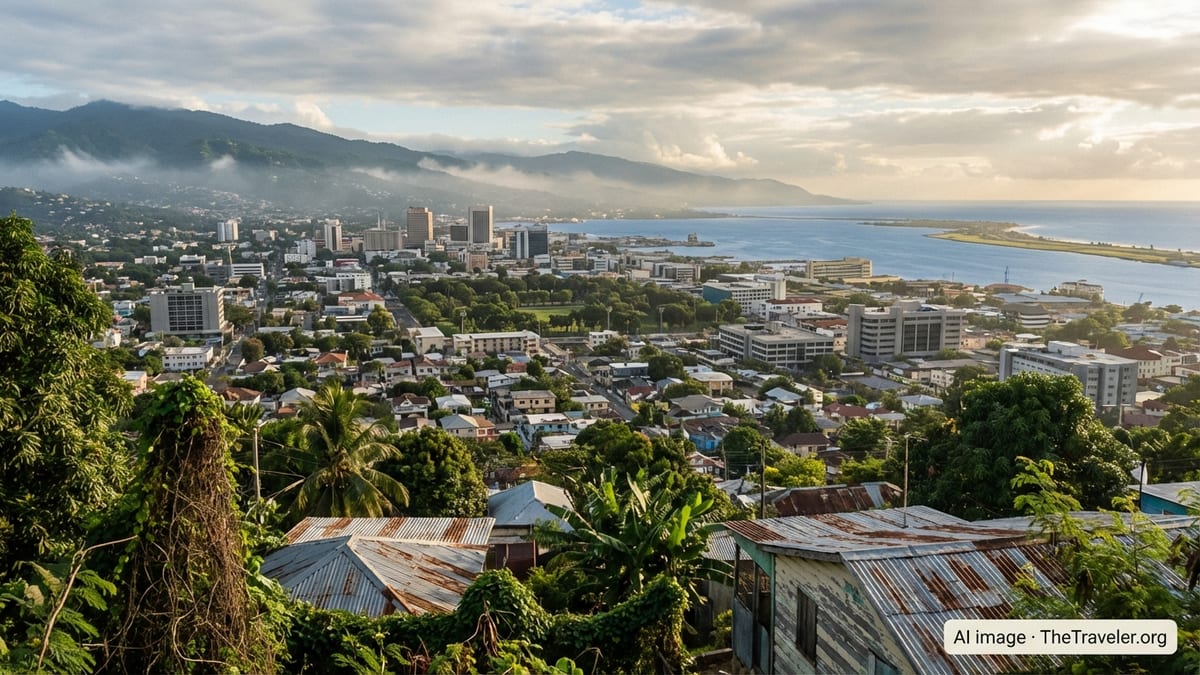
Kingston sits on Jamaica’s southeast coast, framed by the Blue Mountains to the north and one of the world’s largest natural harbours to the south. Visitors typically arrive at Norman Manley International Airport, located on the Palisadoes peninsula across the harbour from downtown. The city’s main visitor areas include New Kingston, with its business hotels and nightlife; the historic but busier downtown core; and the more residential foothills of St Andrew, where you start to climb toward the mountains. Understanding this basic layout will help you choose where to stay and how to move around.
New Kingston is usually the most convenient base for first-time visitors. It has a concentration of business-style hotels, guesthouses, and short-term rentals, plus easier access to restaurants, cafés, and Emancipation Park. Downtown Kingston offers more historic character and cultural institutions but can feel more intense and is generally quieter after business hours. For a quieter, greener setting, some travelers opt for accommodations in the hills of St Andrew, trading a longer commute for views and cooler air.
Kingston is a year-round destination, but timing matters. Carnival season in March or April fills the city with parades and fetes, while the weeks around Emancipation Day and Independence Day in late July and early August bring festivals, concerts, and cultural events. The Atlantic hurricane season runs from June through November, and recent storms have shown how disruptive severe weather can be, so flexible plans and travel insurance are prudent if you visit at that time of year.
On a short city break, two to three full days will let you sample Kingston’s key sights, while four to five days give you time to fit in a Blue Mountains excursion or a day trip to Port Royal or Lime Cay. If you are combining Kingston with a beach destination such as Port Antonio or the north coast, consider starting in the capital while your energy is high, then unwinding by the sea.
Arrival, Transport, and Safety on the Ground
On arrival at Norman Manley International Airport you will find a compact terminal with updated check-in and departure facilities, duty free, and basic services. Outside the arrivals hall, licensed airport taxis, prebooked private transfers, and rental car desks are easy to find. Ride-hailing apps are not as established here as in many cities, so most visitors rely on taxis or private drivers rather than app-based services.
For budget-conscious travelers, the Jamaica Urban Transit Company operates a public bus between the airport and downtown Kingston. The service is inexpensive and runs throughout the day, but it involves handling your own luggage and then connecting onward by taxi or on foot. Many visitors find that prearranging a reputable driver, either through their accommodation or a recommended transfer service, is the most straightforward way to start a trip, especially at night or after a long flight.
Once in town, taxis are the main way to get between neighborhoods. Only use licensed red-plate taxis or trusted drivers recommended by your hotel or host. You can also hire a car and driver by the day, which makes it easier to combine several sights such as the Bob Marley Museum, Devon House, and a Blue Mountains lookout without having to renegotiate fares. Self-driving is possible, but traffic can be hectic, parking is inconsistent, and local driving styles may feel stressful if you are not used to them.
Kingston has a reputation for crime, and like any big city it requires a measure of street sense. Most incidents do not involve tourists, but you should still stay aware of your surroundings, keep valuables out of sight, and avoid wandering unfamiliar areas after dark. Stick to well-used routes, ask locals which streets are best avoided, and rely on verified transport rather than hopping into unmarked cars. When in doubt, your hotel front desk or guesthouse host is usually the best source for current advice about which areas are lively and which are best enjoyed by day or with a guide.
Music, Museums, and Cultural Landmarks
Kingston is the nerve center of Jamaican music and culture, and exploring that legacy is a highlight of any visit. Many travelers begin at the Bob Marley Museum, located in the musician’s former home and Tuff Gong studio on Hope Road. A guided tour walks you through his life and work, with rooms preserved from the 1970s and stories about the songs that took reggae worldwide. Even for casual listeners, it gives a powerful sense of how closely Kingston’s streets and politics are woven into the music.
Downtown, the National Gallery of Jamaica showcases the island’s visual arts, from early colonial works to contemporary sculpture, painting, and photography. Exhibitions cycle through themes such as post-independence identity, Rastafarian iconography, and Caribbean modernism, often featuring artists you are unlikely to encounter in mainstream international museums. A visit here pairs well with a walk through downtown’s emerging creative districts, where colorful murals and studio spaces reflect the same artistic energy out on the street.
For a deeper dive into national history, head to institutions such as the Institute of Jamaica and the Liberty Hall museum, which trace Jamaica’s colonial era, the struggle for emancipation, and the country’s political evolution. National Heroes Park, the city’s largest open green space, adds another layer with its monuments and tombs honoring political leaders and cultural figures. An hourly changing of the guard ceremony lends a sense of ceremony, and the park’s wide lawns offer rare breathing space in the city.
Places of worship also tell Kingston’s story. Holy Trinity Cathedral, consecrated in the early 20th century, is an impressive example of Neo-Byzantine architecture in the Caribbean, with a vast dome, mosaics, and careful restoration work. Visiting during a quiet moment allows you to appreciate both its design and its role in state occasions such as major funerals and commemorations. Dress modestly and be respectful of services in progress.
Parks, Neighborhood Strolls, and Everyday Kingston Life
Beyond the big-ticket museums, much of Kingston’s appeal lies in experiencing everyday city life at a slower pace. Emancipation Park in New Kingston is a natural place to start. Opened in 2002, this landscaped green space was created to mark the end of slavery in the British Empire and now serves as a popular jogging track, gathering point, and venue for cultural events. At its entrance stands the bronze Redemption Song sculpture, depicting two figures looking skyward in a powerful visual meditation on freedom.
Early morning and late afternoon are the best times to walk or run the park’s circuit, when the sun is softer and locals are out exercising. Benches and shady spots offer quiet corners to people-watch, while periodic concerts, fitness classes, or community events bring extra energy. It is a reminder that Kingston is not just a capital of music and politics but a lived-in home for hundreds of thousands of people.
New Kingston itself is largely modern and commercial, with office towers, hotels, and a growing number of cafés and bars. Exploring by day reveals pocket parks, small galleries, and lunch spots catering to workers. Downtown Kingston, by contrast, retains more of its older architecture, with historic buildings, markets, and narrow streets that can feel chaotic but rewarding with local guidance. Guided walking tours are a good way to understand the area’s layered history while staying oriented and safe.
At night, pockets of the city come alive with live bands, sound systems, and street food vendors. Venues change regularly, and some events move between locations, so ask for up-to-date recommendations before you go out. Dress casually but neatly, keep valuables secure, and plan how you will get back to your accommodation ahead of time so you can relax and focus on the music.
Excursions to the Blue Mountains and Coastal Getaways
One of Kingston’s greatest assets is how easily you can escape its urban energy for cooler hills or a quick taste of the sea. The Blue Mountains rise directly behind the city, offering lush forests, small farming communities, and some of Jamaica’s most celebrated coffee estates. A typical day trip might combine a scenic drive up narrow mountain roads, a coffee farm tour, and a short hike to a viewpoint or waterfall.
Coffee tours vary, but many include a walk through terraced fields, a look at how beans are harvested and processed, and a guided tasting, often on a veranda overlooking misty valleys. The elevation means temperatures are noticeably cooler than in Kingston, so bring a light layer even if the city feels hot. Roads can be steep and winding, especially after rain, which is one reason many visitors opt for a dedicated driver or a small-group tour rather than self-driving.
If you are craving salt air, several coastal options sit within easy reach of Kingston. To the south, the old pirate hub of Port Royal still has fortifications and harbourside views, while small boats can ferry you to Lime Cay for a simple beach day. The cay is essentially a sandbar with limited facilities, so you will need to bring water, snacks, and sun protection, and be prepared to pack out all your trash. Weather and sea conditions determine whether boats run, so always check locally before setting out.
Further afield, some travelers pair Kingston with a stay in Port Antonio or the north coast, using private shuttles or scheduled coach services to cross the island. Travel times vary with traffic and road conditions, so it is wise to build in buffers if you need to catch a flight on your return. When planning your itinerary, consider whether you would rather unpack once in Kingston and do day trips, or split your stay between the capital and a quieter seaside town.
Festivals, Events, and Kingston’s Creative Calendar
Kingston’s cultural calendar is more diverse than many visitors realize. Carnival in Jamaica, centered largely on Kingston, takes over the city in the weeks after Easter with parties, band launches, and a climactic Road March that fills major streets with costumed revelers, trucks, and sound systems. Even if you do not join a band, simply being in the city at this time means encountering music and color almost everywhere, though you should plan for congestion and book accommodations well in advance.
Beyond carnival season, regular creative events spotlight the city’s artists and designers. The Kingston Creative Artwalk, a recurring festival in downtown Kingston, brings together mural walks, pop-up galleries, artisan vendors, and live performances on select Sundays. It is an accessible way to explore areas that used to be overlooked, with the benefit of organized programming and crowds. For fashion and design enthusiasts, watch for pop-up concepts and markets that showcase Jamaican and wider Caribbean labels, as the island’s creative sector continues to gain international attention.
Food is another focus for citywide celebrations. Kingston Restaurant Week, usually held toward the end of the year, sees a range of restaurants offer set menus at different price tiers, encouraging locals and visitors alike to try new places. While specific lineups change annually, the event tends to span everything from traditional Jamaican cooking to international fusion spots. Reservations are important during this period, as popular venues book up quickly.
Smaller festivals, book events, and concerts round out the year, often clustered around public holidays and long weekends. Schedules shift and new events appear regularly, so it is worth checking current listings or asking your accommodation for what is on during your stay. Even outside headline festivals, chances are good that you will stumble upon a live show, a street sound system, or a community event if you stay open to serendipity.
Food, Nightlife, and Where to Taste Kingston
Kingston’s food scene reflects both everyday Jamaican cooking and a growing wave of chefs who reinterpret local ingredients. No visit is complete without sampling jerk chicken or pork from a roadside stand or simple restaurant, accompanied by festival, bammy, or rice and peas. Pepper shrimp, curried goat, steamed fish, and patties from local bakeries round out the list of must-try staples. Street food is part of the city’s fabric, but choose busy stalls with a quick turnover and ask locals for their favorites.
Sit-down dining ranges from casual courtyard grills to sleek contemporary spaces that would feel at home in any major city. In New Kingston and the surrounding areas you will find plenty of options for seafood, Italian-inspired menus, Asian-Jamaican fusion, and more. Lunchtime is often the best moment to experience places that double as business hubs, while evenings lean toward a more relaxed, social atmosphere. During Kingston Restaurant Week some of these spots offer particularly good value, with multi-course menus at set prices.
Nightlife in Kingston is dynamic but can be fluid, with parties and live-music nights shifting venues or running on island time. Popular hotel bars and lounges are an easy introduction, often with live bands playing reggae, ska, or acoustic sets. For a deeper dive into the dancehall and sound-system world, seek out street sessions and open-air dance venues, ideally with local friends or a guide who knows the scene. Dress codes can range from casual to very stylish, but comfortable shoes are always wise if you plan to dance.
Wherever you go, pace yourself with the local heat and strong drinks. Hydration and a light snack before heading out can make a big difference, especially on nights that stretch into the early morning. Keep your belongings secure, choose licensed transport when moving between venues, and trust your instincts if a place does not feel right. Kingston nightlife can be exhilarating, and a little planning will help ensure that your memories are good ones.
Practical Tips for a Smooth Kingston Getaway
A bit of practical preparation will help your Kingston trip go smoothly. Check current entry requirements, including passport validity and any visa rules that apply to your nationality, well before you travel. Health guidance can change, so look for up-to-date information on recommended vaccinations and any alerts related to mosquito-borne illnesses or other issues. Comprehensive travel insurance that covers medical care, trip delays, and weather disruptions is strongly recommended, especially if you are visiting during the rainy or hurricane seasons.
Kingston’s tropical climate means warm temperatures year-round, with higher humidity in the wet season. Pack light, breathable clothing, sun protection, and a compact rain jacket or umbrella. Comfortable walking shoes are essential if you plan to explore on foot or take walking tours. In the Blue Mountains and other higher elevations, the air can be surprisingly cool in the evenings, so bring at least one long-sleeved layer even if the forecast for the city looks hot.
Cash and cards are both useful. Larger hotels, restaurants, and shops increasingly accept major credit cards, but smaller vendors and street food stalls often prefer cash in Jamaican dollars. ATMs are available in major neighborhoods and shopping centers, though it is wise not to carry large sums at once. As in many places, tipping is customary in restaurants and for drivers or guides, usually following a similar range to North American norms.
Finally, leave room in your schedule. Kingston rewards unhurried exploration, whether that means a longer conversation with a gallery owner, an impromptu stop at a street vendor whose cooking smells too good to ignore, or a detour into the hills for a last-minute viewpoint. Build a framework for your days with one or two key plans, but resist the temptation to script every hour. The most vivid memories often come from moments you did not plan at all.
The Takeaway
A Kingston getaway is not a conventional beach holiday, and that is precisely its appeal. The city offers a concentrated dose of Jamaican culture, from music studios and historic landmarks to parks, markets, and hillside communities. With thoughtful planning around where you stay, how you get around, and when you visit, Kingston can feel both manageable and richly rewarding.
Allow time to balance city energy with excursions to the Blue Mountains or nearby stretches of coast, and to experience the capital’s evolving creative and culinary scenes. Stay curious, stay aware, and stay open to conversations, and you will find that Kingston reveals itself in layers. For travelers willing to look beyond the resort brochure, Jamaica’s capital offers one of the Caribbean’s most memorable urban experiences.
FAQ
Q1. How many days should I spend in Kingston on a first visit?
Most first-time visitors find that two to three full days in Kingston is enough to see major highlights, while four to five days allows time for a Blue Mountains or coastal day trip.
Q2. Is Kingston safe for tourists?
Kingston has areas of concern, but most visitors who stay in well-known neighborhoods, use licensed transport, and follow local advice experience their trip without serious problems.
Q3. What is the best time of year to visit Kingston?
Kingston is a year-round destination, but the driest and most popular months are typically December through April, with carnival and other events adding extra energy in spring.
Q4. Do I need a car to get around Kingston?
You do not need a car. Many visitors rely on licensed taxis, private drivers, or organized tours, which simplify navigating traffic and parking while keeping you flexible.
Q5. Can I visit the Blue Mountains as a day trip from Kingston?
Yes, many travelers visit the Blue Mountains on a day trip from Kingston, combining coffee farm tours and short hikes, often using a local driver or guided tour.
Q6. Is Kingston a good destination for families?
Families who are comfortable in cities often enjoy Kingston’s parks, museums, and day trips, but it is important to plan transport carefully and choose family-friendly neighborhoods.
Q7. What should I wear when exploring Kingston?
Light, breathable clothing works best in the heat, paired with comfortable walking shoes; modest dress is appreciated in religious sites and some traditional spaces.
Q8. Do people in Kingston accept US dollars or should I carry Jamaican dollars?
US dollars are sometimes accepted in tourist-focused businesses, but Jamaican dollars are more widely useful, especially for smaller shops, markets, and street food vendors.
Q9. Is Kingston mainly a business city or does it have nightlife?
Kingston is both a business hub and a nightlife center, with live music, bars, street dances, and special events that draw locals and visitors, especially on weekends.
Q10. Can I combine Kingston with a beach stay elsewhere in Jamaica?
Many travelers pair Kingston with beach destinations such as Port Antonio or the north coast, using private shuttles or coaches to travel between the capital and resort areas.