

Muskoka Lakes has long been shorthand for the classic Canadian cottage escape: shimmering water, pine-clad shorelines, boathouses tucked into bays and a relaxed pace that makes weekends feel longer.
Whether you are planning your first visit or returning after many summers away, a bit of advance planning goes a long way toward making your Muskoka Lakes getaway feel effortless. From picking the right base and season to knowing where to boat, hike, eat and unwind, here is how to design a trip that matches your style, budget and appetite for adventure.
Getting Oriented: The Muskoka Lakes Region at a Glance
The Township of Muskoka Lakes is a collection of communities and more than a thousand lakes spread roughly two hours north of Toronto. Rather than revolving around a single town, the region is organized around its big three lakes: Muskoka, Rosseau and Joseph. Around them are small villages such as Port Carling, Bala and Windermere, each with its own personality, docks and local landmarks. Distances look short on a map but driving is slower on winding cottage roads, so it is worth choosing a base and planning most of your activities within a reasonable radius.
Lake Muskoka is often the first stop for new visitors. It stretches between the towns of Gravenhurst and Bala, with Port Carling near the western edge where Muskoka connects to Lake Rosseau. Lake Rosseau itself has a longstanding resort tradition, with historic properties overlooking wide-open water and rocky points. Lake Joseph, slightly quieter, is popular with boaters who like rugged shorelines and island-dotted vistas. Beyond these, smaller lakes like Skeleton Lake, Kahshe Lake and Go Home Lake offer a more secluded feel for visitors who prioritize quiet coves over restaurant access.
The region’s reputation is built on summer cottage season, yet Muskoka Lakes is not a single-season destination. Late spring brings quieter roads, cool evenings and fewer boats on the water. Autumn is short but dramatic, with hills of maple and birch blazing in reds and golds that reflect off the lakes. Winter has its own fan base for snowshoeing and frozen-lake views, although many summer businesses close in the off-season. When you plan your getaway, decide first what kind of atmosphere you want: energetic waterfront buzz or hushed, off-peak calm.
Because Muskoka Lakes is spread out, it is also useful to think in terms of travel time from home. Many visitors from southern Ontario treat it as a long-weekend destination and underestimate how much time they will spend in the car if they crisscross the district. Try to group lake outings, trail walks and evening events by area instead of hopping between distant corners every day. That small bit of planning can save you hours and give you more time on the dock or the water.
Choosing When to Go and Where to Stay
Seasonal rhythm shapes everything in Muskoka Lakes, from accommodation prices to how crowded boat launches and trails will feel. July and August are peak cottage months, with warm lake temperatures, family holidays and the most complete slate of events, markets and concerts. Expect higher rates, busy roadways on Friday evenings and Sunday afternoons, and more traffic on popular lakes. If you thrive on energy, fireworks and patio buzz, high summer delivers that quintessential Muskoka mood.
Shoulder seasons offer a different experience. Late May and June often bring long daylight, cool nights and lower accommodation rates, although water temperatures can still be brisk for swimming. September and early October are quieter again, ideal for couples or small groups who want to pair hiking and paddling with evenings by the fireplace. Some seasonal attractions wind down after Labour Day, but scenic drives, cycling loops and many restaurants remain open, especially in the larger communities.
The style of stay you choose will shape your getaway. Traditional cottage rentals on Lake Muskoka, Lake Rosseau and Lake Joseph offer private docks, firepits and space for families or groups. They are ideal if you plan to boat, swim and cook most meals at home. Lakeside resorts vary from historic lodges with meal plans and kids’ programs to boutique inns with spas and adult-focused amenities. In the villages, small inns, motels and bed-and-breakfasts can be a good fit for shorter stays or visitors who want to eat out and explore multiple lakes by day.
Location is as important as accommodation type. Staying near Port Carling puts you in the “Hub of the Lakes,” with access to all three major lakes and an easy jump-off point for cycling loops that circle Lake Muskoka and Lake Rosseau. Choosing Bala places you close to Bala Falls, summer concerts at the Kee to Bala and cranberry marshes that come alive in autumn. A base near Gravenhurst or the Muskoka Wharf works well if you want steamship cruises, a farmers’ market and a choice of restaurants within a compact waterfront area. For maximum tranquility, look to smaller lakes or road-access cottages down quieter side roads.
Life on the Water: Boating, Paddling and Cruises
The lakes are the heart of any Muskoka getaway, and time on the water is often the highlight of a trip. For many visitors, that means renting a motorboat for a day to explore the bays of Lake Muskoka or the wide, open reaches of Lakes Rosseau and Joseph. Marina staff can usually provide basic charts, safety gear and tips on local navigation, but the lake systems are complex enough that first-time boaters should take their time. Rock shoals, narrow channels and unmarked hazards are part of the landscape, especially on smaller lakes, so cautious speeds and a good lookout are essential.
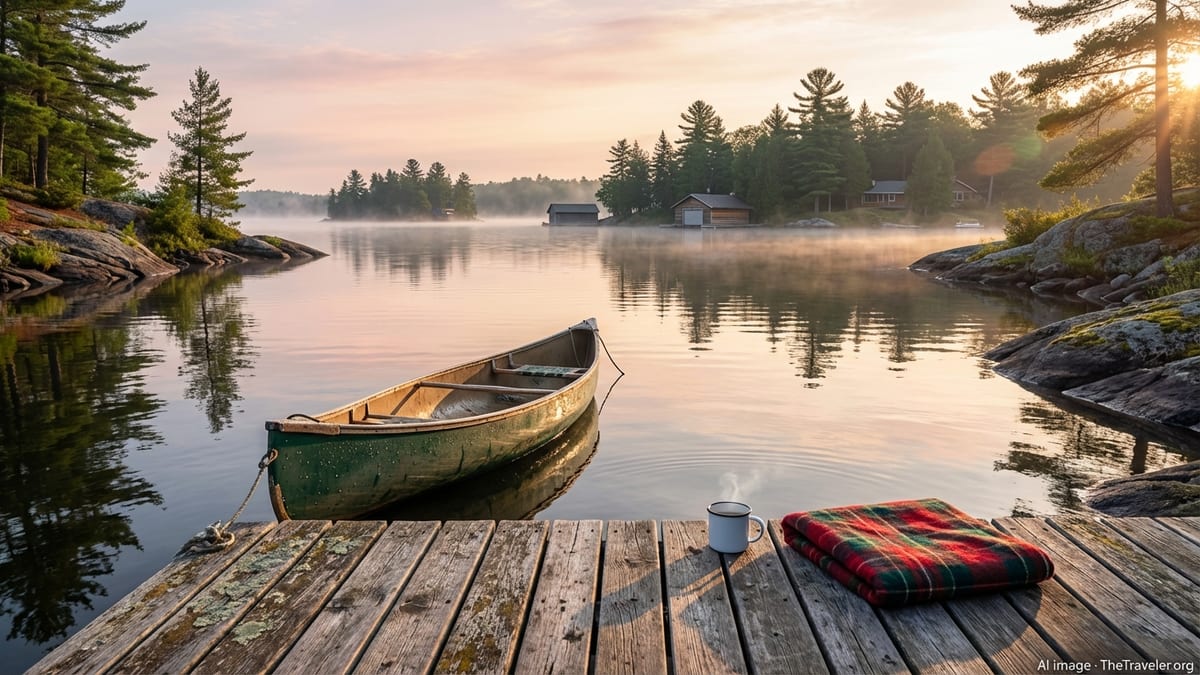
Paddling is an excellent way to experience Muskoka Lakes at a more relaxed pace. Kayaks, canoes and stand-up paddleboards are widely available for rent at resorts, marinas and outfitters. Early mornings and evenings are often the calmest times on the water, with glassy surfaces, mist rising from coves and better chances of spotting loons, herons or deer on the shore. Smaller lakes like Kahshe and Skeleton, as well as sheltered bays on the big three lakes, lend themselves especially well to quiet paddling, where you can pull into rock outcrops for a picnic and a swim.
If you prefer to leave the navigation to someone else, scheduled cruises offer a classic Muskoka experience. At the Muskoka Wharf in Gravenhurst, heritage steamships and modern excursion boats trace routes among the islands and along cottage-lined shores. Commentary typically covers the area’s history, including the early steamship era that made these lakes Canada’s original “cottage country” for city dwellers seeking fresh air. Specialty cruises sometimes focus on sunsets, dining or themed events, and in the peak of summer, advance reservations are often recommended.
Simple pleasures on the water do not require an engine or a ticket. Many public docks and small beaches around Muskoka Lakes are perfect for an afternoon of swimming and people-watching. Water quality is generally high, though the tea-colored tint of some lakes reflects natural dissolved organics rather than pollution. Basic water etiquette goes a long way: keep music volume low on open water, give paddlers and swimmers generous space, and respect “no wake” zones near marinas and shorelines. Treating the lakes as shared spaces ensures your own trip remains peaceful too.
Trails, Lookouts and Dark Sky Adventures
For all of Muskoka’s fame as a boating destination, its network of trails and lookouts offers a different angle on the landscape. Hikers can choose from easy forest loops to more rugged routes that climb to rocky viewpoints. Hardy Lake Provincial Park is a favourite for moderately challenging trails that wind over Canadian Shield outcrops and skirt quiet bays, offering the feeling of being deep in the backcountry without a long drive. Closer to the communities, local conservation areas provide shorter paths ideal for stretching your legs between swims and meals.
One of the signature vantage points in Muskoka Lakes is Huckleberry Rock Lookout, reached by a trail that leads to wide views over Lake Muskoka. The exposed, pinkish bedrock here is among the oldest surface rock in Ontario, and the height of land makes it a prime spot for sunsets that blaze across the western sky. Bring sturdy footwear, a flashlight or headlamp if you plan to linger after sunset, and be prepared for uneven footing on the rock. On clear evenings, you may find photographers with tripods lining up their shots as the last light fades over the islands.
Beyond day hikes, the region is known for its relatively dark skies. The Torrance Barrens Dark Sky Preserve, located between Gravenhurst and Bala, was recognized as a protected area where artificial light is kept to a minimum. On clear nights when the moon is not too bright, visitors can often see the Milky Way as a distinct band overhead. The terrain here is a mix of open rock, wetlands and sparse forest, so dress for cool night temperatures and bring red-filtered lights if possible to preserve night vision. Clear summer and early autumn nights are particularly rewarding.
Cyclists will find options as well. Two signature road-cycling loops circle Lake Muskoka and Lake Rosseau, starting and ending near Port Carling. These routes combine rolling terrain, lake views and sections of shoulder, though traffic levels and conditions can vary. They are best suited to experienced riders comfortable with hills and sharing the road with vehicles. For more leisurely pedaling, local backroads and village streets can provide gentler rides; just be mindful that shoulders can be narrow and that cottage-country driving styles vary between unhurried locals and visitors in a rush to reach the dock.
Village Vibes: Port Carling, Bala and Beyond
Even the most devoted dock-sitter eventually wants an espresso, an ice cream or a night of live music. That is where Muskoka Lakes’ villages come in. Port Carling, dubbed the “Hub of the Lakes,” is both a practical and picturesque stop. Here, locks connect Lake Muskoka with Lake Rosseau, and the waterfront is lined with shops, patios and docks often crowded with boats on sunny days. One outdoor highlight is the large photo mosaic known locally as “The Wall,” a mural composed of thousands of archival images that together form a historical steamship scene.
Bala, on the shores of Lake Muskoka’s Bala Bay, offers a different sort of small-town energy. It is widely known for its cranberry marshes and an annual autumn festival that turns the community into a hub for food vendors, live entertainment and family activities. In summer, Bala’s riverfront and waterfalls provide a scenic backdrop for strolls, while evening entertainment often centers on the Kee to Bala, a legendary lakeside concert hall that has hosted big bands, rock groups and Canadian chart-toppers for decades. Show schedules shift each year, so it is wise to check what is on during your visit and plan around late nights if you attend a concert.
Other communities around the township each bring their own character. Windermere and Minett on Lake Rosseau have long-standing resort traditions, with historic properties perched above docks where classic wooden boats are often tied up. The village of Rosseau at the northern tip of the lake is smaller and more laid back, with seasonal markets, a public dock and a sense of being a little farther off the main circuit. On the eastern side of Muskoka, Gravenhurst and the Muskoka Wharf district connect visitors to steamship history, waterfront parks and a busy weekly farmers’ market that draws locals and cottagers alike in high season.
Whichever village you use as your hub, it helps to arrive with flexible expectations. Summer weekends can bring lineups at popular bakeries and limited parking near the busiest docks. Side streets often lead to quieter spots, and early morning or late afternoon visits tend to be more relaxed. Many businesses are locally owned and seasonal, so opening hours can be shorter than in cities; planning your groceries, fuel stops and restaurant visits with that in mind can prevent last-minute scrambles.
Food, Drink and Cottage Country Culture
Muskoka Lakes has a food scene shaped by both lakeside leisure and the practicalities of small-town life. In peak season you will find everything from simple chip trucks near the water to refined dining rooms in resorts and country inns. Dockside patios serve casual fare to boaters who tie up for lunch before heading back out on the lake. Up the hill from the shorelines, cafes and bakeries fuel early-morning commutes to the marina and late-night walks back from concerts or campfires. While menus change from year to year, summer tends to highlight local produce, freshwater fish, barbecued meats and familiar cottage favorites.
Local producers are increasingly visible. Around Bala, cranberry farms offer tours, tastings and seasonal products that travel well as gifts. Farmers’ markets in Gravenhurst, Rosseau, Bala and other communities are the best places to find regional berries, vegetables, baked goods and artisanal items. Visiting a market is not just about shopping; it is also a way to tap into the community rhythm, hear what festivals and regattas are coming up and pick up practical tips about current conditions on the lakes or trails.
For many visitors, evenings are when Muskoka’s social side shines. The Kee to Bala is the most famous example, with a summer calendar that often combines established Canadian rock acts, tribute bands and up-and-coming performers in a rustic wooden hall that opens to the lake. Elsewhere around the lakes, resort lounges and patios host acoustic sets, trivia nights or low-key entertainment. If live music is important to your trip, checking event listings before you choose your travel dates can help you line up a show you want to see.
Cottage country culture extends beyond food and nightlife. Long-standing regattas, water-ski shows and community events around the lakes give visitors a window into traditions that predate today’s tourism marketing. You might stumble on a small-boat sailing race, a lakeside art show or a charity paddle. Many of these events are run by volunteers and posted on community boards or local media rather than national listings, so keeping an eye on posters in village centers or asking locals what is happening during your stay can pay off with memorable, low-key outings.
Planning Logistics, Safety and Responsible Travel
A Muskoka Lakes getaway feels most relaxing when the practical details are handled ahead of time. Summer accommodations on the big three lakes and in the most popular villages often book out months in advance, especially for holiday weekends. If your dates are fixed, secure your lodging early and then build your activity list around that base. Midweek stays are usually less crowded and can be friendlier on the budget. For shorter trips, consider staying closer to the main access routes to minimize driving time and maximize your hours on the water or trail.
Transportation planning is straightforward but important. Visitors from Toronto and southern Ontario typically arrive by car, using Highway 400 and connecting routes. Traffic can be heavy on Friday evenings and Sunday afternoons in summer, so giving yourself extra time reduces stress. Once you are in Muskoka Lakes, distances between villages seem modest but can involve narrow, winding roads where wildlife sightings are common. Driving more slowly than you might at home is not just courteous; it is safer for deer, turtles and other animals that cross near wetlands and lakes.
Safety on and around the water deserves special attention. Lifejackets or personal flotation devices are legally required and should be worn, not just stowed. Weather can change quickly, with sudden winds roughening open sections of lakes that seemed calm an hour earlier. If you are paddling or on a smaller boat, hugging the shoreline and planning routes that allow for sheltered bail-out points is wise. Swimmers should be aware of boat traffic and avoid long crossings far from shore, especially in narrow channels or near marinas where visibility can be limited.
Respecting the environment and local communities is a key part of responsible travel in Muskoka Lakes. Shorelines and wetlands are sensitive to erosion, pollution and noise. Keeping wakes low near cottages, avoiding litter and observing fire restrictions helps protect the natural setting that draws visitors in the first place. Sound carries far over water, so quiet hours after dark are more than a courtesy; they are often expected norms in cottage country neighborhoods. If you are renting a cottage, taking a few minutes to learn local rules about waste disposal, recycling and septic systems can prevent unpleasant surprises.
The Takeaway
Muskoka Lakes rewards visitors who balance spontaneity with a modest amount of planning. Choosing the right season and base, thinking through how much time you want to spend on the water versus on trails or in villages, and booking key elements like accommodation and boat rentals ahead of time all help your getaway unfold smoothly. Once you arrive, the attractions are simple: clear lakes, pine-scented air, big skies and the pleasure of unhurried hours away from daily routines.
Whether your ideal day is an early paddle through misty bays, an afternoon exploring Port Carling or Bala, or a late night at a lakeside concert, Muskoka Lakes can accommodate a wide range of travel styles. The region’s mix of resort history, small-town charm and rugged Canadian Shield landscape gives it a character that feels distinct yet welcoming, even if you have never spent time at a cottage before. With realistic expectations about summer crowds, off-season quiet and local customs, you can shape your trip into exactly the blend of adventure and relaxation you are looking for.
In the end, it is often the low-key moments that linger in memory: the call of a loon at dusk, the splash of a swim before breakfast, or the way the last light catches the granite shoreline. Plan the broad strokes of your Muskoka Lakes getaway, then give yourself permission to slow down, unplug and let the lakes themselves set the pace.
FAQ
Q1. How far is Muskoka Lakes from Toronto and do I need a car?
Most visitors reach Muskoka Lakes in roughly two to three hours by car from Toronto, depending on traffic and final destination. Public transit options into the township itself are limited, so having a vehicle is very helpful for reaching lakes, trails and small villages.
Q2. When is the best time of year to visit Muskoka Lakes?
July and August are warmest and busiest, with the widest range of events and activities. Late spring and early autumn are quieter, with cooler nights, good hiking conditions and vivid fall colors, while winter appeals to visitors interested in snowy landscapes and a slower pace.
Q3. Do I need boating experience to enjoy the lakes?
Boating experience is useful but not essential. Many marinas provide basic orientation and safety gear with powerboat rentals, while guided cruises and paddling rentals allow beginners to enjoy the water without advanced skills. Staying close to shore, watching the weather and respecting speed limits are important for newcomers.
Q4. Are there public access points if I am not staying on the water?
Yes, there are public docks, small beaches and boat launches around the region, especially near communities such as Gravenhurst, Port Carling and Bala. Facilities and parking vary by location, so it is wise to check local information and arrive early on busy summer days.
Q5. Is Muskoka Lakes suitable for families with young children?
Muskoka Lakes is generally very family friendly. Shallow swimming areas, gentle paddling routes, easy walking trails and kid-focused events in summer make it appealing for children, though parents should always supervise closely around water and in busy waterfront areas.
Q6. What should I pack for a Muskoka Lakes getaway?
Packing typically includes layered clothing for variable weather, swimwear, sturdy footwear for trails, insect repellent, sun protection and a light jacket for cool evenings. If you plan to boat or paddle, quick-drying clothing and a waterproof bag for valuables are also helpful.
Q7. Do I need to book activities and restaurants in advance?
In peak summer, advance reservations for popular restaurants, lake cruises, boat rentals and concert nights are strongly recommended. Outside of the busiest weeks, you will usually have more flexibility, but it still helps to reserve at least your top-choice experiences.
Q8. Is it possible to visit Muskoka Lakes on a budget?
Yes, with careful planning. Staying slightly away from the largest lakes, traveling midweek or in shoulder seasons, cooking some meals at your accommodation and focusing on low-cost activities such as hiking, swimming and exploring villages can keep expenses manageable.
Q9. How bad are insects in summer and how can I prepare?
Blackflies and mosquitoes can be noticeable in late spring and early summer, especially near wetlands and at dusk. Bringing effective insect repellent, wearing light long sleeves and pants in the evenings, and using screens or nets where available can make a big difference.
Q10. Are there safety concerns I should be aware of on the lakes and trails?
The main concerns are water safety, changing weather and natural hazards. Wearing lifejackets, monitoring forecasts, carrying basic navigation tools and staying on marked trails greatly reduces risk. Wildlife encounters are usually limited to distant sightings if you keep a respectful distance and secure food and waste.