

Windermere has been drawing visitors to the Lake District since Victorian times, and it remains one of England’s classic short-break destinations. With its broad ribbon of water framed by fells, busy jetties and quiet bays, elegant hotels and homely guesthouses, it offers that blend of fresh air, gentle adventure and creature comforts that makes for an effortless getaway.
Whether you are planning a first visit or returning after many years, a little preparation will help you make the most of your time beside England’s largest lake.
Getting Your Bearings Around Windermere
One of the first things to understand when planning a Windermere escape is that the lake and the village of Windermere are not the same place. The lake itself runs for around 11 miles through the heart of the southern Lake District, while Windermere village sits just over a mile inland. The main lakeside hub is Bowness-on-Windermere, halfway down the eastern shore, where ferries depart, shops buzz and the promenade fronts the water. To the north lie Waterhead and Ambleside, gateways to hikes and higher fells, while the quieter western shore feels more rural and wooded.
The area is well connected and comparatively easy to reach. Trains run to Windermere station from Oxenholme on the West Coast Main Line, putting the lake within a few hours of major cities such as London, Manchester and Glasgow. From the station you can walk down to Bowness in around half an hour, take a local bus, or grab a taxi if you have luggage. Drivers usually approach from the M6 via Kendal and the A591, a scenic route that winds past low hills and dry-stone walls before dropping towards the lake.
Public transport and boat services make it realistic to explore without a car, especially in warmer months when bus frequencies increase. Regular buses link Windermere, Bowness, Ambleside, Grasmere and Keswick, with additional seasonal routes to outlying valleys. On the water, a mix of large steamers and smaller launches run up and down the lake, with routes connecting Bowness to Lakeside at the southern tip and Waterhead near Ambleside in the north. Combined boat and bus tickets can simplify days out and reduce the number of cars on narrow lakeside roads.
Before you arrive, it is worth thinking about the atmosphere you want. Bowness is lively and convenient, especially for first-time visitors and families who want attractions and dining on the doorstep. Windermere village is slightly quieter and feels more like a traditional small town, with bakeries, outdoor shops and a more local buzz. Ambleside is popular with walkers and has a distinctly outdoorsy feel, while the western shore and nearby villages like Far Sawrey or Hawkshead are better suited to those seeking calm lanes, woodland strolls and darker night skies.
On the Water: Cruises, Ferries and Paddles
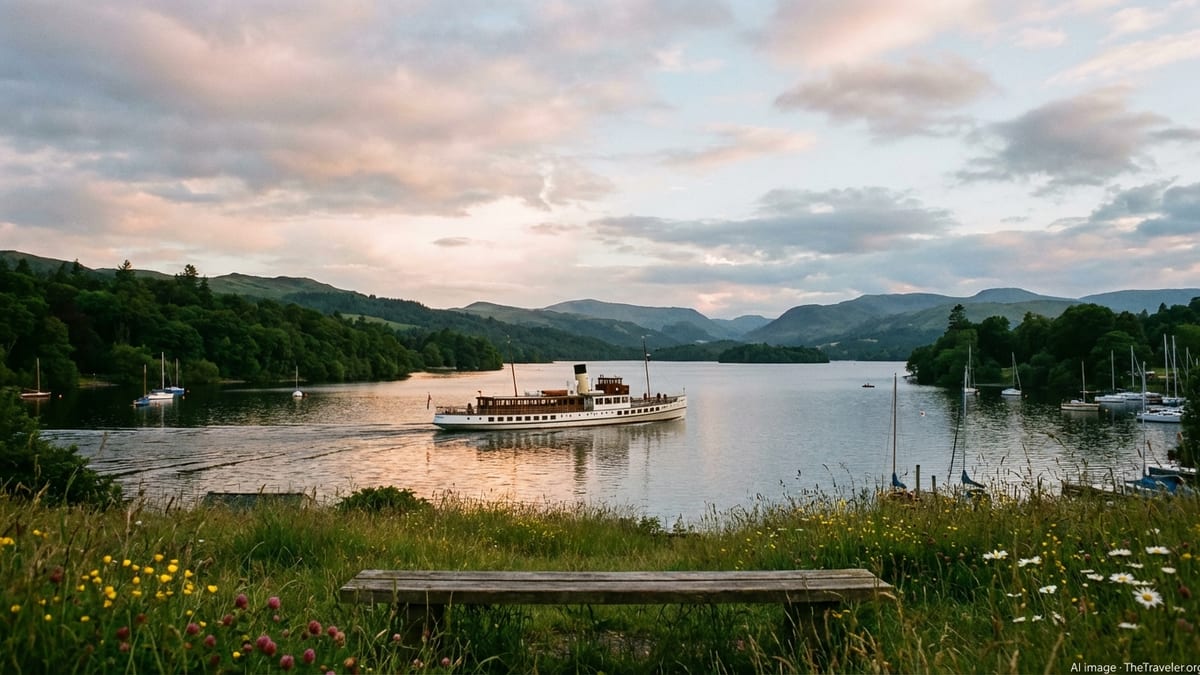
However you structure your Windermere break, time on the lake is the experience that ties it all together. Passenger boats operate along virtually the full length of Windermere, from Lakeside in the south to Waterhead at the northern end, stopping at Bowness and, on some services, smaller piers in between. Classic vessels, including heritage steamers dating from the late 19th and early 20th centuries, share the water with modern launches. Timetables shift with the seasons, but expect the most frequent services from spring through early autumn.
For many visitors, a simple out-and-back cruise from Bowness is the easiest introduction. Short circular trips showcase tree-clad islands, old boathouses and the broad sweep of fells beyond, all without committing half a day. Longer journeys linking Bowness, Waterhead and Lakeside give a sense of the lake’s full scale and can be combined with visits to attractions at either end, or with a walk between piers for a more active outing. On clear evenings, early or late season sailings can have a quieter, reflective feel, with lower light and calmer decks.
Those who want to be more hands-on will find plenty of opportunities to take the helm. Rowing boats and small motorboats are widely available for hire around Bowness during the main season, generally on an hourly basis. Basic instruction is usually offered, and buoyancy aids are commonly provided as standard. For a more adventurous perspective, several activity providers around the lake run guided canoeing and kayaking sessions, as well as stand-up paddleboarding, often at sheltered launch points or from private marinas. These outings suit a wide range of abilities, though it is always wise to confirm age limits, fitness expectations and clothing requirements in advance.
Another distinctive experience is the Windermere car ferry, which shuttles vehicles, cyclists and foot passengers between Ferry Nab near Bowness and Ferry House on the quieter western shore. The crossing takes roughly ten minutes and runs throughout the year, conditions permitting. Even if you are not using it as a transport shortcut, standing at the rail as cars and bikes roll on and off offers a down-to-earth glimpse of everyday Lakes life, and it is an easy way to link a lakeside stroll with a visit to villages and viewpoints on the far side.
Lakeside Towns, Villages and Viewpoints
Windermere’s settlements each have a distinct mood, and exploring them is one of the pleasures of a short break. Bowness is the most obviously resort-like, its central streets lined with cafes, ice cream parlours, independent boutiques and outdoor stores. Down at Bowness Bay, the scene is dominated by piers, ticket booths and the steady choreography of boats arriving and departing. A short stroll away, back lanes and viewpoint paths climb the hillside to benches with wider panoramas over the lake and islands.
Windermere village, a mile and a half uphill from the shore, feels more like a working town that happens to be in a spectacular setting. Around the station and main street you will find supermarkets, bakeries and the flagship store of a major homeware and kitchen brand, alongside galleries and small hotels. Because it is slightly removed from the water, accommodation here can be marginally better value, and you may find it easier to park if you are staying self-catered. Walkers often base themselves in or near Windermere for easy road and bus access to the other central lakes.
At the northern end of Windermere, Waterhead acts as a small but busy lakeside outpost for Ambleside, with jetties, guesthouses and a handful of cafes. It is here that many longer cruises turn around. A lakeside path runs around the bay, and the scenery towards the high fells becomes noticeably more dramatic. A short walk or bus ride inland brings you to Ambleside itself, a compact town squeezed into the valley, filled with outdoor shops, bookshops, pubs and restaurants. From here, footpaths radiate up towards destinations such as Stock Ghyll Force waterfall, Loughrigg Fell and Wansfell Pike, offering walks from gentle to demanding.
Cross to the western side of the lake and the character shifts again. Narrow lanes thread through fields and woodland, connecting small communities such as Far Sawrey and Near Sawrey. The slopes above offer views back across Windermere that feel quieter and more rural, even though busy Bowness is in sight across the water. The National Trust’s restored Claife Viewing Station, set above the western shore, is a particularly atmospheric viewpoint, with different coloured glass panels hinting at how Victorian tourists once interpreted the changing moods of the landscape.
Cultural Highlights and Family Attractions
While Windermere’s scenery is the main attraction, there is plenty to fill a grey or drizzly day. Literature lovers will already know that the wider Lake District is closely associated with the poet William Wordsworth, and several of his homes are within easy reach of the lake by car or bus. Grasmere, around 20 minutes’ drive north of Ambleside, is home to Dove Cottage and a modern museum complex that explores the life and legacy of the Wordsworth circle. Newer walking routes, such as a long-distance trail linking Ullswater to Ambleside, encourage visitors to explore the landscapes that shaped his writing in a more reflective way.
Closer to the lakeshore, families gravitate towards child-friendly attractions that bring local stories to life. In Bowness, the World of Beatrix Potter uses immersive sets, garden recreations and character displays to introduce younger visitors to Peter Rabbit and his companions, many of whom were inspired by the hills and farms of the surrounding countryside. Sessions are timed and it can be busy during holidays, so advance booking is often helpful. Just outside Bowness, the modern Windermere Jetty Museum sits right on the water, with galleries of vintage boats and a working heritage boatyard that highlight the long history of sailing and steam launches on the lake.
At the southern end of Windermere, Lakeside acts as another focus for indoor attractions. Here you will find the Lakes Aquarium, whose tanks and walk-through displays focus on freshwater species and aquatic environments, both local and from further afield. Its location next to the pier and the heritage Lakeside and Haverthwaite Railway makes it an easy combination with a lake cruise or a short steam train ride through wooded valley scenery. For children, the simple novelty of linking boat, train and aquarium in a single day is often memorable in its own right.
Garden enthusiasts have their own quieter set of highlights. Holehird Gardens, a few minutes’ drive from Windermere village, occupies a hillside site with rock gardens, a walled garden and extensive planting suited to the local climate. Maintained largely by volunteers, it is a place to slow down, look closely and enjoy long views towards the central fells. Elsewhere around the lake, country-house hotels and estates often have smaller formal gardens or woodland trails that are open to non-residents, particularly in spring and early summer when rhododendrons and azaleas are at their best.
Walking, Cycling and Gentle Adventures
For many visitors, Windermere is more about gentle exploration than serious mountaineering. Fortunately, the area is rich in low-level and moderate walks that pack a lot of scenery into relatively short distances. A simple but rewarding outing is to stroll from Windermere village to Orrest Head, a viewpoint that inspired railway visitors in the 19th century and still delivers one of the best introductory panoramas of lake and fells. The path is well signed from the main road, and while there are some steep sections, it is manageable for many families in decent weather.
Around Bowness and the western shore, a network of lakeside and woodland paths lets you create circular routes with ferry crossings as the linking element. One popular approach is to ride the ferry from Bowness to Ferry House, then follow paths and quiet lanes towards Claife Viewing Station, looping back along the shore. The mixture of water, woodland and occasional farmstead views encapsulates much of what people love about the Lake District, yet the terrain is relatively forgiving. On busier days, simply stepping away from the immediate ferry landings often brings a noticeable drop in foot traffic.
Cyclists will find options ranging from relaxed lakeside spins to more challenging fell routes. Around Windermere itself, the lanes above the western shore and towards Hawkshead are especially attractive for road and touring riders, with rolling climbs and frequent glimpses of water between stone walls and hedges. Several hire shops operate in Windermere, Bowness and Ambleside, offering everything from standard hybrids to e-bikes, which can make undulating terrain more accessible. It is always wise to check opening months, booking policies and route advice, particularly if you are visiting outside the main summer period.
Those in search of more structured adventure activities can tap into a well-established local industry. Guided scrambling, ghyll scrambling, rock climbing and navigation courses are widely available from operators based around Windermere and Ambleside. Many also offer family-friendly taster sessions suitable for older children, such as introductory climbing or abseiling on low crags. On or near the lakeshore, adventure centres combine treetop trails, zip lines, archery and water-based activities in one place, making them a useful option when visibility on the high fells is poor but energy levels remain high.
Where to Stay and What to Eat
Windermere’s long-standing appeal means there is a very broad mix of accommodation, from large lakeside hotels and luxury retreats to traditional guesthouses, self-catering apartments and budget-friendly hostels. Bowness offers the widest range within walking distance of the water, including period villas that have been converted into hotels and bed and breakfasts on quiet side streets. These are ideal if you want to step off the boat, stroll a few minutes uphill and be “home” for the evening. Some of the most sought-after properties occupy hillside positions, trading direct lakeside access for elevated views.
Windermere village, set slightly back from the lake, has its own cluster of guesthouses and small hotels, plus a few contemporary aparthotels that appeal to longer-stay visitors. The atmosphere is quieter at night than Bowness, but you are still within easy reach of dozens of pubs and restaurants by bus, taxi or an evening walk. Further north, Ambleside and the lanes leading out towards the fells are dotted with inns and small hotels that cater strongly to walkers, often with boot rooms, hearty breakfasts and relaxed lounges built around open fires.
Eating and drinking is one of the pleasures of any Windermere stay, with everything from fine-dining rooms to dog-friendly pubs and simple fish-and-chip counters. Lakeside and hillside hotels increasingly showcase local produce, whether in multi-course tasting menus or more casual bistro settings. In and around Bowness you will find international options, from Italian and Asian-inspired menus to classic British comfort food. Ambleside and Windermere village add bakeries, delis and cafes that are perfect for grabbing picnic supplies or a slice of cake after a walk.
It is worth noting that the Lake District as a whole has a strong reputation for food, with several high-profile restaurants and chefs based within a short drive of Windermere. While many of the most exclusive spots require advance booking, even modest pubs and cafes tend to take pride in serving local meat, cheeses and beers. If you are visiting in peak school-holiday periods or over bank holiday weekends, reserving dinner in advance, especially on Friday and Saturday nights, can help you avoid long waits or limited choice.
Practical Tips, Seasons and Responsible Travel
The Lake District’s weather has a deserved reputation for changeability, and Windermere is no exception. Even in high summer, it is wise to bring layers, a waterproof jacket and footwear that can cope with wet paths and occasional mud. Spring and early autumn can be particularly beautiful times to visit, with fresh green in April and May and rich colours in late September and October. Winter breaks are quieter and can be atmospheric, with snow on the higher fells and cozy evenings by the fire, but daylight hours are short and some attractions run reduced schedules.
Parking and crowding are key considerations in the busiest months, typically from late June through August and on bank holiday weekends. Car parks in Bowness, Windermere and Ambleside can fill up quickly on sunny days, especially near the lakeshore. Arriving early, using park-and-ride services where available, or basing your days around bus and boat travel can make outings far more relaxed. Many local authorities and the national park have put effort into promoting sustainable travel, so it is worth checking current guidance before you arrive to see what seasonal services are running.
Environmental concerns have become more prominent around Windermere, particularly in relation to water quality and the impact of pollution and heavy use on the lake and its catchment. Local authorities, campaign groups and utility companies are working towards reducing sewage discharges and improving the resilience of the ecosystem, but progress takes time. As a visitor, you can contribute by sticking to marked paths, taking litter home, using public toilets rather than the outdoors, and choosing operators that follow good environmental practices on the water and in the hills.
Finally, remember that Windermere and the surrounding valleys are not theme parks but living, working landscapes. Farms, small businesses and long-term residents all share the same narrow roads, footpaths and shorelines that make the area so attractive to visitors. Driving considerately on single-track lanes, keeping dogs under close control near livestock, giving way courteously on paths and supporting locally owned shops, cafes and accommodation can help ensure that your presence is a positive one. In return, you gain a richer experience and a sense of connection that lasts long after you have left the lake behind.
The Takeaway
A Windermere getaway can be as busy or as slow-paced as you choose. You might spend your days linking lake cruises with jetties and gentle walks, browsing outdoor shops and galleries, or simply sitting on a bench as boats come and go below. Families can weave together aquariums, character attractions and steam train rides, while walkers use the lake as a base for forays onto surrounding fells and literary landmarks. Food, comfort and scenery are constants, even as the weather and light shift hour by hour.
With a little forward planning around where to stay, how to move about and when to visit, Windermere becomes an easy destination to relax into, even for first-timers. Build in time for unscripted moments, from early-morning strolls along the shore to late sunsets reflected in still water, and you will start to understand why visitors have been drawn back here for generations. The lake may be familiar in postcards and guidebook covers, but it feels different every time you see it in person.
FAQ
Q1. How many days do I need for a Windermere getaway?
Most visitors find that two or three full days is enough for a good introduction, though a four- or five-night stay allows time for unhurried walks and day trips.
Q2. Do I need a car to enjoy Windermere?
A car is not essential. Trains, local buses, lake cruises and the car ferry make it feasible to explore without driving, especially between spring and autumn when services are more frequent.
Q3. When is the best time of year to visit Windermere?
Late spring and early autumn often provide a good balance of milder weather, longer daylight and slightly fewer crowds, though conditions are changeable year-round.
Q4. Is Windermere suitable for young children?
Yes. Short lake cruises, gentle lakeside walks, family attractions such as character-themed exhibits and the aquarium, plus easy access to facilities, make it very family friendly.
Q5. Can I swim in Lake Windermere?
Open-water swimming does take place, but you should be cautious. Check local advice on safety, water quality, temperature and access points, and avoid busy boat lanes.
Q6. What should I pack for a short break in Windermere?
Layers of clothing, a waterproof jacket, comfortable walking shoes or boots, and a small daypack are useful in all seasons, alongside any specialist gear you prefer.
Q7. Are there easy walks with good views for beginners?
Yes. Viewpoints such as Orrest Head above Windermere, short routes near Claife Viewing Station and low-level lakeside paths offer big scenery without strenuous climbs.
Q8. How busy does Windermere get in summer?
On sunny school-holiday days it can be very busy, with full car parks and crowded promenades. Starting early, using public transport and venturing to quieter shores all help.
Q9. Is Windermere a good base for exploring the wider Lake District?
It works well as a base, with road and bus links to Ambleside, Grasmere, Keswick and the central fells, plus reasonable driving times to other lakes and valleys.
Q10. How can I travel more sustainably during my visit?
Using trains, buses and boats where possible, choosing locally owned accommodation and eateries, respecting paths and wildlife, and reducing waste are all positive steps.