

Festival d’été de Québec is one of Canada’s biggest and most atmospheric music festivals, spilling out across historic streets and the vast Plains of Abraham each July.
Planning ahead turns what could be an overwhelming sea of crowds, stages, and logistics into one of the most enjoyable urban festival experiences in North America. Here is what you need to know to build your own stress free FEQ itinerary.
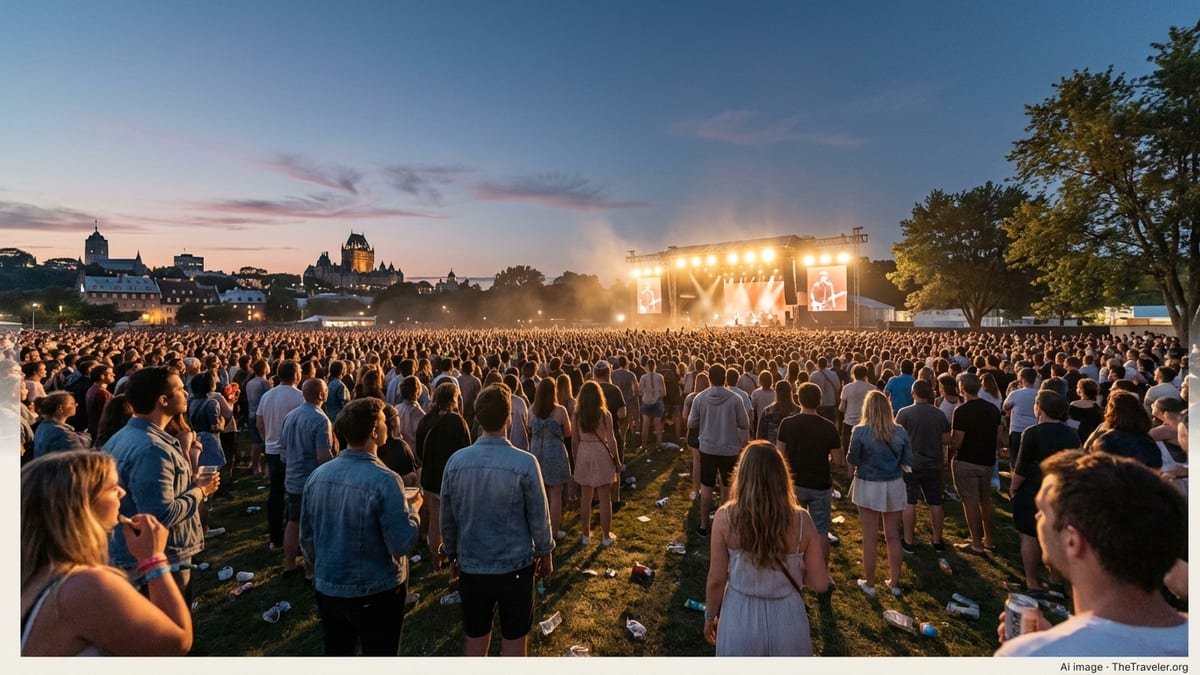
Understanding the Festival d’été de Québec
Festival d’été de Québec, often shortened to FEQ, is an 11 day music festival held every July in Quebec City. It has been running since the late 1960s and today is widely considered one of Canada’s largest and most diverse music events in terms of total artists, range of genres, and daily capacity. Programming typically mixes global headliners with Quebec stars and emerging Canadian acts, spread across multiple outdoor stages clustered in and around Old Quebec.
For most travelers planning now, the next confirmed edition runs from July 9 to 19, 2026. The festival organization has also already announced projected dates for the following years, which gives you an unusually long runway for planning accommodation and travel. Notice that FEQ always occupies 11 consecutive days in early to mid July. That pattern matters when you decide whether to commit to the full run, a long weekend, or a mid week stretch.
The heart of FEQ is the Plains of Abraham, a vast urban park that hosts the main Bell Stage and the largest nightly crowds. Secondary stages are set up at Place George V, Place de l’Assemblée Nationale, Place D’Youville, and other nearby sites, all within walking distance of each other once you are downtown. The compact footprint is one of FEQ’s strongest assets: you enjoy a multi stage festival without the exhausting commutes or remote campgrounds common at rural events.
Unlike single weekend festivals, FEQ feels more like an extended takeover of the city. Residents commute past festival gates on their way to work, families drop in for early evening sets, and visitors intersperse concerts with sightseeing, museum visits, and river walks. When you plan your trip, think in terms of days and rhythms inside a functioning city rather than an isolated festival bubble.
Tickets, Passes, and Budgeting
FEQ is built around a general admission festival pass rather than single day tickets for the main sites. The standard pass gives you access to all regular programming on pass required stages for the full 11 days, subject to venue capacity. That means you could theoretically attend concerts every evening and some late afternoon sets for less than the cost of a single stadium show in many other cities.
In recent years, the organization has emphasized keeping the pass affordable while acknowledging rising production and artist costs. For the 2025 edition, for example, general admission pass prices were announced around 165 Canadian dollars, after a modest increase from the previous year. Expect similar order of magnitude pricing going forward, but build a buffer into your budget to account for gradual annual increases and currency fluctuations if you are visiting from outside Canada.
On top of the standard pass, FEQ offers upgraded zones, including Silver and Gold sections and bleacher seating on the Plains of Abraham, as well as various hospitality or comfort focused configurations. These premium options are significantly more expensive but appeal to travelers who value better sightlines, reserved areas, or a less crowded experience. They are limited in number and can sell out quickly once the lineup drops, so if you are considering an upgrade, register for the festival newsletter or alerts and be prepared to purchase promptly.
A separate BLEUFEU pass bundles a FEQ festival pass with access to other events produced by the same organization and a gift card for indoor venue shows. This is most interesting if you travel frequently to Quebec City or plan to combine the summer festival with indoor concerts at venues such as Impérial Bell. For most one time visitors, the straightforward FEQ pass remains the most practical option.
Choosing Your Dates and Lineup Strategy
Because FEQ stretches across 11 days, most travelers face a core decision: attend the full run, target a favorite headliner, or book a shorter trip focused on the overall atmosphere rather than specific names. Each approach has trade offs. An 11 day stay lets you move at a relaxed pace and sample many artists, but requires more accommodation budget and time off. A long weekend limits costs but may force hard choices when the schedule is dense.
Lineups for each edition are announced several months in advance, usually late winter. At that point you can identify which nights are most appealing. Major headliners tend to appear on the Bell Stage at the Plains of Abraham, often drawing crowds in the tens of thousands. Secondary stages feature a rich blend of francophone artists, indie bands, electronic acts, and genre explorations, sometimes with programming that hardcore music fans find as rewarding as the main events.
When planning, avoid focusing exclusively on a single superstar act. The nature of an urban, multi day festival is that weather, logistics, or artist changes can shift details. It is wiser to choose a cluster of two to four days anchored by several artists you would be excited to see, then treat everything else as a bonus. That way, if a schedule change occurs or you decide to spend an evening exploring Quebec City’s neighborhoods instead of arriving hours early for a particular show, your trip remains satisfying.
Consider your stamina and preferences. Some travelers like to attend the opening nights, when the city is freshly buzzing and residents are still adjusting to festival mode. Others prefer mid festival weekdays, which can feel slightly more spacious, and then stay into the final weekend when energy peaks again. If you value more room on the Plains of Abraham, research past years to see which genres or nights traditionally draw the largest turnouts and plan accordingly.
Getting There and Getting Around
Quebec City is relatively easy to reach by air, rail, and coach. Quebec City Jean Lesage International Airport has direct flights to several Canadian hubs and selected US cities, with onward connections from Montreal or Toronto filling any gaps. From the airport to downtown, you can use taxis, ride hailing services, or public transit, but many visitors opt for a short taxi ride directly to hotels in Old Quebec or the Saint Roch district for convenience, especially with luggage.
By train, VIA Rail Canada serves Quebec City’s downtown Gare du Palais station and the Sainte Foy station further west. Arriving at Gare du Palais places you close to many festival sites and hotels, and is particularly convenient if you are traveling from Montreal or Ottawa. Intercity buses operated by companies such as Orléans Express and Intercar also connect Quebec City with other regions of Quebec and neighboring provinces, usually stopping at or near central transit hubs.
Once in the city, FEQ is designed to be experienced primarily on foot. The main sites are concentrated along Grande Allée and the adjacent Plains of Abraham, with Place de l’Assemblée Nationale and Place D’Youville within a reasonable walking radius. During the festival, secure pedestrian lanes are set up along key stretches of Grande Allée to keep crowds flowing, and temporary traffic measures may reduce vehicle access or slow driving in the immediate festival zone.
If you prefer two wheels, the city and festival both encourage cycling. In recent editions, dedicated bike parking areas with hundreds of spots have been set up near Hôtel Le Concorde and Place de l’Assemblée Nationale, along with safe crossings and shared bike and pedestrian lanes leading toward the sites. Helmets are accepted at coat checks, which makes biking to the festival more practical for visitors. Public buses and the ferry across the St. Lawrence sometimes adjust service during the festival period, so check current timetables if you are staying in Lévis or far from the central districts.
The Festival Sites: Plains, Stages, and Free Zones
The Plains of Abraham, a historic battlefield turned urban park, host the largest FEQ stage and its biggest crowds. This is where many marquee headliners perform, and where you will feel the most classic big festival atmosphere, with a vast standing area, food and drink vendors, and clear sightlines punctuated by giant screens. Entry points are typically at the Cross of Sacrifice and, on some years, a secondary entrance at Cap Blanc, with queues forming well before the most anticipated sets.
Place George V has become the second major paid site, hosting stages such as Loto Québec and SiriusXM, which often alternate sets so you can enjoy continuous music without moving far. It is accessed through dedicated entrances, often via Parc de la Francophonie. Expect multiple shows each evening, starting in late afternoon and running into the night, with bars and water fountains on site.
For a more relaxed, accessible experience, seek out the free sites. Place de l’Assemblée Nationale typically hosts the Hydro Québec Stage and a convivial zone known as Le Cœur, with food, drinks, and spaces to linger between shows. Place D’Youville offers another free stage, frequently focused on discoveries and a wide range of genres, alongside a seasonal biergarten vibe. These zones are ideal if you are traveling with companions who do not have passes every night or if you want to keep costs down while still soaking up the atmosphere.
Finally, the historic Armoury serves as the festival’s headquarters and occasionally hosts indoor or special events, sometimes marketed as Extras FEQ. These require a pass and, in some cases, additional tickets. The key planning point is that all of these venues are close together. You can realistically start an evening at a free show, cross to Place George V for back to back performances, and then walk to the Plains of Abraham in time for a headliner, provided you give yourself at least 20 to 30 minutes between sets and factor in security lines.
Practical Tips for Weather, Packing, and Comfort
July in Quebec City is warm, humid, and lively. Afternoon highs often sit in the mid 20s Celsius, with humidity that can make paved streets and stone walls feel hotter, especially between noon and late afternoon. Evenings are usually comfortable, sometimes cooling noticeably near the St. Lawrence River. Short thunderstorms can roll in quickly, followed by clear skies. Build that variability into your packing list and daily schedule.
At a minimum, bring breathable clothing, a light jacket or long sleeve layer, and a compact rain jacket or umbrella. Comfortable, broken in walking shoes are essential. The streets around Old Quebec and the festival sites are hilly, and you may end up walking several kilometers each day without realizing it as you move between hotel, restaurants, and stages. A refillable water bottle is useful because the sites now include multiple water refill points, letting you save on bottled water and stay hydrated without constantly queuing at bars.
Sun protection matters more than visitors expect. Shade on the Plains of Abraham is limited, and terrace seating around Grande Allée may not always include umbrellas. A hat, sunscreen, and sunglasses will make long afternoons in queues or at early sets much more comfortable. Many seasoned festivalgoers also carry a light scarf or bandana, which can double as extra sun cover, a barrier against dust on dry evenings, or an extra layer when temperatures dip late at night.
Plan your daily rhythm to match the weather. Mornings are a good time for walking tours of Old Quebec, museum visits, or excursions such as river cruises, kayaking, or trips to nearby Île d’Orléans. Use the hottest part of the afternoon for shaded cafes or indoor attractions, then head toward the festival sites as temperatures ease. If rain appears on the forecast, remember that summer storms are often brief. Rather than cancelling your plans, have a sheltered spot in mind, wait out the downpour, and then continue on your way once the skies clear.
Accommodation, Neighborhoods, and Food
FEQ’s popularity means that accommodation in central Quebec City fills quickly, particularly for weekends and nights with major headliners. As soon as dates are confirmed, start monitoring availability. Hotels and guesthouses in Old Quebec and along Grande Allée offer unmatched proximity to the main sites. You can often walk from your room to the Plains of Abraham in under 15 minutes, which makes it easy to return for a quick rest or change of clothes between afternoon sightseeing and evening shows.
An alternative many travelers enjoy is staying in Saint Roch or Saint Jean Baptiste. These neighborhoods, just a short uphill or downhill walk from Old Quebec, have vibrant local restaurant and bar scenes, often at lower prices than the most touristed streets inside the old city walls. In Saint Roch especially, you will find microbreweries, cafes, and creative bistros that feel less like a postcard backdrop and more like the places where residents actually spend their evenings. The walk to festival sites typically takes 15 to 25 minutes, depending on your exact address.
If you are on a tighter budget or booking late, consider accommodation slightly farther out along major transit routes, then use buses or rideshares to reach the festival zone. Parking directly near the sites can be challenging and subject to temporary restrictions, so if you do drive, aim to park once at a garage or lot outside the most congested area and walk in. Some visitors also stay across the river in Lévis, using the ferry for a scenic daily commute, though ferry schedules may be adjusted around festival dates.
Quebec City’s food scene is a highlight in its own right, and a key part of any festival plan. Rather than rely solely on festival site vendors, which primarily serve quick meals and snacks, treat your late afternoon or early evening as an opportunity for a proper sit down dinner in town, then head to the stages. This not only supports local businesses but also helps you avoid the longest food lines during peak concert times. Book reservations for popular restaurants, especially on Fridays and Saturdays of the festival period.
On Site Logistics, Safety, and Accessibility
Security measures at FEQ are similar to those at large festivals worldwide, with bag checks, controlled entrances, and restrictions on certain items. Exact policies can change between editions, so consult the official information as your trip approaches, but expect limits on bag size and types of containers allowed. Arrive earlier than you think necessary for high demand headliners on the Plains of Abraham, as security lines and the walk from entrances to your preferred viewing spot both take time.
The festival promotes a safe and welcoming environment. Visible security staff, medics, and volunteers are present throughout the sites, and there are established emergency corridors along nearby routes to ensure rapid access for first responders. Familiarize yourself with exits, meeting points, and the general layout when you first enter a site, especially if you are attending with children or a group that may get separated in crowds.
Accessibility has been steadily improving. Surfaces on the Plains and at other sites are a mix of grass, packed earth, and pavement, so mobility can vary depending on recent weather. Designated viewing areas, accessible entrances, and information for visitors with reduced mobility are usually outlined in the festival’s official guidance. If someone in your party has specific needs, contact the festival office before your trip to confirm available services, from platform access to companion policies.
Cashless payments are increasingly common at bars and food stands, though it is still useful to carry a small amount of Canadian cash for smaller vendors or off site purchases. Mobile connectivity is generally good, but networks can slow when tens of thousands of people converge on the same area. Taking screenshots of your tickets, passes, and key information before leaving your hotel, as well as agreeing on a meeting point if phones fail, can save you stress later in the evening.
The Takeaway
Planning your Festival d’été de Québec experience is about more than securing a pass and circling a few headliners on the lineup. This is an extended urban festival woven into the fabric of a historic city, with walkable stages, free sites, and neighborhoods that reward curiosity well beyond the main crowds. With thoughtful choices about dates, accommodation, and daily rhythm, you can enjoy world class concerts without sacrificing comfort.
Start by anchoring your trip around the confirmed July dates and your preferred artists, but keep your plans flexible enough to follow serendipity. Use daytime hours to discover Quebec City’s architecture, riverfront, and food scene, then lean into the energy of evenings on the Plains of Abraham and surrounding stages. Pack for changing weather, stay hydrated, build in downtime, and treat transit and walking routes as part of the experience rather than an obstacle.
Above all, remember that FEQ is built for repeat visits. Many fans return year after year, experimenting with different neighborhoods, vantage points, and schedules. Whether this is your first trip or a new chapter in a long tradition, careful preparation will help you navigate crowds and logistics so that what remains most vivid in memory is the music itself, echoing over the Plains and through the stone streets of Quebec City.
FAQ
Q1. When is the next Festival d’été de Québec, and how far in advance should I book?
The next confirmed edition runs from July 9 to 19, 2026, with similar dates projected for subsequent years. For central hotels and popular weekends, aim to book at least six to nine months in advance, and earlier if you have specific properties or room types in mind.
Q2. Is it worth buying a full festival pass if I can only attend a few days?
Because the standard pass covers all 11 days at a relatively low per day cost, it can still be good value even if you only attend three or four nights, especially on big headliner evenings. That said, if your schedule is very limited and your budget tight, consider planning your trip around free sites and one or two key nights rather than stretching finances for an underused pass.
Q3. How early do I need to arrive for major headliners on the Plains of Abraham?
For the biggest artists, plan to be on site at least one to two hours before showtime, and earlier if you want to be close to the stage. Capacity is large but not infinite, and security checks plus walking time from entrances to your preferred viewing area can add up, especially on warm evenings.
Q4. What is the best neighborhood to stay in for easy access to the festival?
Old Quebec and the area around Grande Allée put you closest to most stages, often within a 10 to 20 minute walk. Saint Roch and Saint Jean Baptiste offer a strong mix of local restaurants and nightlife while remaining within walking distance. Your choice depends on whether you prioritize postcard views and immediate proximity or a more local, slightly quieter base.
Q5. Do I need to speak French to enjoy the festival and the city?
French is the primary language in Quebec City, and many artists and announcements reflect that. However, staff, volunteers, and most people working in tourism are used to anglophone visitors and can typically assist in English. Learning a few basic French greetings and phrases is appreciated but not essential for a smooth festival experience.
Q6. How family friendly is Festival d’été de Québec?
FEQ can be family friendly, especially earlier sets and free sites where the atmosphere is more relaxed. Late night headliners on the Plains of Abraham draw dense crowds and may be less comfortable for younger children. If you are attending with kids, consider noise protection, choose vantage points with easier exits, and mix festival time with quieter daytime activities around the city.
Q7. What should I absolutely not bring to the festival sites?
Prohibited items vary by year, but commonly include large or hard shell coolers, glass containers, certain camera equipment, and objects that could be considered unsafe. Check the official guidelines before packing your bag, and when in doubt, opt for smaller soft bags, refillable plastic or metal bottles, and basic personal items rather than bulky gear that may be turned away at security.
Q8. How does rain or bad weather affect shows?
Most FEQ programming continues in light rain, with only strong storms or unsafe conditions triggering delays or cancellations. July storms are often brief, so a short pause may be followed by resumed performances. Dressing in quick drying layers, carrying a light rain jacket, and having a flexible mind set will help you enjoy the festival even when the forecast is unsettled.
Q9. Are there food options for specific dietary needs inside the festival?
Food offerings on site have grown more varied in recent years, with options that may suit vegetarian, vegan, or gluten conscious diners, though selection changes each edition. If you have strict dietary requirements, it is wise to eat a more substantial meal at a restaurant before entering, then use festival vendors mainly for snacks and drinks.
Q10. Can I enjoy FEQ without a big focus on the headline acts?
Yes. Many visitors structure their evenings around secondary stages and free sites, discovering new artists, especially in francophone, indie, or experimental genres. You can easily spend several nights exploring Place de l’Assemblée Nationale, Place D’Youville, and Place George V without ever pushing to the front of the biggest Plains of Abraham crowds, and still come away feeling you experienced the essence of the festival.