

More news on this day
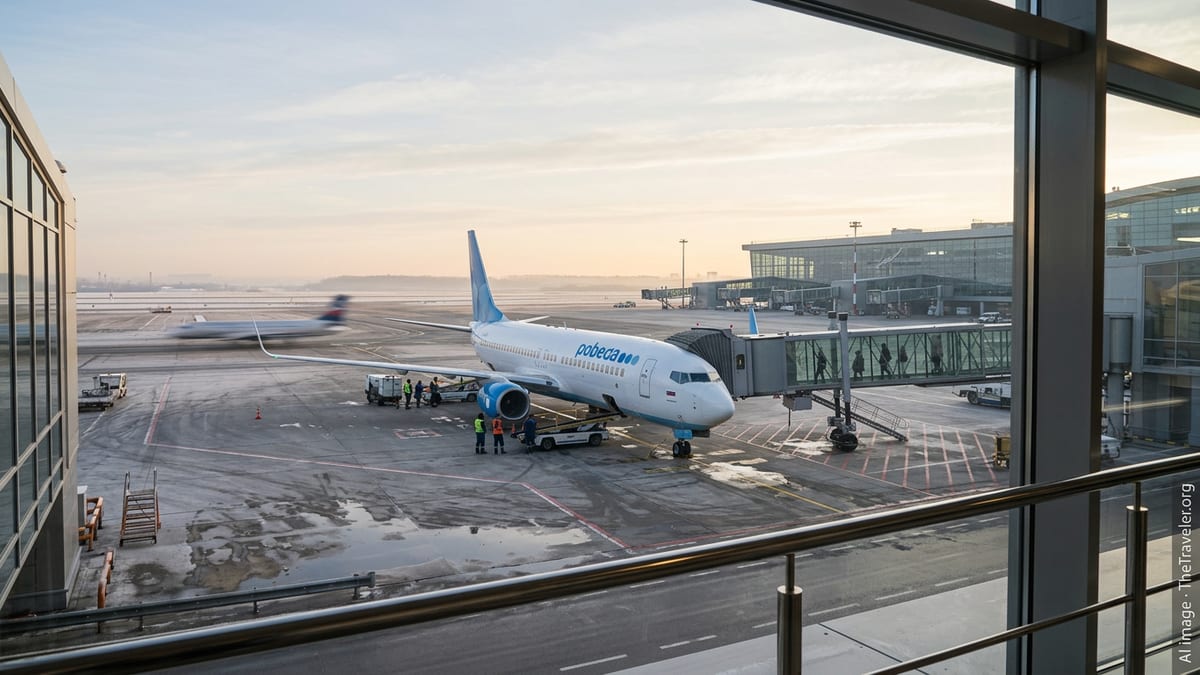
Russian low cost airline Pobeda is set to deepen air links between Russia and Uzbekistan in early 2026, adding new regular routes from Moscow that aim to make travel more affordable for tourists, migrant workers and business travelers across both countries.
New Moscow Links to Southern and Western Uzbekistan
According to recent announcements from Uzbek and Russian aviation outlets, Pobeda will introduce new regular flights from Moscow’s Vnukovo Airport to the Uzbek cities of Termez and Nukus as part of its 2026 schedule. The move comes on top of existing services to Tashkent and Samarkand and reflects the low cost carrier’s broader strategy of expanding into underserved regional markets.
Initial schedules indicate that the Moscow–Termez route will begin operating around late February 2026, with twice weekly flights designed to connect the Russian capital with Uzbekistan’s southernmost region. Services to Nukus, in the autonomous Republic of Karakalpakstan in western Uzbekistan, are expected to follow in early March 2026 on a similar twice weekly basis.
Industry observers say the new routes, once fully operational, will offer direct access from Russia to regions of Uzbekistan that have traditionally relied on domestic connections via Tashkent. For passengers, that could mean shorter total journey times, fewer transfers and a significant reduction in overall travel costs.
The expansion continues a pattern of gradual growth in direct Russia–Uzbekistan capacity in recent years, with Pobeda and other carriers adding new frequencies and destinations as demand from both leisure and labour markets has recovered.
Boost for Tourism to Emerging Uzbek Destinations
The launch of regular flights to Termez and Nukus is expected to raise the profile of two destinations that, while less well known internationally than Tashkent, Samarkand or Bukhara, have rich cultural and historical appeal. Tour operators in Uzbekistan anticipate that easier access and low fares from Moscow could encourage more Russian travelers to venture beyond the main tourist circuit.
Termez, located near the Afghan border on the Amu Darya River, is home to important archaeological sites linked to Buddhism and the ancient Greco Bactrian kingdom. Until now, reaching the city from Russia typically required a domestic connection from Tashkent or long overland travel, limiting its potential for short breaks and organized tours.
Nukus, capital of Karakalpakstan, offers a different attraction: its status as a gateway to the Aral Sea region and its renowned Savitsky Museum of Art. Direct flights from Moscow could feed a growing niche of cultural and environmental tourism, with travelers combining visits to the museum with excursions into the surrounding desert landscapes and former port towns.
Local authorities in both regions have been investing in tourism infrastructure, from hotel capacity to visitor services, in anticipation of increased international arrivals. The addition of a budget carrier from Russia is seen as a key piece of that strategy, opening the door to more frequent, shorter and price sensitive trips.
Lower Fares and Greater Options for Labour and VFR Travel
Beyond tourism, the new routes are likely to be particularly significant for migrant workers and passengers traveling to visit friends and relatives, who make up a substantial share of traffic between Russia and Uzbekistan. Low cost fares are expected to be a central selling point, mirroring Pobeda’s pricing on existing routes within the region.
Economic ties and labour migration have kept demand for flights between the two countries consistently high, even during periods of geopolitical and economic uncertainty. Many Uzbek citizens working in Russian cities travel home several times a year, and cost remains a decisive factor in route choice.
By operating from Moscow’s Vnukovo Airport and using a high density single class configuration, Pobeda can push unit costs down and advertise competitive base fares. While ancillary fees for baggage and seat selection remain a feature of the low cost model, the overall price of a point to point journey is generally lower than on full service competitors, especially for passengers who travel light.
Travel agents in both Russia and Uzbekistan report that advance bookings on new routes typically spike once schedules are confirmed and ticket sales open, as price sensitive travelers lock in dates for seasonal trips, holidays and family events. The timing of the 2026 launches positions the routes to capture demand ahead of the busy spring and summer travel periods.
Strengthening Bilateral Connectivity and Regional Hubs
Pobeda’s expansion into additional Uzbek cities also fits within a broader trend of Central Asian markets seeking greater connectivity with Russia and beyond. Uzbekistan’s aviation authorities have been liberalizing their approach to foreign carriers, encouraging both low cost and full service airlines to open new routes to regional airports.
Additional direct flights from Moscow are expected to reinforce the role of Tashkent, Samarkand, Fergana and other Uzbek gateways as regional hubs, offering onward connections deeper into the country. Passengers from Russian regions will be able to route via Vnukovo to reach a wider range of Uzbek destinations on a single ticket or through self connections arranged with domestic carriers.
For Russia, expanded links to Uzbekistan support trade, educational exchanges and broader people to people contact at a time when many traditional international markets have become more complex or constrained. Airlines such as Pobeda, focused on cost control and quick turnarounds, provide a flexible tool for meeting demand shifts without requiring large investments in new long haul capacity.
Aviation analysts note that the success of the new flights will depend on stable regulatory conditions, continued demand from migrant and leisure segments, and the ability of airports in both countries to handle growing passenger volumes efficiently. However, initial signals from booking trends and previous route launches suggest that additional Russia–Uzbekistan capacity can be absorbed without undermining existing services.
Implications for Travelers Planning 2026 Trips
For travelers planning itineraries in 2026, the new Pobeda services mean more choice on Russia–Uzbekistan routes, particularly for those whose final destinations lie outside the main tourist and business centers. Holidaymakers may find that combining a stay in Moscow with onward travel to Termez or Nukus becomes both simpler and more affordable.
Business travelers exploring opportunities in logistics, construction, energy and tourism in southern and western Uzbekistan will gain the option of flying closer to project sites, reducing the need for lengthy internal transfers. This may be especially attractive for small and medium sized enterprises seeking to manage costs while maintaining regular presence in the region.
Travel experts advise passengers to pay close attention to fare structures and baggage rules when booking on low cost carriers, as add ons can materially change the final ticket price. However, they also note that the presence of an additional airline on key city pairs often encourages competitive pricing across the market, potentially lowering fares on rival carriers as well.
As Pobeda prepares to launch its early 2026 schedule, the planned Moscow connections to Termez and Nukus underscore how shifting aviation patterns can open new corridors for tourism, labour mobility and trade across Central Asia. For both Russia and Uzbekistan, denser and more diversified air links are becoming a central element of regional economic integration.