

More news on this day
Poland has elevated its travel warning for Cuba to the highest level, urging residents to avoid non-essential trips as an escalating energy crisis on the island triggers extended blackouts, fuel shortages and mounting disruption to transport and basic services.
Get the latest news straight to your inbox!
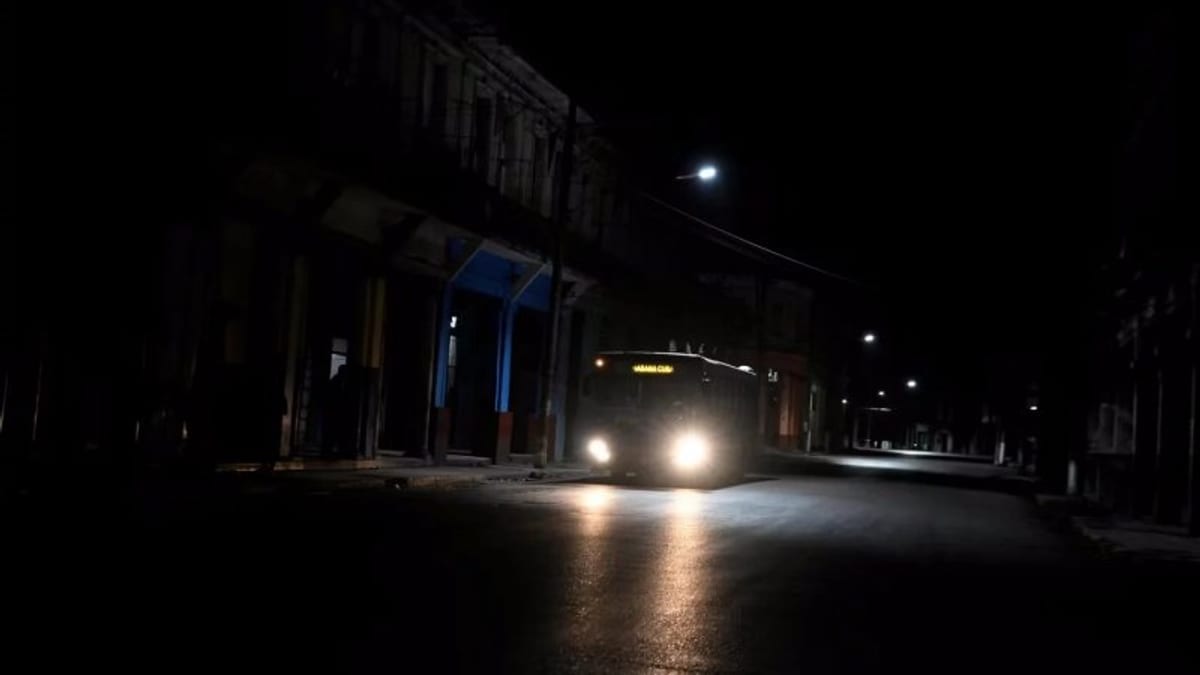
Image by news.az
Energy Shortages Bring Daily Life in Cuba to a Standstill
Publicly available reporting indicates that Cuba is facing one of its most severe energy crises in decades, with nationwide fuel shortages and frequent electricity outages affecting much of the island. Power cuts lasting many hours have been reported in multiple provinces, disrupting everything from refrigeration and water pumping to communications and traffic systems.
Analysts point to a combination of aging power infrastructure, sharply reduced fuel supplies and wider economic strain as key factors behind the shortages. Several thermoelectric plants have reportedly been operating at reduced capacity or undergoing repeated breakdowns, forcing authorities to alternate power cuts across regions in an effort to preserve the grid.
The deterioration has left households and businesses relying heavily on generators where fuel is available, or enduring prolonged periods without electricity where it is not. For foreign visitors, the result is a growing likelihood of encountering darkened streets, intermittent air conditioning, limited internet access and frequent service interruptions during a stay in Cuba.
The strain on basic services has also raised concerns about healthcare and food distribution. Interruptions to cold storage and water systems can affect the availability of medicines and perishable goods, creating an environment that foreign ministries increasingly describe as unpredictable and difficult for tourists to navigate safely.
Transport, Flights and Tourism Services Under Pressure
The energy crunch is having a pronounced impact on Cuba’s transport network, including aviation, public transit and road travel. Industry notices circulated in recent weeks describe acute shortages of aviation fuel at key airports, with warnings that supplies cannot be guaranteed for commercial operations.
Airlines serving Cuba have faced a higher risk of schedule changes, last-minute timing adjustments and occasional diversions as carriers respond to uncertain fuel availability and operational constraints. Travelers have been advised in open-source travel guidance to prepare for delays, altered routes and limited on-the-ground assistance in case of disruption.
On the island itself, reduced fuel deliveries have reportedly led to fewer buses on urban and intercity routes, longer queues at petrol stations and curtailed taxi services. Tour operators that rely on private coaches and vans have had to adjust itineraries, sometimes consolidating excursions or shortening day trips when fuel cannot be sourced easily.
The hospitality sector, long a pillar of Cuba’s economy, is also under strain. Hotels and guesthouses face difficulty maintaining consistent air conditioning, lighting and water pressure, with some properties resorting to scheduled power usage or generator back-up that may not cover all guest areas. Travelers who booked all-inclusive stays are increasingly encountering scaled-back services compared with pre-crisis expectations.
Poland Aligns With Broader European Caution
By raising its advisory for Cuba to the highest level, Poland has joined a small but growing group of European governments taking a more restrictive stance on travel to the island amid the deepening crisis. Public travel-advisory maps in recent weeks have shown Cuba moving into the most severe warning category for several European countries, reflecting shared concern about the reliability of essential services and transport.
Poland’s decision follows a pattern of incremental tightening, as earlier guidance had already urged additional caution for travelers heading to Cuba. The latest shift to a strong “do not travel” message underscores how quickly conditions on the ground have deteriorated and how difficult it may be for consular staff to assist citizens in the event of widespread outages or infrastructure failures.
Regional observers note that European governments are monitoring not only the immediate safety situation but also the potential for larger humanitarian pressures driven by prolonged blackouts, shortages of fuel and food, and rising public frustration. While Cuba remains a popular winter-sun destination for parts of Europe, travel planners increasingly view the island as a higher-risk option compared with other Caribbean markets that are not experiencing similar systemic energy problems.
Travel insurers are also adjusting to the new landscape. Policy documents and industry commentary suggest that some insurers may restrict coverage for trips to destinations under highest-tier government warnings, or impose additional conditions and documentation requirements on travelers who choose to go despite official advice.
What the Warning Means for Polish and Other European Travelers
In practical terms, Poland’s highest-level advisory signals that new leisure bookings to Cuba are strongly discouraged and that those considering travel should reassess their plans. Although the warning does not itself prevent individuals from going, it indicates that travelers may face significant challenges if conditions worsen, including limited local support and potentially constrained consular assistance.
Travelers already in Cuba are being encouraged, through publicly accessible guidance in Europe, to stay in close contact with their tour operators and airlines, to monitor local news where possible, and to be prepared for sudden changes to flight schedules or hotel operations. Reliable access to cash is also highlighted as an issue, given that payment terminals and banking services may be disrupted by power cuts.
For tour operators in Poland and across Europe, the heightened warning is likely to accelerate a shift away from Cuba in upcoming seasons. Industry analysts anticipate more capacity being redirected to alternative long-haul beach destinations seen as more stable, such as parts of Mexico, the Dominican Republic and selected Central American and Atlantic islands.
Independent travelers who still decide to visit Cuba despite the advisories are being urged by consumer associations to plan with unusual care. Recommendations emphasize flexible tickets, comprehensive travel insurance, backup paper copies of key documents, and a realistic expectation that comforts such as reliable air conditioning, always-on Wi-Fi and predictable transport may not be available throughout their stay.
Caribbean Travel Landscape Shifts as Crisis Deepens
The situation in Cuba is reshaping perceptions of risk across the wider Caribbean travel market. While many neighboring destinations continue to promote stable tourism offerings, the cascading effects of Cuba’s energy crisis highlight how dependent island economies are on secure fuel supplies and resilient power grids.
Travel analysts point out that Cuba’s difficulties may divert visitors and investment to competing destinations, at least in the short term. Hotels and airlines that once concentrated heavily on Havana and popular resort areas are reevaluating route networks and marketing plans, looking instead to countries where infrastructure is seen as better able to withstand external shocks.
At the same time, the crisis has sharpened conversations about energy security and climate resilience in tourism-dependent economies. Regional policy papers and development briefings stress the need for diversified energy sources, modernized grids and contingency planning for fuel disruptions, all of which can reduce the likelihood that a similar situation will emerge elsewhere.
For travelers following events from abroad, Poland’s decision to lift its Cuba advisory to the highest level is a clear signal that conditions on the island have moved beyond ordinary inconvenience. As long as the energy crisis continues to strain daily life and tourism infrastructure, Cuba is likely to remain under heightened scrutiny from European travel authorities and the international tourism industry.