

More news on this day
Poland has become the latest country to sharply escalate its travel advice for Cuba, aligning with the United Kingdom, Canada, Sweden, Ireland and Australia as governments react to a rapidly worsening economic and energy emergency on the island, compounded by intensified United States sanctions and a tightening fuel embargo.
Get the latest news straight to your inbox!
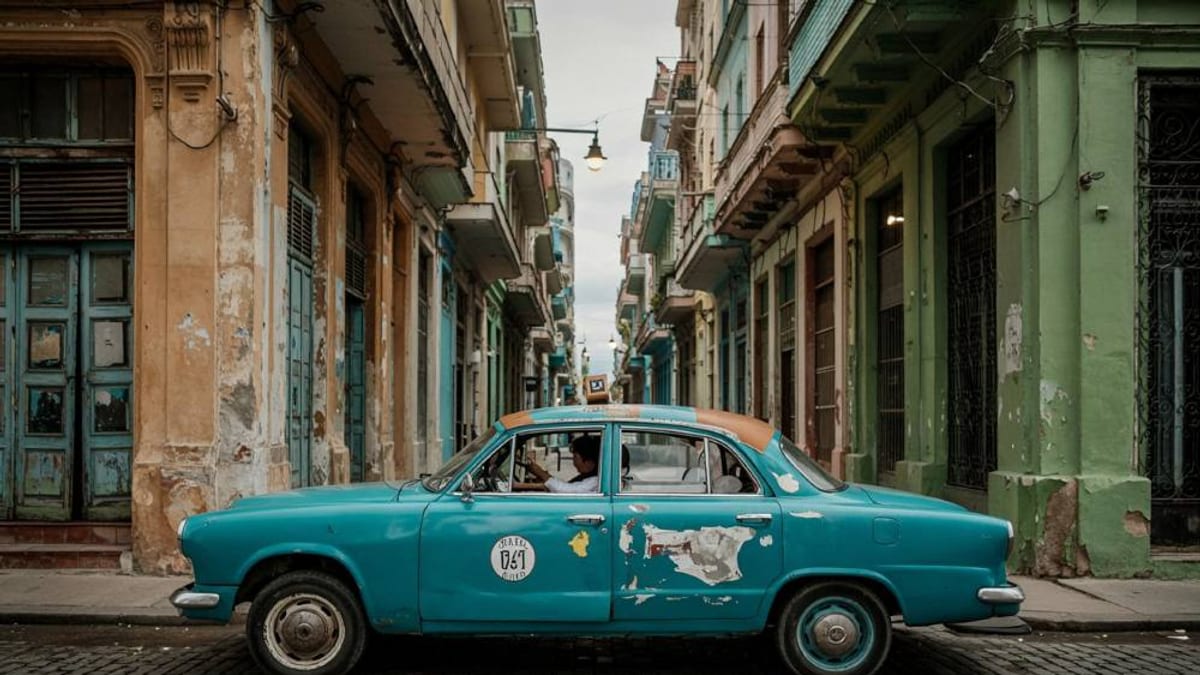
Image by Global Travel Alerts, Advisories, International Travel Alerts
New Wave of Travel Warnings Targets a Deepening Crisis
The Polish Foreign Ministry has updated its guidance to advise against non essential travel to Cuba, citing acute shortages of fuel, electricity, food and medicines, as well as mounting disruptions to transport and tourism services. The move brings Warsaw into line with a growing group of Western governments that have elevated risk assessments for the Caribbean nation in recent weeks.
Publicly available information from the United Kingdom shows that the Foreign, Commonwealth and Development Office is now advising against all but essential travel to Cuba, pointing to severe and worsening interruptions to power, fuel supply and basic infrastructure. This marks one of the strongest positions taken by London toward the island in recent years and reflects concern that even tourist areas are no longer insulated from the crisis.
In Canada, government travel advice has shifted from general caution to stronger warnings that conditions are deteriorating quickly. Updated notices highlight the possibility of sudden flight disruptions, shortages reaching resort zones and difficulty accessing food, safe drinking water and medical care. The change came as Canadian airlines suspended or curtailed services because aviation fuel could no longer be guaranteed at Cuban airports.
Sweden and Ireland have also raised their alert levels, with Swedish authorities advising against non essential trips due to the seriousness of the situation and the risk that visitors could become stranded by transport failures. Australia’s Smartraveller service urges travelers to reconsider their need to go to Cuba, singling out fuel shortages that are affecting essential services across the island.
Energy Blackouts and Economic Collapse Reshape Daily Life
The latest travel advisories are built around a rapidly escalating energy emergency and a broader economic collapse that analysts describe as the island’s worst peacetime crisis in decades. Since 2024, Cuba has endured rolling blackouts that initially lasted just a few hours but have grown into nationwide outages lasting more than a day in some cases.
Recent reports describe repeated collapses of the national grid in March 2026, leaving the entire country without power multiple times in a single month. Authorities have responded by activating isolated generating “micro islands” to keep hospitals and water systems functioning, but large segments of the population and many tourist areas have been left without electricity for extended periods.
The energy crunch is closely tied to an abrupt reduction in oil shipments following a tightening of the United States embargo and new enforcement actions against vessels supplying fuel to Cuba. International coverage notes that the island’s already fragile power system, aging plants and lack of spare parts were pushed beyond their limits once these flows were disrupted.
Beyond energy, Cuba is struggling with a prolonged contraction that began after the pandemic and has been aggravated by failed currency and wage reforms. Independent economic reports indicate that the country has faced several consecutive years of declining output, leading to chronic shortages of basic goods, rising food prices and an exodus of skilled workers from key sectors including tourism, health care and engineering.
Tourism Industry Buckles as Airlines and Hotels Scale Back
The tourism sector, long a critical source of foreign currency for Cuba, has been hit especially hard. Canadian and European tour operators report that power cuts, unreliable water supply and difficulties sourcing food have forced hotels and resorts to close floors, reduce services or in some cases shut entirely, even during what should be peak travel months.
Recent coverage notes that major carriers, including Air Canada and several Russian airlines, have suspended flights or sent empty aircraft to repatriate tourists because jet fuel is not guaranteed at Cuban airports. Other airlines have introduced flexible policies, allowing passengers to rebook or reroute if shortages persist. These disruptions have led to concern that visitors could face sudden cancellations or find themselves stuck for days waiting for a return flight.
Travel industry analyses describe excursions canceled at short notice, fuel rationing for tour buses and airport transfer vehicles, and resorts concentrating guests in a limited number of buildings to keep generators running. Travelers have reported long queues for basic items, patchy internet connectivity during blackouts and growing pressure on local staff who must cope with shortages at home as well as at work.
As more governments toughen their warnings, tourism arrivals from traditional markets such as Canada and Europe appear to be falling again after a brief post pandemic rebound. Some hoteliers and business groups quoted in regional media warn that the loss of visitors will further shrink hard currency inflows, making it even harder to import fuel, food and medical supplies and potentially deepening the crisis.
US Sanctions and Fuel Embargo Intensify Humanitarian Strains
Underlying many of the new travel advisories is concern about how a tightening United States policy is interacting with Cuba’s internal vulnerabilities. Over the past two years, Washington has reinforced wide ranging economic sanctions and, according to multiple international reports, has moved to block or deter shipments of oil from key suppliers, including Venezuela.
Analyses in global media and think tank publications describe this as a de facto fuel blockade that has sharply reduced the island’s capacity to generate electricity and maintain transport. The result has been rolling blackouts, shortages of diesel for buses and trucks, and frequent grounding of commercial flights that rely on consistent supplies of jet fuel.
Humanitarian agencies and independent observers quoted in public reports note that the energy shock has had knock on effects throughout Cuban society. Hospitals and clinics have struggled to keep critical equipment running during extended outages, refrigeration for medicines and food has become more precarious, and water pumping systems have failed in some areas. These stresses have compounded long standing problems in the public health system, which had already been strained by years of underinvestment and staff emigration.
Canada and several European governments have announced targeted humanitarian aid packages focused on food assistance, renewable energy projects and support for vulnerable communities. However, analysts caution that while such efforts may mitigate the worst impacts for some households, they do not address the structural factors that leave the island heavily exposed to external shocks and dependent on imported fuel.
Travelers Face Growing Uncertainty and Logistical Risks
For potential visitors, the convergence of economic collapse, energy shortages and international sanctions translates into an unusually high level of uncertainty. Government advisories from Poland, the UK, Canada, Sweden, Ireland and Australia emphasize that conditions can change quickly and that services taken for granted in other destinations cannot be guaranteed in Cuba at present.
Reports aimed at travelers highlight several specific risks. These include the possibility of sudden power and water outages in both cities and resort areas, interruptions to card payment systems and cash machines during blackouts, and limited availability of fuel affecting taxis, buses and domestic flights. Travelers may also find that hotels or excursions advertised at the time of booking are no longer operating by the time they arrive.
Health related concerns feature prominently in recent advisories and independent travel analyses. Shortages of common medicines, delays in emergency response during blackouts and emerging mosquito borne diseases in the wider region all feature in current risk assessments. Many governments now urge travelers to carry an ample supply of prescription drugs, be prepared for basic self care and consider whether they are comfortable accepting a potentially lower standard of medical support if something goes wrong.
Despite the deteriorating situation, some international visitors continue to travel to Cuba, drawn by long standing cultural and historical ties, attractive pricing and existing package deals. However, the coordinated tightening of travel warnings by a growing number of countries signals that leisure trips to the island now carry significantly higher practical and humanitarian risks than in previous years.