

More news on this day
Poland is emerging as one of Europe’s fastest-growing tourism success stories, with new data for 2025 and early 2026 showing record visitor numbers, rising travel spending and a reputation as a culture-rich, nature-filled and budget-friendly alternative to the continent’s traditional holiday hotspots.
Get the latest news straight to your inbox!
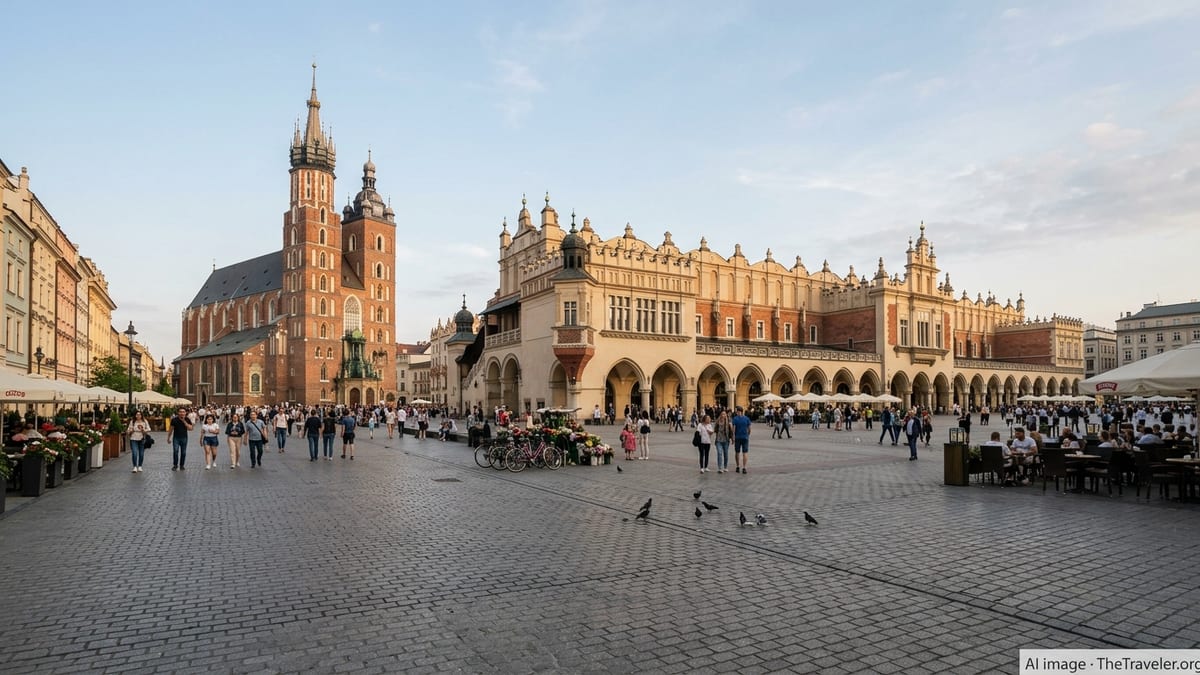
Record-Breaking Numbers Put Poland on the Global Tourism Map
Recent statistics from Poland’s national authorities and international tourism bodies indicate that 2025 was a milestone year for the country’s travel industry. Estimates presented in early 2026 show that around 58.9 million tourists used accommodation facilities in Poland in 2025, an increase of more than 11 percent compared with the previous year. Separate publicly available figures suggest that total foreign tourist numbers exceeded 21 million, confirming that international demand is now surpassing pre-pandemic levels.
Tourism’s economic footprint is expanding in parallel. According to published coverage citing research from the World Travel and Tourism Council, travel and tourism activity in Poland generated around 165 billion złoty in 2025, approaching 5 percent of national output. That represents a clear step up from 2024 and underscores how visitor spending is becoming a more important pillar of the country’s broader growth story.
Eurostat data for 2025 place Poland among the European Union’s top performers for growth in nights spent in tourist accommodation. Reports indicate that Poland recorded a 7 percent rise, the second-fastest in the bloc after Malta. Analysts point out that this performance is particularly notable because it comes on top of strong recovery figures in 2023 and 2024, suggesting that Poland is not just bouncing back but moving into a new phase of structural tourism expansion.
Behind the headline totals is a shift in visitor mix. Official and industry statistics highlight continuing strength from neighbouring markets such as Germany, Czechia and Slovakia, alongside a visible rise in arrivals from the Netherlands, the United Kingdom, the Middle East and East Asia. This diversification is helping to reduce reliance on any single source market and to sustain demand throughout the year.
Culture-Rich Cities Drive City-Break and Heritage Travel
Poland’s major cities are central to the surge in arrivals. Kraków, Warsaw, Gdańsk, Wrocław, Poznań and smaller centres like Lublin are leveraging their heritage architecture, museum networks and dining scenes to attract visitors looking for shorter city-break trips as well as longer cultural itineraries. Municipal tourism data for 2024 and 2025 show record or near-record volumes of hotel stays in many of these destinations.
In Kraków and Gdańsk, historic old towns, revitalised waterfronts and dense clusters of restaurants and cafes are drawing increasing numbers of weekend visitors from across Europe. Public information from Statistics Poland shows that tens of millions of overnight stays are now concentrated in regions that host these cities, with Małopolskie and Pomorskie among the clear beneficiaries. At the same time, Warsaw’s role as an air hub and cultural capital is broadening its appeal beyond business travel to leisure stays, supported by growing numbers of festivals, exhibitions and concerts.
Heritage and remembrance tourism remain strong drivers. Visitors are combining city stays with trips to World War II sites, Jewish heritage landmarks and former industrial complexes transformed into cultural districts. Tourism analysts say this layered cultural offer, combined with improved interpretive centres and multilingual signage, is helping Poland compete with more established Western European city destinations.
Smaller historic cities are also benefiting. Lublin, for example, reported a record 2.2 million visitors in 2025, including more than half a million from abroad, according to city statistics shared in local and international coverage. Travel specialists view such growth in lesser-known centres as evidence that Poland’s tourism boom is starting to radiate beyond a handful of flagship destinations.
Wild Nature, Cool Summers and the Rise of “Coolcation” Travel
Alongside its urban attractions, Poland is increasingly marketed as a nature destination, with forests, lakes, mountains and Baltic beaches all within relatively easy reach of major cities. Reports from national and regional tourism bodies show strong growth in visitor numbers to the Tatra Mountains, the Masurian Lake District and coastal resorts, as domestic travellers and foreign guests seek hiking, sailing and cycling opportunities.
One of the most significant trends is the rise of so-called “coolcation” travel. As summers in southern Europe bring more frequent heatwaves, published travel analysis indicates that a growing share of tourists are seeking milder climates in Central and Northern Europe. Poland, with its temperate summers and increasing number of direct air connections, is positioning itself as a natural alternative for travellers who still want outdoor activities and beach access without extreme temperatures.
The Baltic coast, including resorts near Gdańsk and the Hel Peninsula, is recording stronger summer occupancy, driven in part by families from Germany, Scandinavia and the United Kingdom. In the south, mountain hubs such as Zakopane continue to see rising international interest, including from the Middle East, where visitors value cooler temperatures, green landscapes and alpine-style accommodation paired with relatively low prices.
Niche segments such as agritourism and eco-lodges are gaining traction, supported by a broader European demand for rural escapes. Market research cited in hospitality industry reports notes substantial growth in farm-stay bookings since the pandemic, with Poland’s countryside regions capitalising on hiking trails, traditional cuisine and perceptions of safety and space.
Budget-Friendly Pricing Keeps Poland Competitive
Value for money is consistently highlighted by travel industry observers as one of Poland’s strongest selling points. Comparative price analyses across European destinations show that accommodation, dining and many cultural attractions in Poland remain significantly more affordable than in Western European capitals. This price advantage has become even more relevant as inflation and higher airfares have pushed up the cost of holidays worldwide.
Data compiled by think tanks and tourism researchers indicate that foreign visitors’ spending in Poland has risen, even when the number of visitors temporarily plateaued in 2024. Analysts interpret this as a sign that travellers feel comfortable staying longer or upgrading experiences while still perceiving the overall trip as budget-friendly. Retail spending in border regions, especially among visitors from Germany and Ukraine, further boosts tourism-related income.
Low-cost carriers and rail operators are reinforcing the value proposition. Expanded flight schedules to cities such as Warsaw, Kraków and Gdańsk, combined with improved rail connections within Poland, make multi-city itineraries feasible without large transport budgets. Industry sources note that the growth of short-break travel from neighbouring states is directly linked to these transport improvements, with weekend trips often priced below equivalent stays in Western Europe.
For younger travellers and students, Poland’s pricing allows participation in cultural and nightlife scenes that might be unaffordable elsewhere. Hostel and mid-range hotel rates, combined with free museum days and relatively inexpensive public transport, help to keep total trip costs to levels that compete strongly with more familiar city-break favourites.
Opportunities and Challenges in Sustaining the Boom
Despite the upbeat numbers, tourism experts warn that Poland’s fast growth brings new pressures. Industry reports describe staffing shortages in hospitality and seasonal services, particularly in resort areas and popular city districts. Businesses in hotels, restaurants and tour operations are reportedly finding it difficult to recruit enough skilled workers to match rising demand, which can affect service quality and capacity during peak periods.
Infrastructure is another focus. Analysts point to the need for ongoing investment in transport, from regional airports and rail lines to local public transit in tourist hotspots. Popular sites such as the Tatra trails, Baltic beaches and historic city centres are experiencing crowding at certain times of year, prompting discussions about better visitor management, ticketing systems and the promotion of lesser-known destinations.
At the national level, policymakers are using tourism as a tool to diversify the economy, but official data show that the sector still contributes a smaller share of GDP than in many Western and Southern European countries. This gap suggests scope for further growth, but also highlights the importance of balancing tourism with other priorities such as housing, heritage conservation and environmental protection.
For now, the combination of momentum in visitor numbers, favourable price levels and a broad mix of cultural and nature-based attractions positions Poland as one of Europe’s most dynamic emerging travel hotspots in 2026. Industry observers expect further gains if the country can continue upgrading infrastructure, broaden its marketing reach and manage growth in a way that protects the very qualities that are drawing visitors in such record numbers.