

More news on this day
Poland has urged its citizens to avoid all travel to Cuba, citing a rapidly deteriorating situation on the island as rolling nationwide blackouts, fuel shortages and widespread flight disruptions create mounting risks for foreign visitors.
Get the latest news straight to your inbox!
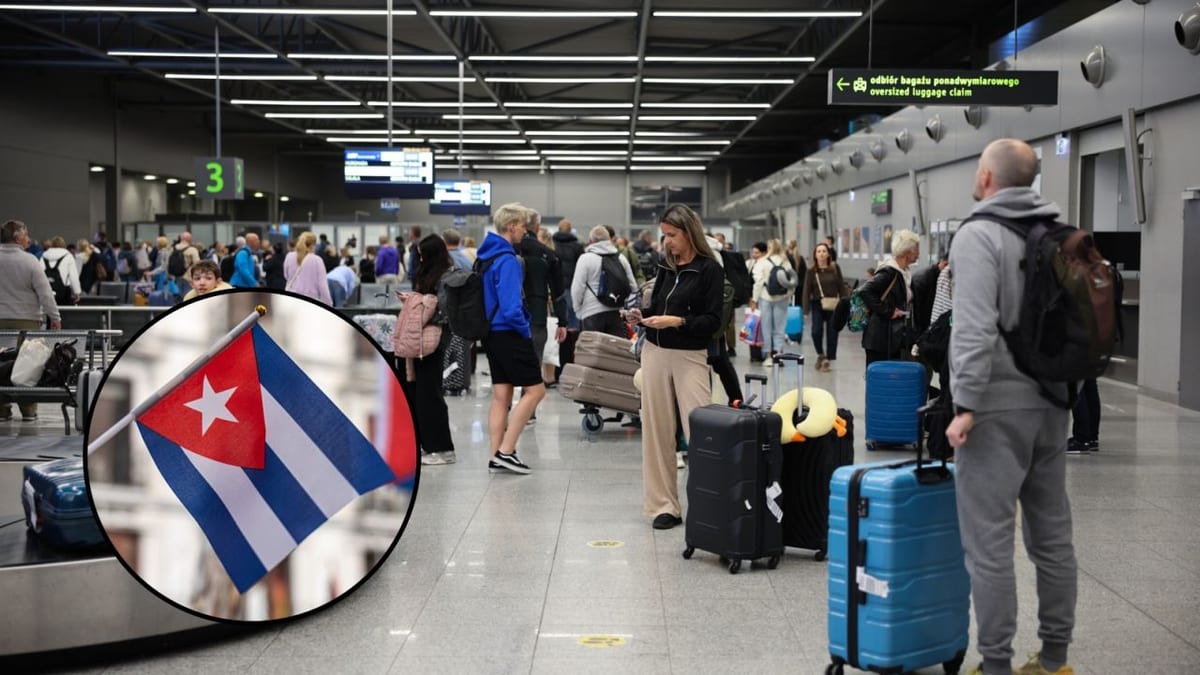
Image by TVP World
New Polish Advisory Targets All Travel to Cuba
The latest guidance from Warsaw represents one of the strongest travel messages Poland has issued toward a Caribbean destination in recent years. Publicly available information from the foreign ministry shows that Cuba has been moved into the highest-risk category, with officials advising against any trips, including tourism and non-essential visits.
The advisory follows weeks of heightened concern over conditions in Cuba, where visitors have reported difficulties securing flights, reliable electricity and basic services. Travel industry data indicate that Polish holidaymakers, who typically visit Cuba on winter-sun charter packages, now face a risk environment that is markedly different from previous seasons.
While the decision does not legally prevent Polish nationals from traveling, it signals that those who choose to go may have limited access to consular assistance and could struggle to leave quickly if conditions worsen. Insurance providers also frequently reference such advisories when assessing coverage, which may influence traveler decisions in the coming weeks.
The warning comes at a time when several other governments are reassessing their own travel advice for Cuba, reflecting a broader reevaluation of the island’s reliability as a tourism destination amid overlapping political and economic crises.
Blackouts, Fuel Shortages and Strained Infrastructure
Cuba has been grappling with repeated nationwide blackouts throughout March 2026, leaving nearly the entire island without electricity on multiple occasions. Reporting by international media describes “total disconnections” of the national grid, with power restored gradually over many hours or even days as authorities attempt to stabilize an aging system.
The power cuts have disrupted everything from traffic lights and water pumping to hospitals and hotels, directly affecting services on which tourists rely. In Havana and other major cities, images and accounts from recent days depict streets plunged into darkness, with residents and visitors navigating unlit neighborhoods and coping with prolonged outages.
At the same time, Cuba is facing an acute fuel shortage, attributed in part to external pressure on its oil supplies. Public statements from Cuban officials describe a prolonged absence of foreign oil deliveries, which has led to rationed fuel for vehicles and curtailed public transport. For travelers, that has translated into fewer taxis, delayed intercity buses and reduced capacity for airport transfers and excursions.
These infrastructure stresses have compounded existing challenges linked to the island’s economic crisis, including intermittent shortages of food, medicine and basic consumer goods. For short-term visitors, the combined effect is a far more unpredictable environment than that promoted in conventional tourist brochures.
Air Travel Disruptions Raise Repatriation Concerns
One of the key factors behind Poland’s decision is the growing uncertainty around air connectivity to and from Cuba. Aviation notices and airline statements in recent weeks have highlighted difficulties securing adequate jet fuel at Havana’s main international airport, forcing some carriers to adjust routes or reduce frequencies.
Online travel forums and industry reporting indicate that several international airlines have either suspended some services or planned contingency refuelling stops outside Cuba to comply with restrictions. The prospect of further disruption has raised questions about how easily foreign tourists could return home if conditions deteriorate suddenly.
For Polish travelers, who often reach Cuba via connections through major European hubs, reduced schedules can mean limited options if flights are cancelled at short notice. Publicly available information from consular services stresses that in crisis situations, commercial options are usually the primary means of departure, and travelers may be responsible for arranging and paying for alternative routes.
The combination of an unstable power grid, possible fuel-related constraints on aviation and the lack of guaranteed onward connections appears to have been central to Warsaw’s assessment that Cuba now presents an elevated risk profile compared with other long-haul holiday destinations.
Impact on Polish Tourists and Travel Companies
The advisory is expected to have an immediate impact on Poland’s outbound tourism market to Cuba, which has become a niche but popular winter destination for beach holidays and all-inclusive resort stays. Tour operators that specialize in Caribbean packages are likely to face cancellations and rebookings as customers seek destinations perceived as safer and more predictable.
Consumer guidance commonly available in Poland notes that when the government warns against all travel, package-holiday customers may have grounds to request date changes, refunds or alternative destinations, depending on contract terms. Individual travelers who booked flights and accommodation separately may face more complex negotiations with airlines and hotels.
For those already in Cuba, the advisory urges close monitoring of local conditions, careful conservation of cash and essential supplies, and preparation for potential disruptions to flights and key services. Travelers are also being reminded to keep travel documents readily accessible and to maintain regular contact with family or friends in Europe to update them on their status.
Polish travel businesses are meanwhile watching developments closely, as the situation in Cuba adds to a broader pattern of geopolitical and economic volatility affecting long-haul bookings. Operators may shift capacity toward other Caribbean or Latin American countries that can offer similar climate and resort experiences with fewer systemic risks.
Wider Regional and Global Travel Advisory Trend
Poland’s decision fits into a wider international trend of governments sharpening their travel guidance in response to rapidly evolving crises. Over the past year, several states have upgraded advisories for destinations affected by conflict, political unrest or critical infrastructure failures, signaling a more cautious approach to citizen safety abroad.
Cuba, long dependent on tourism revenue, now finds its image as a reliable sun-and-sea destination strained by power cuts, shortages and uncertainty over future fuel supplies. Analysts note that even short-lived crises can have lasting effects on traveler perceptions, particularly when images of darkened cities and stranded visitors circulate widely in international media.
For European travelers, the situation highlights the growing importance of checking official advisories shortly before departure, rather than relying solely on tour brochures or historical experience. Within this context, Poland’s call to avoid all travel to Cuba is likely to carry weight beyond its borders, informing the choices of tour operators and individual travelers across the region.
As the island works to stabilize its energy system and restore confidence in its transport and tourism infrastructure, the coming months will be crucial in determining whether Cuba can retain its status as a flagship Caribbean destination for European holidaymakers, including those from Poland.