

More news on this day
Poland has raised its travel advisory for Cuba to the highest warning level, urging citizens to avoid all travel to the Caribbean nation as fuel shortages, blackouts and airline disruptions intensify across the island.
Get the latest news straight to your inbox!
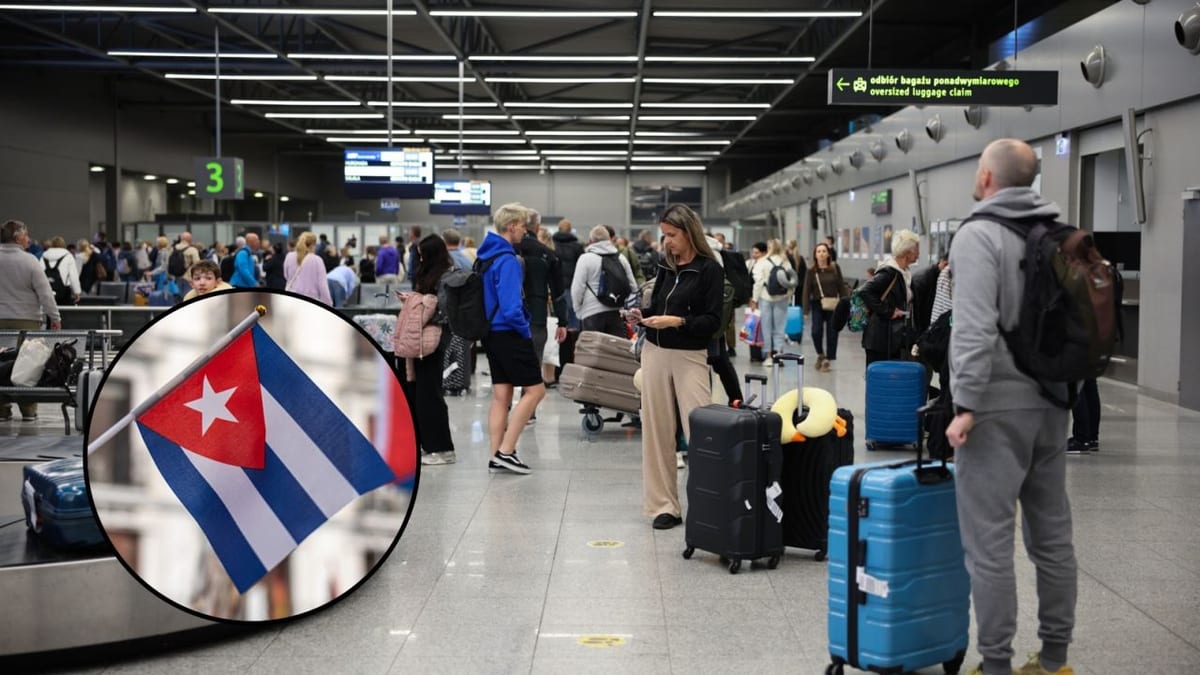
Image by tvpworld.com
Sharp Escalation in Poland’s Cuba Travel Warning
The updated guidance marks a significant escalation in Poland’s approach to Cuba, shifting from earlier cautionary language to a clear call for citizens to refrain from visiting the country. Publicly available information from Polish consular channels indicates that the advisory now classifies trips to Cuba as high risk, urging travelers to postpone any planned journeys.
Poland’s warning aligns with a broader pattern of tightening travel advice on Cuba from a number of governments in recent months. Media coverage has highlighted a rapid deterioration in basic services, with growing concerns that visitors may find it difficult to secure reliable transportation, accommodation and even essential goods during their stay.
By elevating its guidance to an “avoid all travel” message, Poland signals that conditions on the ground are no longer considered manageable through standard precautions. The shift also reflects rising anxiety over the country’s ability to assist citizens in the event of a major disruption affecting flights or on-island services.
Travel industry observers note that such high-level advisories often trigger cascading consequences, from reduced airline capacity to changes in insurance coverage for organized tours, further constraining options for would-be visitors.
Fuel Shortages, Blackouts and Strained Infrastructure
Reports from international media and regional observers describe Cuba as facing a prolonged energy emergency, with recurring electricity blackouts and chronic fuel shortages affecting key sectors, including aviation and tourism. Notices circulated to airlines earlier this year warned that jet fuel supplies at the main Havana airport could not be guaranteed for extended periods, raising the risk of last-minute schedule changes and diversions.
Beyond the aviation sector, the shortages have rippled through everyday life, restricting public transport, complicating food distribution and limiting the operation of hotels and restaurants. Coverage from regional outlets points to widespread power cuts across multiple provinces, leaving both residents and visitors subject to unpredictable outages.
These structural strains directly inform the risk calculus for foreign travelers. A lack of fuel can disrupt airport operations, ground domestic flights and reduce the availability of taxis and intercity buses. Repeated blackouts can interrupt digital payment systems, air conditioning, refrigeration and communication services, all of which are critical to a dependable tourism experience.
For a country like Poland, whose citizens frequently rely on charter packages and tightly timed itineraries, such instability heightens the possibility of travelers becoming stranded or facing significantly altered trips with limited recourse.
International Travel Advisories Converge on Caution
Poland’s move comes amid a noticeable hardening of travel advisories on Cuba by other nations. Canadian government alerts have in recent weeks urged citizens to avoid non-essential travel to the island, citing the combined effect of fuel scarcity, service disruptions and infrastructure challenges. Reports indicate that several Canadian airlines have temporarily suspended or reduced flights as a result.
Online travel advisories and consular updates from various European sources have also flagged Cuba’s economic distress and logistical bottlenecks, often warning that local conditions can change at short notice. Some advisories underscore the difficulty of obtaining medical care, cash and basic commodities in certain regions, especially outside major tourist enclaves.
These converging assessments suggest that the pressures on Cuba’s tourism infrastructure are no longer viewed as localized or transient. Instead, foreign ministries and travel risk analysts describe a systemic fragility that can rapidly affect foreign visitors, particularly when large tour groups or seasonal demand exceed the country’s reduced capacity.
In this context, Poland’s decision to urge citizens to stay away reinforces a growing international narrative: that travel to Cuba, at least for now, carries a level of uncertainty and disruption that many governments consider unacceptable for leisure trips.
Impact on Polish Tourists and the Travel Industry
The advisory shift is expected to have an immediate effect on Polish travelers who had planned winter and spring vacations in Cuba, a destination long promoted for its beaches, heritage cities and relatively affordable package deals. Tour operators serving the Polish market will now face mounting pressure to reroute clients, offer alternative destinations or provide refunds, depending on contract terms and local consumer protections.
Insurers often treat top-tier government travel warnings as a trigger for policy exclusions or special conditions. Industry specialists note that travelers who decide to proceed against official guidance may find their coverage restricted for disruption, evacuation or medical claims related to the situation described in the advisory.
Airlines linking Poland and other European hubs to Cuban airports could also experience reduced demand, accelerating a trend of capacity cuts already observed in certain source markets. As seats become harder to fill and operational risks rise, carriers may consolidate routes, redeploy aircraft to more stable destinations or temporarily suspend Cuba services.
For the broader travel ecosystem in Poland, from outbound tour agencies to smaller retail travel shops, the reassessment of Cuba adds another layer of complexity in a season already shaped by geopolitical tensions and shifting global demand patterns.
What Travelers Should Consider Before Booking Cuba
Prospective visitors from Poland and elsewhere now face a more complicated decision matrix when weighing trips to Cuba. Public guidance from multiple governments stresses the need to closely monitor official advisories, check airline schedules frequently and review the fine print of travel insurance policies before making non-refundable commitments.
Travel risk experts generally recommend that travelers bound for higher-risk destinations maintain flexible itineraries, carry additional funds, and be prepared for sudden changes to transportation and accommodation plans. In Cuba’s current context, where fuel, electricity and goods availability can all fluctuate, such precautions are particularly pertinent.
Some analysts suggest that travelers who still choose to visit should pay special attention to the location and reliability of their accommodation, the availability of medical facilities nearby and the potential difficulties of arranging an early return should conditions worsen. They also note that access to up-to-date local information can be critical in an environment where official announcements and practical realities sometimes diverge.
With Poland now urging its citizens to avoid all travel to Cuba, the balance of advice tilts clearly toward postponement. For many would-be visitors, the most practical course for the coming months may be to explore alternative destinations while monitoring developments on the island and waiting for signs that essential services and infrastructure have stabilized.