

More news on this day
Polar Latitudes Expeditions is moving into the growing fly-cruise market to Antarctica, introducing programs that use charter flights over the Drake Passage to connect travelers more quickly with expedition ships waiting near the Antarctic Peninsula.
Get the latest news straight to your inbox!
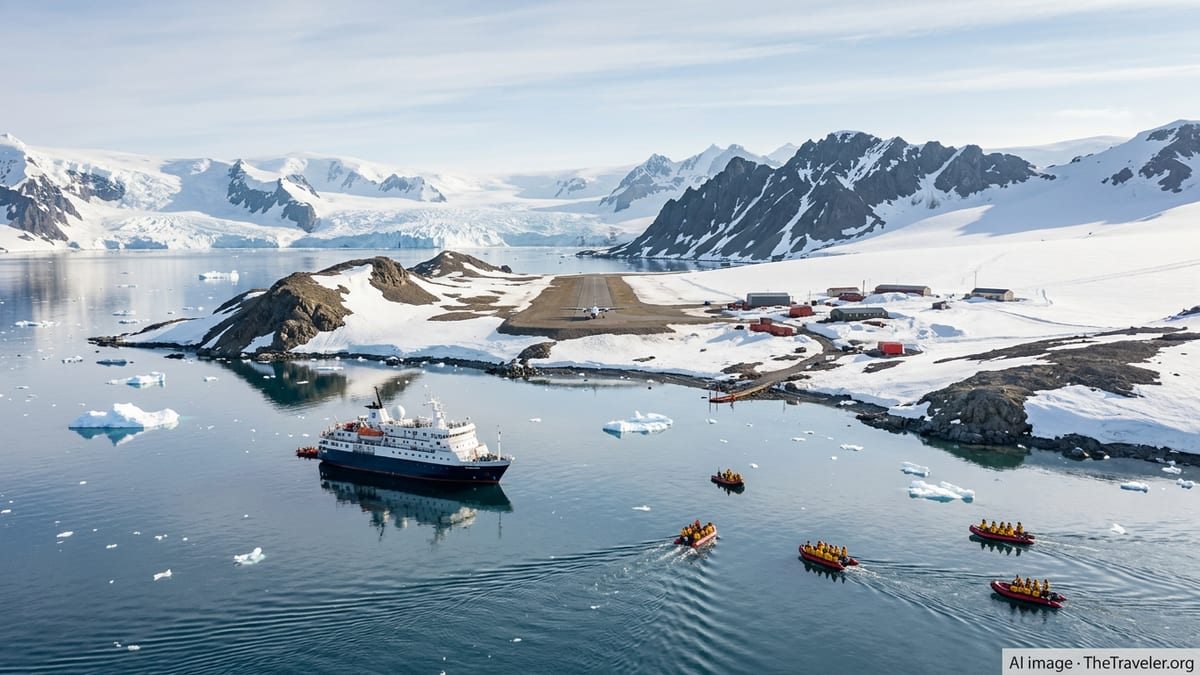
A New Player in the Antarctica Fly-Cruise Boom
The move by Polar Latitudes into fly-cruise itineraries comes as the company transitions into Polar Latitudes Expeditions following a merger with Albatros Expeditions. Publicly available information shows that the combined operator is expanding its Antarctic program for the 2025 to 2027 seasons, including new ways to reach the White Continent that avoid days at sea in heavy swells.
Fly-cruise itineraries use charter aircraft to bridge the gap between South America and King George Island in the South Shetland Islands. Instead of spending roughly two days in each direction crossing the Drake Passage, guests board a short flight and embark directly onto an expedition vessel already positioned in Antarctic waters. Polar Latitudes is now aligning its product with these faster access models that have been gaining traction across the industry.
Documents describing Polar Latitudes itineraries outline programs branded around flying the Drake Passage, combining hotel nights and charter flights with several days of ship-based exploration along the Antarctic Peninsula. The concept is aimed at travelers with limited vacation time or a low tolerance for open ocean crossings, but who still want the hallmark experiences of an Antarctic expedition such as Zodiac landings, wildlife encounters, and ice-filled seascapes.
How the Fly-Cruise Model Works
In a typical fly-cruise sequence, guests gather in a gateway city in southern Chile, usually Punta Arenas, for pre-departure briefings and an overnight stay. When weather windows permit, a charter flight of roughly two hours carries passengers over the Drake Passage directly to King George Island. From there, travelers transfer by vehicle and Zodiac to their waiting expedition ship, already provisioned and crewed for polar operations.
Once underway, the voyage follows a condensed itinerary along the Antarctic Peninsula and nearby islands. Recently published Polar Latitudes material describes seven day programs that include scenic cruising, shore landings at penguin colonies, visits to research station areas when conditions allow, and Zodiac excursions between icebergs and glacier fronts. The schedule is intentionally flexible, allowing the expedition team to adjust for wildlife sightings, sea ice, and weather changes.
At the end of the sailing period, guests disembark once more at King George Island and board the return charter flight to Punta Arenas, often followed by a final included hotel night. This structure is designed to maximize time in Antarctica while limiting total trip length to around a week to ten days from arrival in Chile, depending on the exact itinerary and any weather-related adjustments.
Shorter Travel Time, Higher Costs, Different Risks
For many travelers, the primary appeal of fly-cruise programs is avoiding the infamous Drake Passage crossing. Traditional voyages from Ushuaia typically spend four days or more roundtrip negotiating the open ocean between South America and Antarctica. By flying over that stretch, Polar Latitudes customers can spend more of their holiday within the ice and less of it in heavy seas.
The trade-off is cost and operational complexity. Industry rate sheets for comparable air-cruise products across operators indicate that fly-cruise departures are priced at a premium relative to classic sea voyages of similar length. Charter aircraft, additional hotel overnights, and the logistical demands of operating from King George Island all contribute to higher fares.
Weather introduces a different kind of uncertainty. While conventional cruises must contend with rough seas, fly-cruise operations depend on suitable conditions for flights to land on the gravel runway at King George Island. Reports from past seasons across multiple operators show that delays of several hours or days are not uncommon when visibility or crosswinds fall outside operational limits. Travelers considering Polar Latitudes fly-cruise options are likely to be advised to build flexibility into their schedules and secure robust travel insurance in case of disrupted flights.
New Ships and Itineraries Expand Capacity
The expansion into fly-cruise is part of a broader buildup of Polar Latitudes capacity in Antarctica. Recent trade coverage notes that the company is introducing the expedition vessel Discoverer, a rebranded ship with a history in polar waters, to replace Seaventure for the 2026 to 2027 Antarctic season. The newer ship is positioned as an upgrade in comfort and capabilities, enabling a wider range of itineraries.
Earlier announcements detailed plans for Polar Latitudes Expeditions to draw on the combined fleets of Polar Latitudes and Albatros Expeditions, including vessels such as Ocean Victory and Ocean Albatros on selected programs. This fleet depth gives the brand flexibility to schedule both traditional sailings from Ushuaia and air-supported departures that utilize charter flights to Antarctica.
Alongside hardware changes, the company is highlighting a focus on citizen science, interpretive programs, and small-ship operations. Promotional materials emphasize hands-on participation in simple research projects, photography workshops, and educational lectures, aligning the new fly-cruise offerings with the immersive expedition style for which Polar Latitudes has been known in past seasons.
What Prospective Travelers Should Consider
The arrival of Polar Latitudes fly-cruise options increases choices in a market where several operators already offer air links to Antarctica. For guests weighing whether to book, there are several practical factors to assess beyond headline price, including season timing, cabin categories, and the balance between comfort and a sense of adventure.
Fly-cruise departures are typically clustered during the core summer months of December through February, when daylight is longest and conditions are more favorable for both flying and landings. Travelers interested in particular wildlife events, such as penguin chick rearing later in the season or higher chances of whale sightings, will want to match departure dates carefully with those natural cycles.
Prospective guests are also encouraged by travel advisors and specialist agencies to scrutinize booking terms and contingency plans. For fly-cruise programs, these often include specific policies for weather delays, rerouting to a full sea crossing if flights are not possible, and the financial implications of shortened or extended trips. Reviewing these details for Polar Latitudes Expeditions programs can help set realistic expectations and reduce stress if conditions change.
Finally, the expansion of fly-cruise access underscores a broader conversation about responsible tourism in Antarctica. Industry observers note that while air-supported itineraries limit time spent burning fuel in open ocean transits, they also increase the number of people who can feasibly visit within a short holiday window. Travelers selecting a Polar Latitudes fly-cruise may wish to look closely at environmental commitments, passenger caps, and shore-landing management practices to align their trip with evolving standards for low-impact polar travel.