

More news on this day
A fresh round of travel guidance has put one of Mexico’s busiest beach regions back under the spotlight, as updated advisories warn visitors to Quintana Roo about crime patterns, transport safety issues, and health risks that coexist with record-breaking tourism numbers.
Get the latest news straight to your inbox!
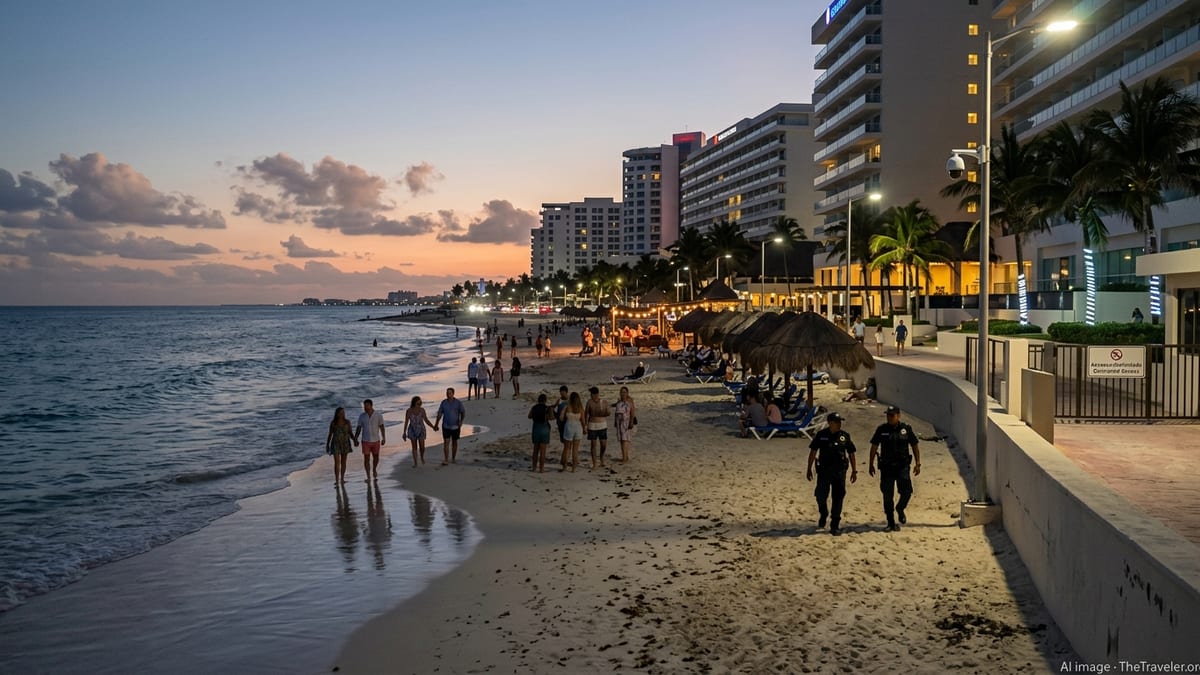
What Changed in the Latest Advisory
Recent updates to government travel guidance have kept Quintana Roo, home to Cancun, Tulum, Playa del Carmen, Cozumel and Isla Mujeres, at a Level 2 advisory, meaning travelers are urged to exercise increased caution due to crime and safety concerns. Publicly available information shows that major resort corridors remain open and busy, but that visitors are being urged to stay alert, especially at night and away from controlled hotel areas.
Coverage of the latest advisory language indicates that the risk profile is driven less by incidents inside large, gated resorts and more by criminal activity in surrounding communities, as well as on roads linking airports, hotels and nightlife districts. The advisory framework also reflects broader regional instability in Mexico, where cartel violence and targeted attacks have periodically disrupted transportation and local services in several states.
Analysts who track advisory changes note that the Level 2 status places Quintana Roo in the same overall risk band as destinations such as France or Italy, but with different underlying concerns. In this case, attention is focused on opportunistic crime, the potential for isolated but serious violent incidents, and the uneven capacity of local services should an emergency occur far from major population centers.
Crime Concerns Behind the Caution
Reports from recent seasons point to a mix of petty and serious crime affecting visitors in Quintana Roo. Street-level incidents such as pickpocketing, bag snatching and theft of unattended belongings remain common in nightlife zones, beach clubs and transportation hubs, particularly late at night. Travelers are also occasionally targeted in scams involving unregistered taxis, overcharging, or unauthorized tour operators.
More serious security concerns relate to clashes between criminal groups that sometimes erupt near tourist areas. While these disputes are typically not aimed at foreign visitors, crossfire incidents and stray bullets have been documented in and around entertainment districts in past years. In response, local authorities have expanded surveillance networks and visible policing in the hotel zone, including camera systems and rapid-response patrols in popular corridors.
Current travel guidance also flags risks on highways and secondary roads, where carjackings and armed robberies have occurred in parts of Mexico. Although the main routes between Cancun International Airport and major resorts are heavily traveled and generally considered safer than more remote stretches, travelers are advised in public materials to use reputable transportation arranged through hotels or established providers and to avoid driving long distances at night.
Health and Safety Risks Beyond Crime
Alongside crime, health considerations play a growing role in how advisories are framed for this part of Mexico. Tropical conditions mean that mosquito-borne illnesses such as dengue remain a recurring concern, particularly in and after the rainy season. Public health agencies recommend standard precautions including insect repellent, appropriate clothing and, where possible, screened or air-conditioned accommodations.
Food and water safety also features in guidance aimed at travelers to Quintana Roo. While large resorts and established restaurants typically adhere to higher hygiene standards, cases of stomach illness linked to contaminated water or improperly stored food continue to be reported each season. Visitors are frequently advised to drink bottled or purified water, be cautious with ice from informal vendors and pay attention to how and where street food is prepared.
Another focus is the capacity of local medical care. Cancun and Playa del Carmen host private clinics and hospitals that cater to international patients, but smaller coastal communities and islands may have limited emergency resources. Travel health specialists often urge visitors to carry documentation of medical conditions, check that their insurance covers treatment abroad, and consider supplemental coverage for medical evacuation in case of serious illness or injury.
How the Advisory Affects Travelers on the Ground
The updated messaging has not halted travel to Quintana Roo, which continues to record high hotel occupancy and strong air traffic. Instead, the advisory is reshaping how visitors plan their itineraries, with more travelers paying attention to neighborhood-level guidance and timing of activities. Travel industry reporting suggests that travelers increasingly prioritize staying in well-reviewed accommodations, arranging airport transfers in advance, and limiting late-night movements outside established tourist zones.
Tour operators and hotel groups have responded by highlighting their own security and health protocols, from controlled access points and surveillance cameras to on-site medical staff or partnerships with nearby clinics. Some properties promote dedicated security teams and direct channels for guests to report safety concerns, while excursion providers emphasize licensing, insurance coverage and adherence to safety standards for water sports and adventure outings.
At the same time, consumer behavior appears to be shifting toward flexible booking policies and comprehensive travel insurance that includes coverage for trip interruptions, medical emergencies and, in some cases, security-related evacuations. Insurance industry commentary notes that spikes in advisory levels can prompt travelers to review fine print carefully, as coverage terms may differ depending on when a policy was purchased and how a destination is classified at the time of travel.
Practical Steps for Visitors Considering a Trip
For travelers weighing a visit to Quintana Roo in light of the latest advisory, experts in risk assessment emphasize preparation rather than panic. Guidance commonly includes researching current conditions in specific resort areas, monitoring government advisories in the weeks before departure, and enrolling in alert systems that can provide updates while abroad.
On the ground, widely recommended habits include using hotel safes for passports and valuables, limiting the visible display of expensive jewelry or electronics, and relying on authorized taxis or app-based services where available. Visitors are also encouraged to stay within well-lit, populated areas at night, travel in groups when possible, and keep family or friends informed about daily plans and contact details.
From a health perspective, advance planning might involve consulting a travel health professional, ensuring routine vaccinations are up to date, packing basic medications and first-aid supplies, and reviewing any specific advisories related to mosquito-borne diseases or seasonal outbreaks. Paying attention to sun exposure, hydration and alcohol consumption is also highlighted in many public resources, given the combination of high temperatures and resort nightlife.
Ultimately, the updated advisory underscores that Quintana Roo remains a major international destination, but one where travelers are expected to take a more active role in managing their own risk. By combining awareness of local conditions with practical safety and health measures, many visitors continue to enjoy the region’s beaches and cultural attractions while staying alert to the evolving landscape of crime and health concerns.