

More news on this day
Port of Auckland has unveiled a new international cruise terminal at its Bledisloe precinct, creating a purpose built gateway for larger vessels and reinforcing the city’s position as a key hub for South Pacific itineraries.
Get the latest news straight to your inbox!
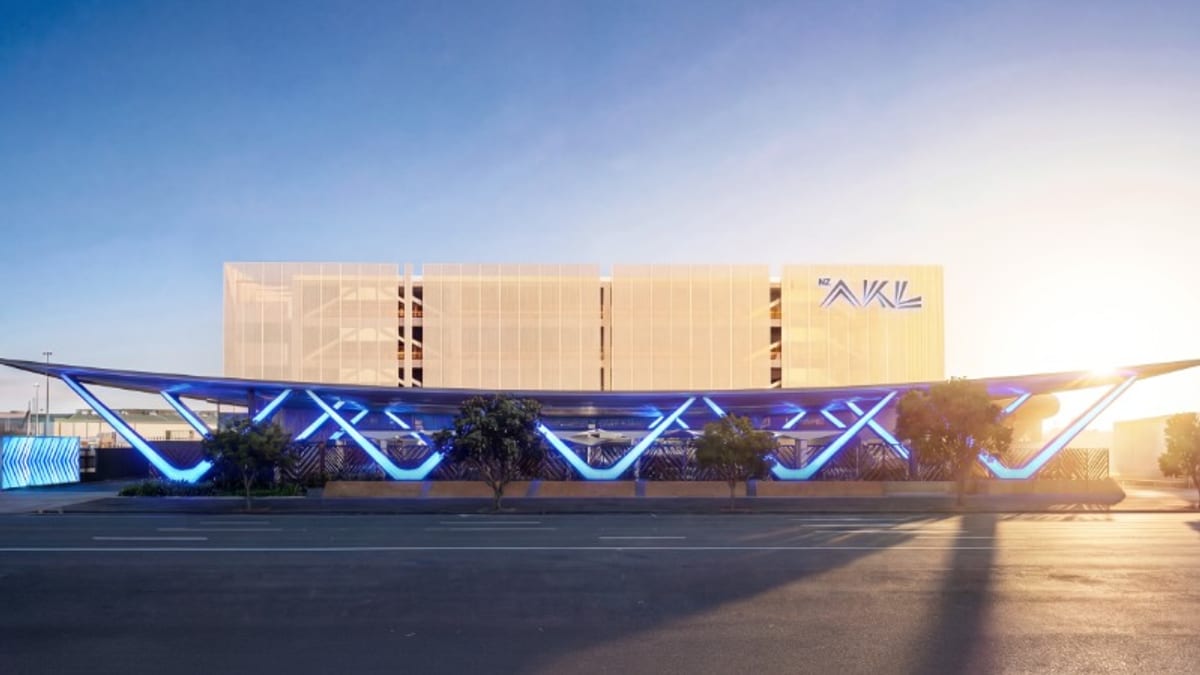
Image by Cruise Industry News | Cruise News
A Purpose Built Terminal Anchors a New Cruise Era
The new facility is part of a wider infrastructure program at Bledisloe North Wharf and Fergusson North Berth that has been progressing since 2025, with public information describing a nearly 200 million New Zealand dollar package of works designed to support both cargo and cruise operations. Reports indicate that a central feature of this program is a cruise passenger terminal integrated into the ground floor of the existing vehicle handling building within the Bledisloe terminal area, adapted to handle large ship turnarounds and day calls.
According to published coverage of the project and publicly available planning documents, the terminal has been configured to accommodate cruise ships of up to around 350 metres in length, aligning Auckland with the new generation of large international vessels that already frequent other major ports in the region. The development is described as adding capacity to the city’s cruise network rather than replacing existing berths outright, giving operators more flexibility when scheduling visits during peak season.
Public information shows that the terminal’s opening has been timed to coincide with the ramp up to the 2026 and 2027 cruise seasons, when Auckland is expected to welcome growing numbers of international visitors as long haul travel to the South Pacific continues to recover. Industry commentary characterises the Bledisloe project as a strategic shift from ad hoc use of central city wharves toward a more dedicated cruise platform with modern processing facilities.
From Temporary Wharves to a Dedicated Cruise Hub
For several seasons, Auckland has relied on Queens Wharf and Princes Wharf as temporary cruise terminals, using Shed 10 and The Cloud to process passengers during the October to April peak. Port schedules and council framework documents note that this arrangement has allowed the city to receive more than one hundred ship calls a season but has also created congestion on the central waterfront, where ferry services, events and public spaces compete for limited wharf capacity.
Planning material for the central wharves precinct outlines a longer term intention to relocate most cruise operations away from Queens Wharf, enabling more of that space to function as a public waterfront and as a hub for low emission ferry services. The emergence of a dedicated cruise facility at Bledisloe is presented in these documents as a key step in separating cruise and commuter traffic, reducing operational conflicts in the busy downtown basin.
Published reports on the port upgrade indicate that the new terminal will effectively give Auckland three cruise capable berths when combined with existing facilities, enhancing the port’s ability to handle simultaneous calls by large ships. This multi berth configuration is viewed within the cruise sector as critical for capturing high value itineraries that link Auckland with Australia, the wider Pacific and round the world voyages.
Passenger Experience and Border Processing Upgrades
Publicly available information about the terminal’s design highlights a focus on smoother embarkation and disembarkation, addressing long standing concerns among cruise lines and passengers about congestion and queuing on busy days. Repurposing the ground floor of the vehicle handling building has allowed planners to create high ceiling processing halls, covered luggage zones and separated flows for arriving and departing guests within an existing port footprint.
Reports indicate that the facility incorporates dedicated security and biosecurity screening areas, along with improved access for border and customs processing. While detailed internal layouts are not publicly itemised, industry commentary suggests that the terminal has been configured to meet current international cruise standards, with provision for scalable check in counters and staging areas that can be adjusted based on vessel size and itinerary.
Transport planning documents for the wider waterfront precinct reference ongoing work to integrate cruise operations more closely with the city’s public transport network, including rail connections into the central business district and bus links serving key visitor areas. These documents describe the Bledisloe terminal as part of a broader shift toward encouraging cruise passengers to move into the city centre and wider region using public and shared transport options rather than relying solely on private vehicles.
Economic and Tourism Impact for Auckland and New Zealand
Economic assessments released as part of the approval process for the Auckland port upgrade have projected multi billion dollar benefits over several decades, reflecting both freight efficiencies and increased visitor spending. Within those figures, the new cruise terminal is presented as a contributor to higher passenger throughput, improved turnaround capacity and greater certainty for cruise lines planning future deployments in New Zealand waters.
Pre pandemic seasons already saw Auckland receive well over one hundred ship calls and hundreds of thousands of passengers, and more recent port schedules show a steady recovery toward and beyond those levels for the mid 2020s. With a larger and more specialised terminal, observers expect the city to attract a broader mix of vessels, including larger new builds that previously faced constraints related to berth length, draft and passenger handling capacity.
Tourism commentators in domestic media have suggested that the upgraded cruise infrastructure will strengthen Auckland’s role as both a turn around port for itineraries that start and finish in the city and as a marquee port of call on longer regional voyages. The presence of a dedicated international terminal is also seen as supporting the growth of pre and post cruise stays, as visitors build extra nights in Auckland and nearby regions into their travel plans.
Balancing Waterfront Development, Environment and Community
The decision to expand cruise facilities at Bledisloe has been accompanied by scrutiny of environmental and community impacts, particularly around noise, air quality and harbour water health. Public meeting minutes and conference presentations from the port describe investment in shore infrastructure and operational changes intended to reduce emissions and manage underwater hull cleaning activities within strict environmental parameters.
At the same time, planning frameworks for the central waterfront stress that moving most cruise activity away from Queens Wharf over time should open more of the downtown shoreline for public space and urban amenity, aligning with long running calls for a more accessible harbour edge. By consolidating heavy cruise operations within a purpose designed precinct, decision makers aim to lessen the day to day impact of ship calls on central city streets, public transport hubs and event venues.
Consultation material released by local authorities notes that further stages of the port precinct masterplanning process are still to come, including more detailed work on how cruise operations at Bledisloe will interface with future changes to neighbouring wharves. As the new international cruise terminal begins its first full seasons of operation, its performance will form a key test of Auckland’s strategy to reconcile a working port, a growing tourism sector and increasing public expectations for an attractive, people focused waterfront.